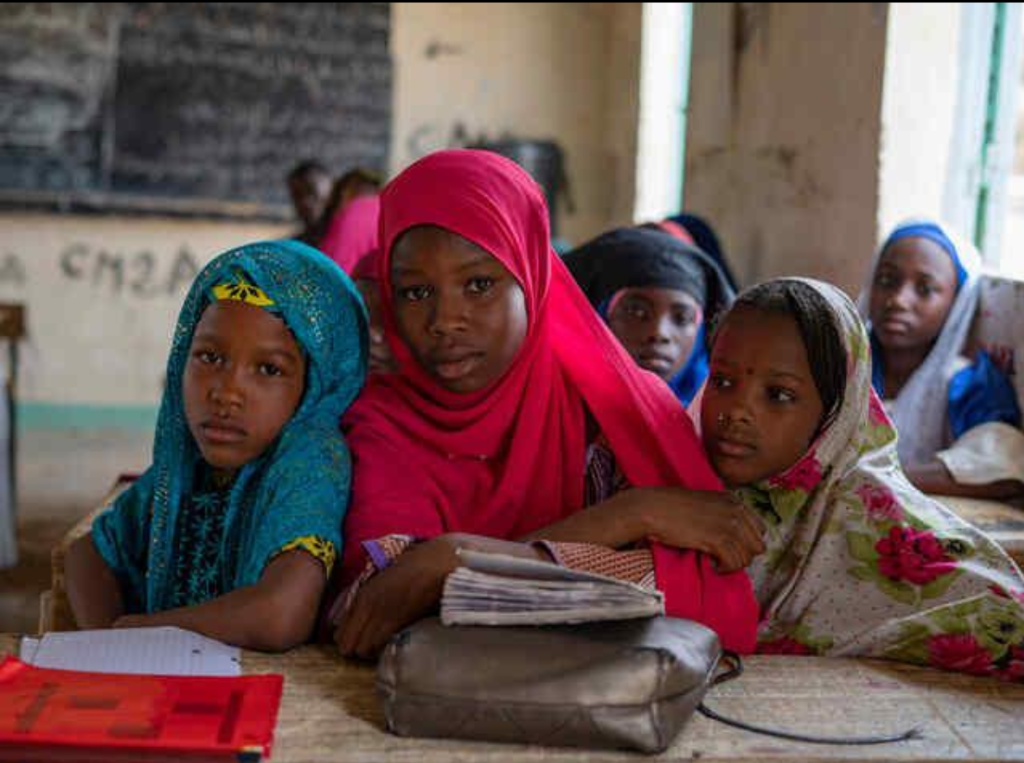
The Republic of Benin has taken a landmark step in its commitment to gender equality and social inclusion. Following a cabinet meeting held on June 3, 2026, the government formally approved the complete elimination of secondary school tuition fees for all female students in public general, technical, and vocational education. This sweeping reform will take effect at the commencement of the 2026-2027 academic year.
a bold policy to dismantle financial barriers
This nationwide initiative serves as the culmination of a pilot phase and aligns with President Patrice Talon’s long-term vision to modernize the education system while addressing persistent gender disparities. Previous measures, such as partial fee exemptions in select rural areas or for the first cycle of secondary education, had demonstrated the need for a more comprehensive solution.
Evidence from across Benin—whether in bustling urban centers or remote villages—confirms that economic hardship continues to force families into difficult choices, often depriving girls of their right to education. By removing tuition costs entirely, the government seeks not only to reduce financial burdens on households but also to combat deeply rooted socio-economic challenges, including early marriages, adolescent pregnancies, and the economic exploitation of minors.
empowering girls through technical and vocational pathways
One of the most transformative aspects of this reform is its inclusion of technical and vocational training programs (ETFP). As Benin pursues an ambitious economic restructuring—evident in initiatives like the Glo-Djigbé industrial zone and digital development—demand for skilled labor has surged. By making these programs tuition-free for girls, the government addresses two critical objectives:
- Challenging outdated norms: Encouraging young women to pursue careers in traditionally male-dominated fields such as industry, technology, and craftsmanship.
- Enhancing employability: Equipping graduates with the skills needed for rapid and sustainable integration into the labor market.
overcoming logistical hurdles for a seamless transition
While the announcement has been met with widespread optimism among parents and civil society groups, its implementation demands meticulous planning from key ministries, including Secondary Education and Finance.
Critical priorities for the 2026-2027 school year include:
- Financial compensation: Ensuring timely transfers of government subsidies to schools to offset lost tuition revenue.
- Expanded infrastructure: Preparing classrooms to accommodate a significant influx of female students without compromising educational quality.
- Teacher recruitment: Hiring and deploying qualified educators to maintain high teaching standards.
aligning with global development goals
By prioritizing female education, Benin reaffirms its dedication to the United Nations Sustainable Development Goals (SDGs), particularly Quality Education (SDG 4) and Gender Equality (SDG 5). The upcoming academic year is poised to mark a societal turning point for the nation’s youth, fostering a more equitable and prosperous future for all citizens.