The unprecedented trial of General Christian Tshiwewe Songesa: a historic moment for the Democratic Republic of Congo
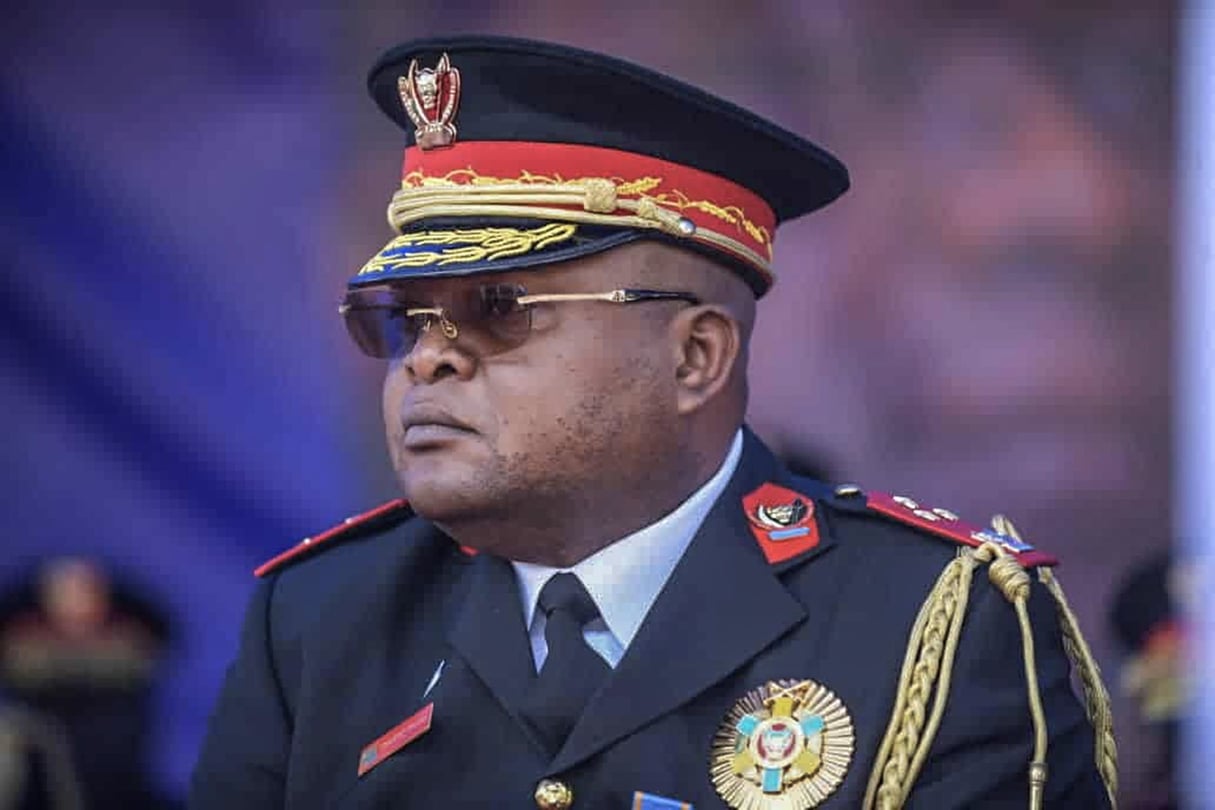
The Democratic Republic of Congo is witnessing a judicial event of exceptional magnitude with the trial of General Christian Tshiwewe Songesa, former Chief of General Staff of the Armed Forces of the Democratic Republic of Congo (FARDC). This proceeding, unprecedented in its scope, marks a turning point in the nation’s post-conflict governance and military accountability.
A trial that challenges the status quo
This landmark case has drawn national and international attention, as it brings to light critical questions about military ethics, political influence within the armed forces, and the rule of law in a fragile state. The proceedings are unfolding under intense scrutiny, with legal experts and citizens alike closely monitoring each development.
Key allegations and their implications
The charges against General Songesa revolve around allegations of abuse of power, military misconduct, and undermining state security. While the specifics remain under judicial review, the case has already sparked debates about the boundaries of military authority in a democratic framework. Legal analysts suggest that the outcome could set a precedent for how future cases involving high-ranking military officials are handled.
The broader context: military accountability in the DRC
The trial occurs against a backdrop of ongoing efforts to professionalize the FARDC and strengthen democratic institutions in the DRC. The case highlights the delicate balance between maintaining military discipline and ensuring civilian oversight—a challenge faced by many post-conflict nations. Observers note that this trial could serve as a litmus test for the judiciary’s independence and the government’s commitment to transparency.
Public and political reactions
Public sentiment is divided. Some view the trial as a necessary step toward justice and accountability, while others express concerns about potential political motivations behind the proceedings. Political analysts point out that the case has further polarized opinions, with some factions accusing the government of weaponizing the judiciary for strategic ends.
What’s next: legal and societal impact
As the trial progresses, its outcome will likely reverberate across the political and military landscape. A conviction could reinforce the principle of accountability, while an acquittal might fuel perceptions of impunity. Regardless of the verdict, the case has already left an indelible mark on the nation’s discourse, prompting discussions about the future of military governance and the role of the judiciary in shaping the DRC’s democratic trajectory.