In a poignant national tribute to former President Abdoulaye Wade on June 4, Senegalese leader Bassirou Diomaye Faye delivered remarks that resonated deeply across the political spectrum. The ceremony marked Wade’s centennial birthday, but the president’s words carried a more urgent message about the nation’s current challenges.
Addressing the gathering at Dakar’s Grand Théâtre, Faye emphasized the fragility of Senegal’s democratic institutions, stating that democracy is not a prize to be seized and hoarded, but a flame passed from hand to hand that must never be extinguished.

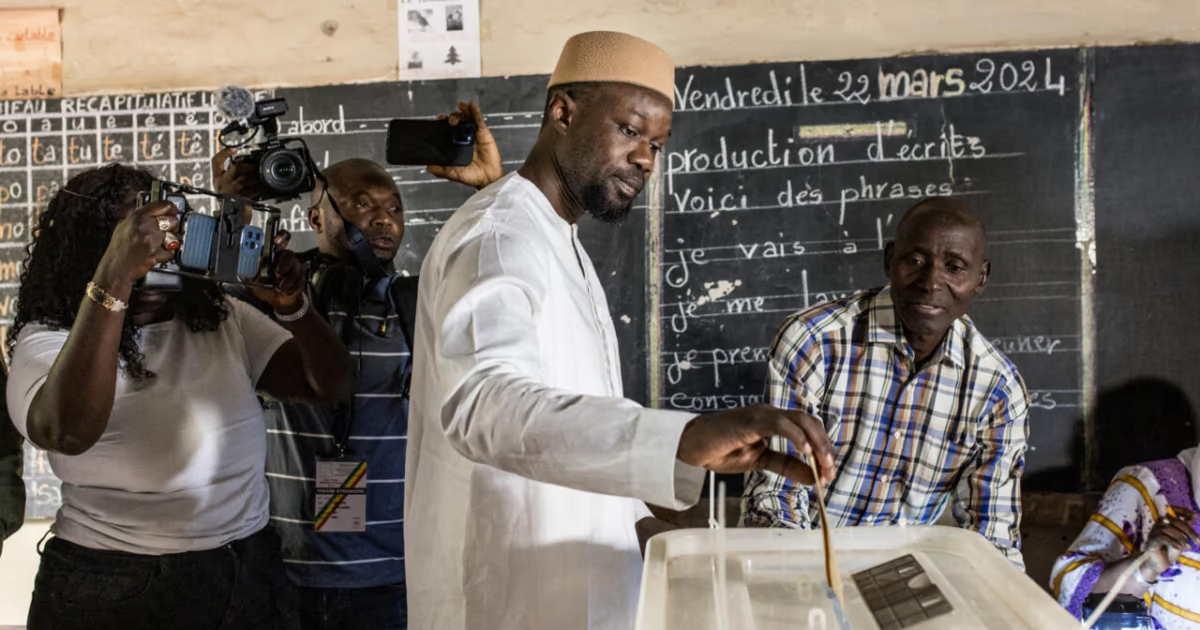
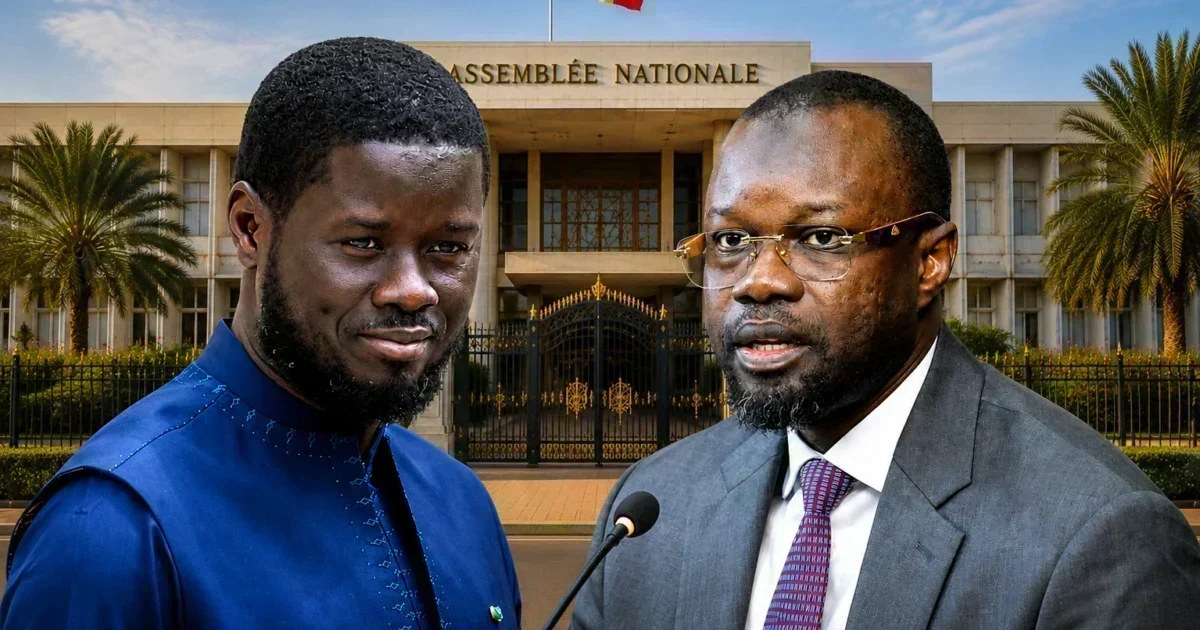
His comments came at a pivotal moment, as tensions between Faye and former ally Ousmane Sonko—now President of the National Assembly—have escalated into open confrontation. Faye removed Sonko from his post as Prime Minister on May 22, following months of escalating disagreements between the two once-united political figures.
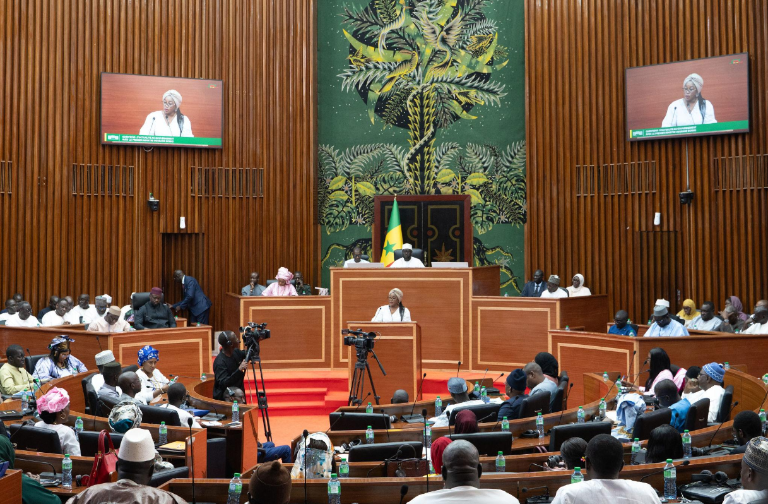
Sonko, whose party holds a majority in the legislature, pushed back in a press conference two days later. He described the current political climate as a cohabitation, urging Faye to step down from his pedestal and engage in dialogue. “He does not hold all the power,” Sonko stated. “We must talk.”
A call for unity in times of division
During the tribute, Faye invoked the legacy of Abdoulaye Wade, who led Senegal from 2000 to 2012. He recalled Wade’s teachings: “A dispute, no matter how intense, must never tear apart the nation we share.” Faye also highlighted Wade’s belief that “serving the youth is far more valuable than exploiting them.”
The president received enthusiastic applause as he arrived at the ceremony, and his speech drew repeated ovations—especially when he alluded to the ongoing political uncertainty and his break with Sonko. His message struck a chord with many present, including figures across the political divide.
Faye went on to quote Wade directly: “The adversary of today is not an enemy. They are a fellow citizen who sees the country differently—and with whom, once the battle is over, we must continue living peacefully under the same roof in Senegal.” He added, “We can oppose one another without tearing each other apart.”
In closing, Faye paid tribute to Wade’s unwavering faith in Senegal, even when faced with betrayal or hostility: “He never despaired of this nation, nor of a companion lost in bitterness and hatred.”