Centrafrican journalist denied asylum in France after exposing Wagner’s operations
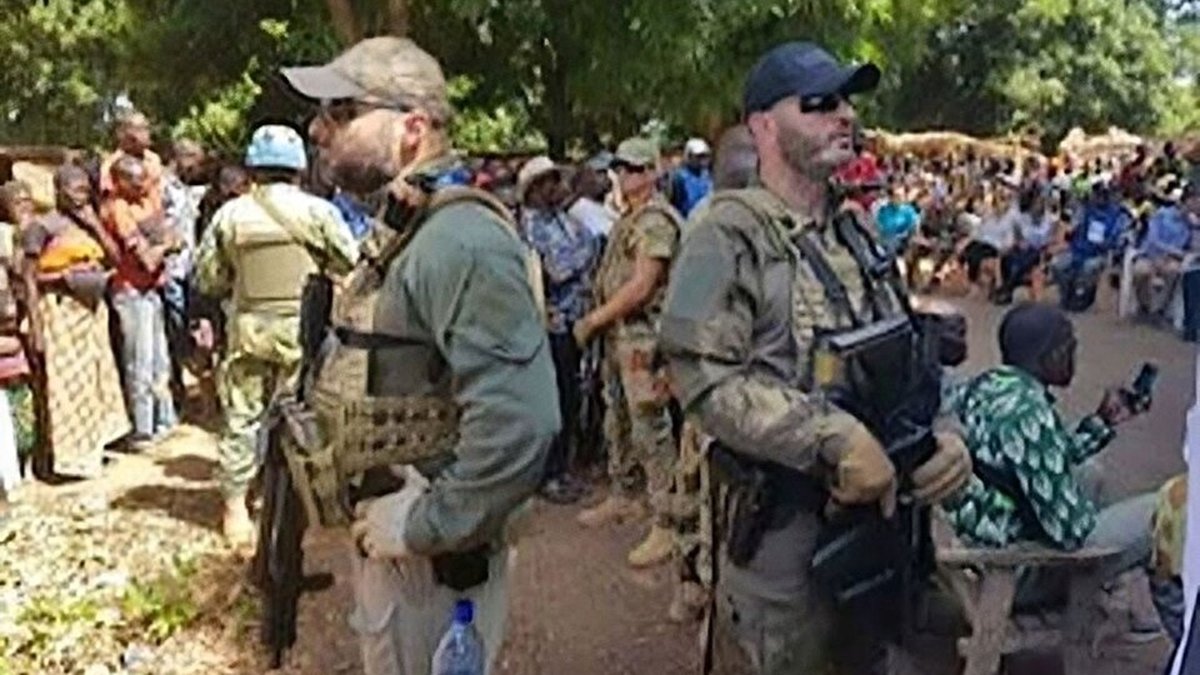
A Centrafrican journalist who exposed the activities of the Wagner Group has been denied asylum in France, despite previously securing a safe passage to the country. Ephrem Yalike-Ngonzo, whose revelations sparked international sanctions, now faces an uncertain future after French authorities rejected his asylum request.
From informant to whistleblower: a dangerous shift
In late 2019, Yalike-Ngonzo, then a working journalist in Bangui, was approached by individuals linked to Wagner. For each article praising the Centrafrican army and its Russian allies, he received between 15 and 30 euros—barely a quarter of his monthly salary. The financial incentive was clear, but so were the risks. As his reporting shifted from collaboration to confrontation, so did the threats against him.
By 2024, Yalike-Ngonzo had gathered enough evidence to expose Wagner’s propaganda network in the Central African Republic. His disclosures became part of a larger investigation that led to sanctions against Mikhaïl Prudnikov, a key figure in Moscow’s influence operations in the region. But the backlash was swift: death threats from Wagner forces forced him into hiding and eventually into exile.
A lifeline cut short: asylum denied
With the support of French authorities, including President Emmanuel Macron, Yalike-Ngonzo arrived in France in 2024 under a protected status. Yet on July 10, 2026, his asylum application was rejected—an outcome his legal team calls a “deeply discouraging signal” for those fighting Russian disinformation worldwide. The refusal has left the journalist and his family in legal limbo, forced to live in secrecy while they await the outcome of an appeal filed with the National Asylum Court.
Ongoing threats and family pressure
Back in the Central African Republic, Yalike-Ngonzo’s relatives face relentless questioning. Authorities and Wagner-linked operatives have pressured them to disclose his whereabouts, intensifying the pressure on a family already living under constant threat. Despite the risks, Yalike-Ngonzo remains in France, where his safety depends on the success of his appeal—a process that could take over a year to resolve.
The case underscores the perilous reality for whistleblowers in conflict zones and raises urgent questions about the protection offered to those who expose foreign interference in Africa.