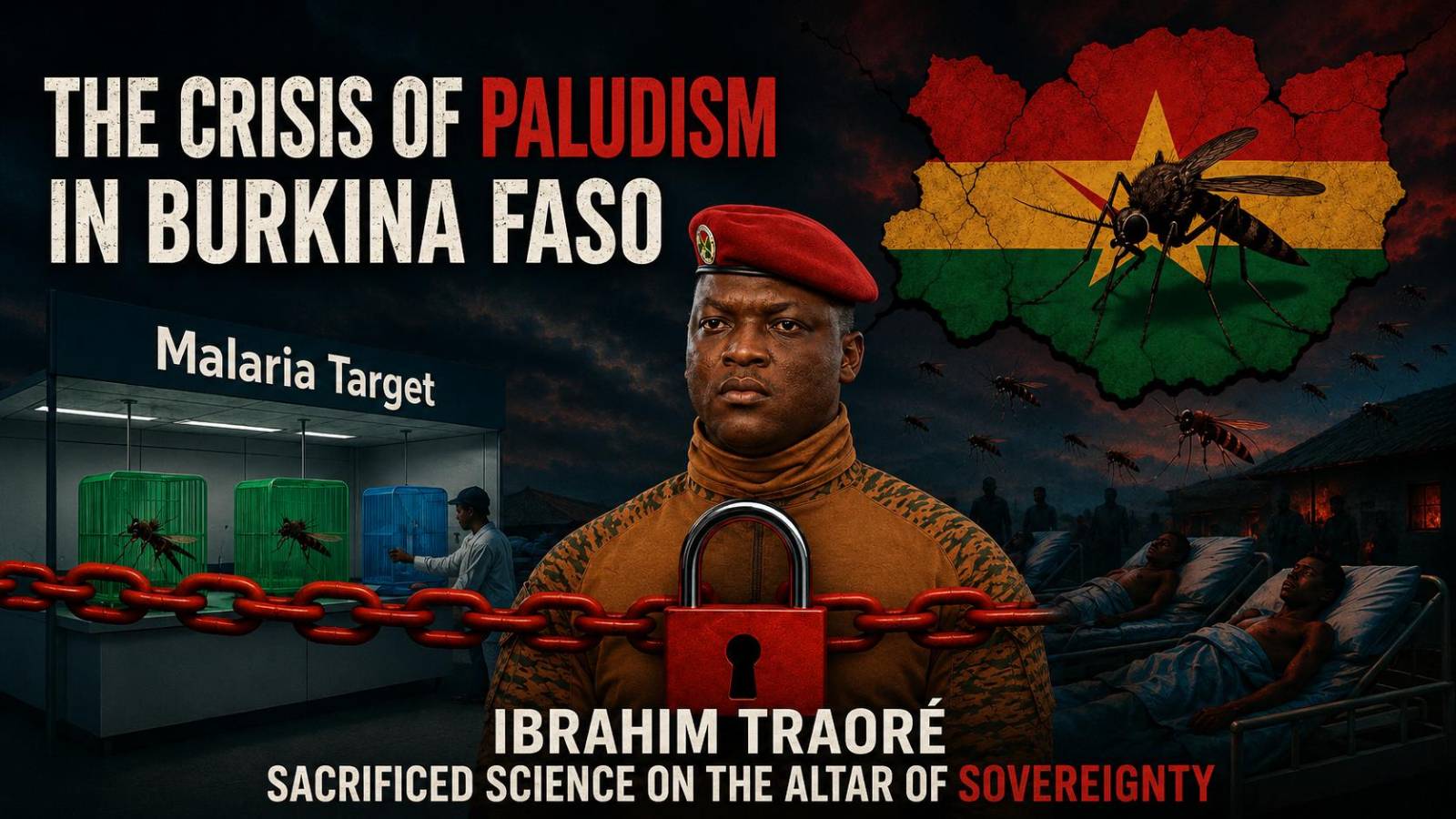
Sovereign posturing overshadows critical health research
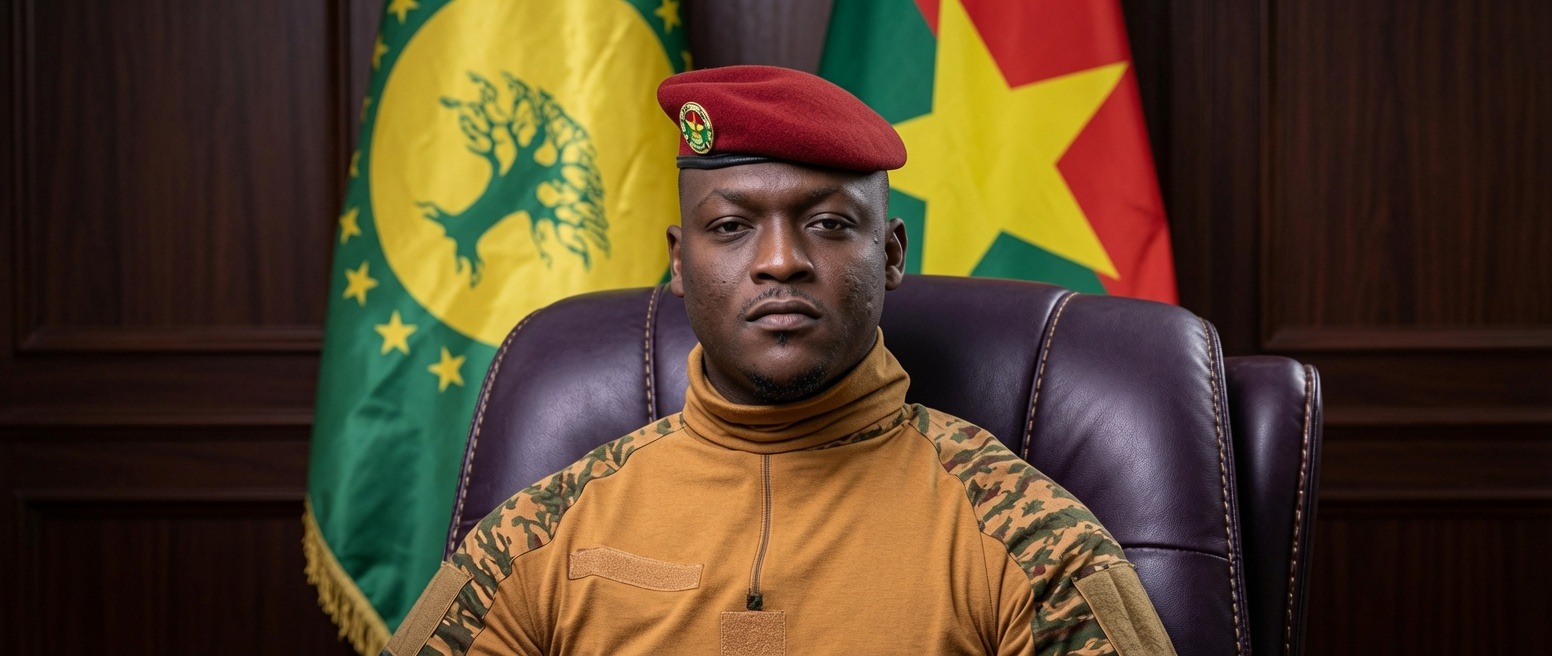
The abrupt termination of the Target Malaria project by Burkina Faso’s transitional leadership, under Captain Ibrahim Traoré, marks a decisive shift in national policy with far-reaching consequences. By ordering the permanent closure of the project’s laboratories and the destruction of its genetically modified mosquito samples, Ouagadougou has not only abandoned a decade-long scientific endeavor but also signaled a fundamental departure from international collaboration in health research.
This move sends a stark message to global health institutions and funding bodies, particularly those supporting malaria eradication initiatives. What began as a temporary suspension in mid-2025 has now crystallized into an ideological stance that prioritizes political symbolism over scientific progress and public health necessity.
Eroding scientific progress for ideological gains
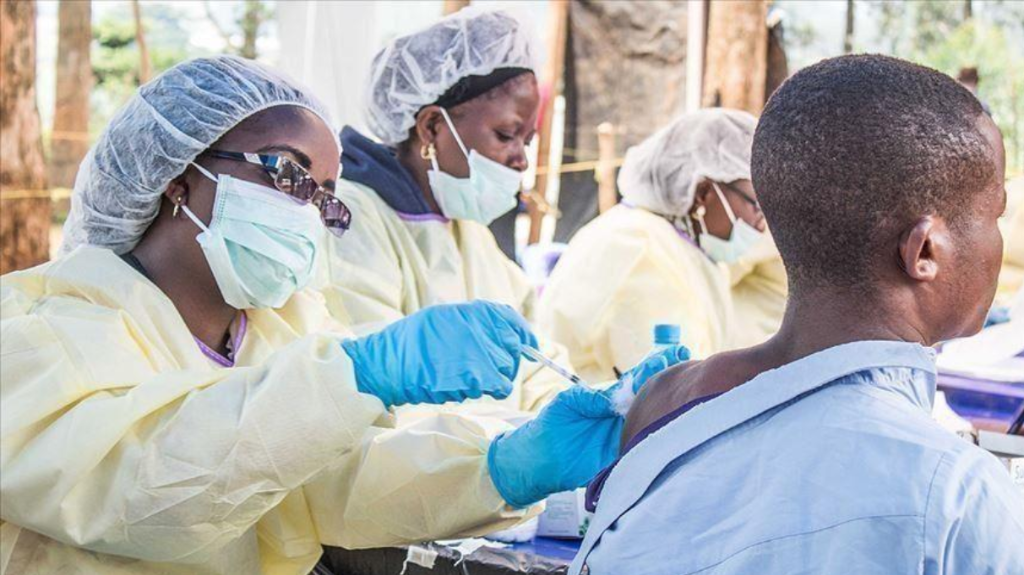
The Target Malaria initiative, though contentious, represented one of the most promising approaches to combating malaria—a disease that continues to claim hundreds of thousands of lives annually in sub-Saharan Africa, disproportionately affecting children under five. The project’s gene-drive technology aimed to reduce mosquito fertility, offering a potential breakthrough in vector control. However, its abrupt shutdown strips Burkina Faso of a critical research platform and threatens to derail local scientific advancement.
The decision underscores a broader trend of rejecting international partnerships in favor of nationalistic health sovereignty. While critics argue that the project posed ecological uncertainties, the regime’s stance disregards the broader implications of isolating the country from global health innovation networks. The closure eliminates a platform that integrated Burkinabè researchers, notably from the Institut de Recherche en Sciences de la Santé (IRSS), cutting off essential funding and access to advanced research infrastructure.
Worse still, the move risks accelerating a brain drain, as researchers and academics face diminishing opportunities within the country. The criminalization of international collaborative research sends a chilling signal to the scientific community, deterring both local talent and foreign experts from engaging in the nation’s health research landscape.
A seismic shift in regional investment confidence
Beyond its immediate impact on malaria research, this decision has sent shockwaves through the investment and development sectors, reshaping perceptions of Burkina Faso’s political and economic stability. Three critical fractures in the nation’s appeal to foreign investors and development partners have emerged:
- Contractual security collapse: Prior to the 2022 transition, state agreements were generally honored, and policy predictability was moderate. Today, unilateral decisions driven by political expediency have replaced this stability, prompting investors to freeze long-term commitments.
- Regulatory opacity: The once-predictable regulatory framework, aligned with regional and international standards, has been replaced by ad-hoc decrees and sudden policy shifts. This volatility has led to capital flight as stakeholders seek more stable jurisdictions.
- Collaborative R&D in retreat: International research partnerships, once hailed as catalysts for development, are now viewed with suspicion, accused of serving foreign interests. This climate of distrust is pushing the country toward technological isolation, depriving it of critical advancements in medicine and public health.
The futility of self-reliance in health innovation
The regime’s insistence on protecting its « biological heritage » from foreign interference reflects an attempt to assert self-sufficiency. Yet, the reality of malaria eradication demands billions in investment and seamless cross-border cooperation—mosquitoes do not respect national borders. Burkina Faso’s isolationist approach risks leaving its population, particularly the most vulnerable, without access to cutting-edge treatments and prevention strategies.
For stakeholders operating in West Africa, this development serves as a cautionary tale. Misguided sovereignty, when conflated with technological autarky, risks marginalizing the Sahel from the global flow of health innovations and investments. The question remains: Will the very communities this policy claims to protect bear the brunt of its unintended consequences?