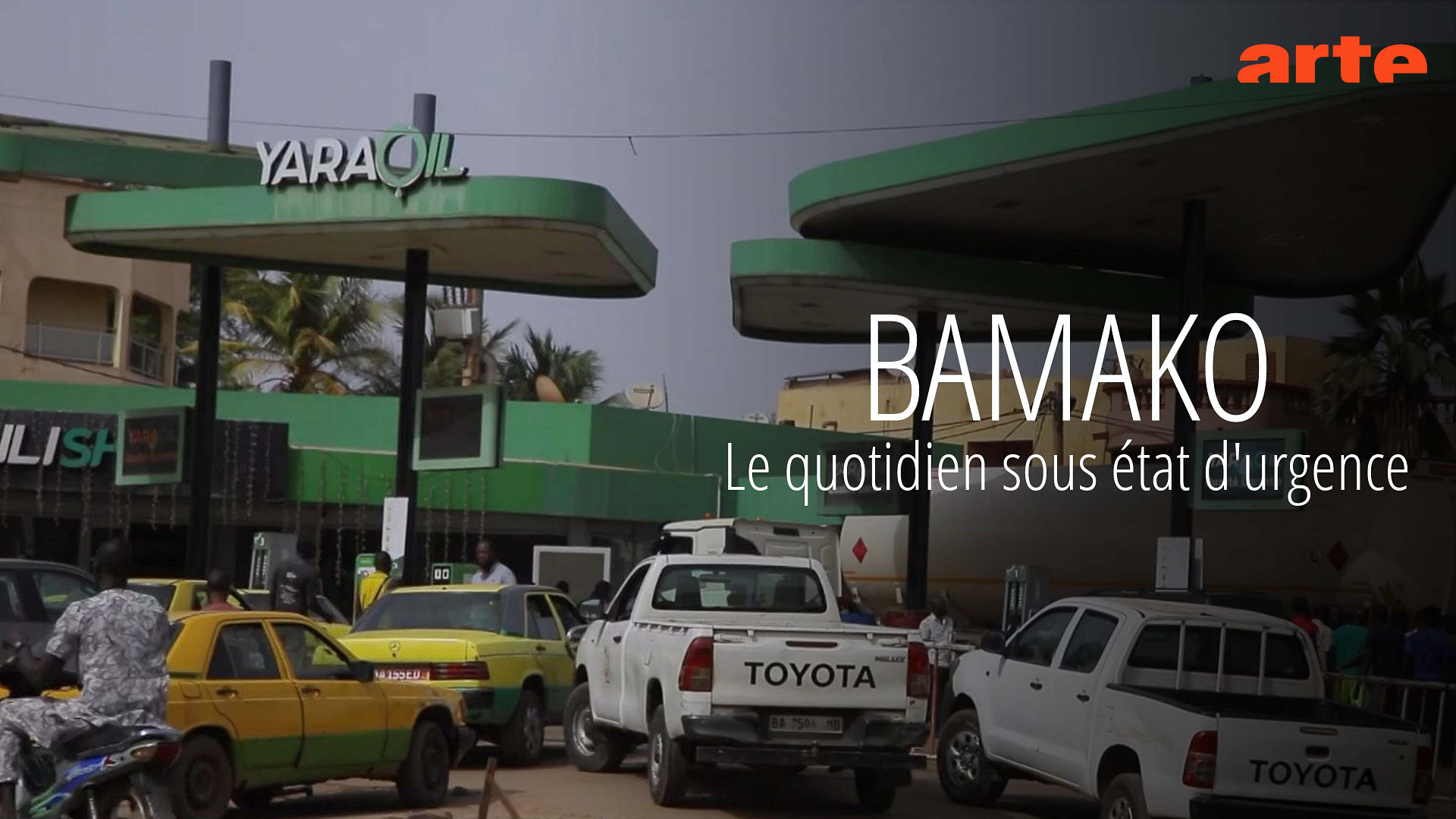
In the heart of West Africa, Bamako—the bustling capital of Mali—continues to navigate the challenges of daily life amid an extended state of emergency. Since armed islamist groups began blockading access routes into the city, the specter of potential terrorist attacks looms large over residents and visitors alike. Food shortages have become an increasingly pressing concern, while the French government has issued urgent advisories for its citizens to leave the country.
the human side of a security crisis
The situation in Bamako remains tense as authorities work to balance security imperatives with the needs of a city under siege. Markets are struggling to maintain supplies, and families are adapting to new routines shaped by the blockade. Despite these hardships, life in the capital persists—resilient and determined.
what the emergency means for residents
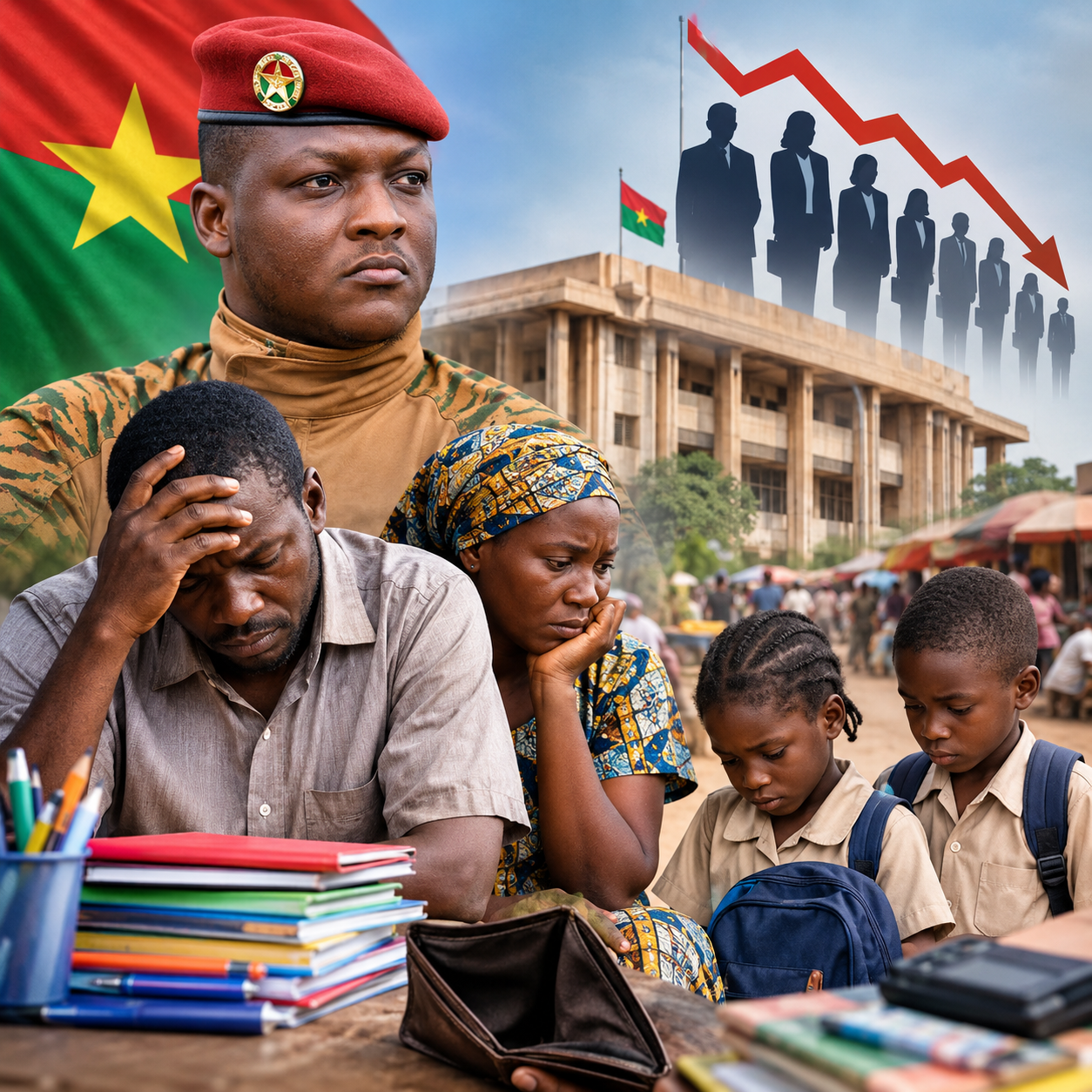
The prolonged state of emergency has forced residents to reconsider their daily habits. Longer travel times, increased security checks, and limited access to essential goods have become the norm. Many are turning to community networks and local initiatives to share resources and support one another.
international response and ongoing concerns
As the blockade continues, international observers are closely monitoring the situation. The French government’s call for its citizens to return home underscores the seriousness of the security risks. Meanwhile, humanitarian organizations are assessing the impact on food distribution and public health, preparing for potential long-term consequences.
the road ahead
With no immediate resolution in sight, Bamako’s residents remain steadfast in their determination to carry on. The city’s resilience in the face of adversity is a testament to the strength of its people, even as the security situation in the Sahel region remains fragile.