Burkina Faso’s gold sector: economic sovereignty vs geopolitical risks
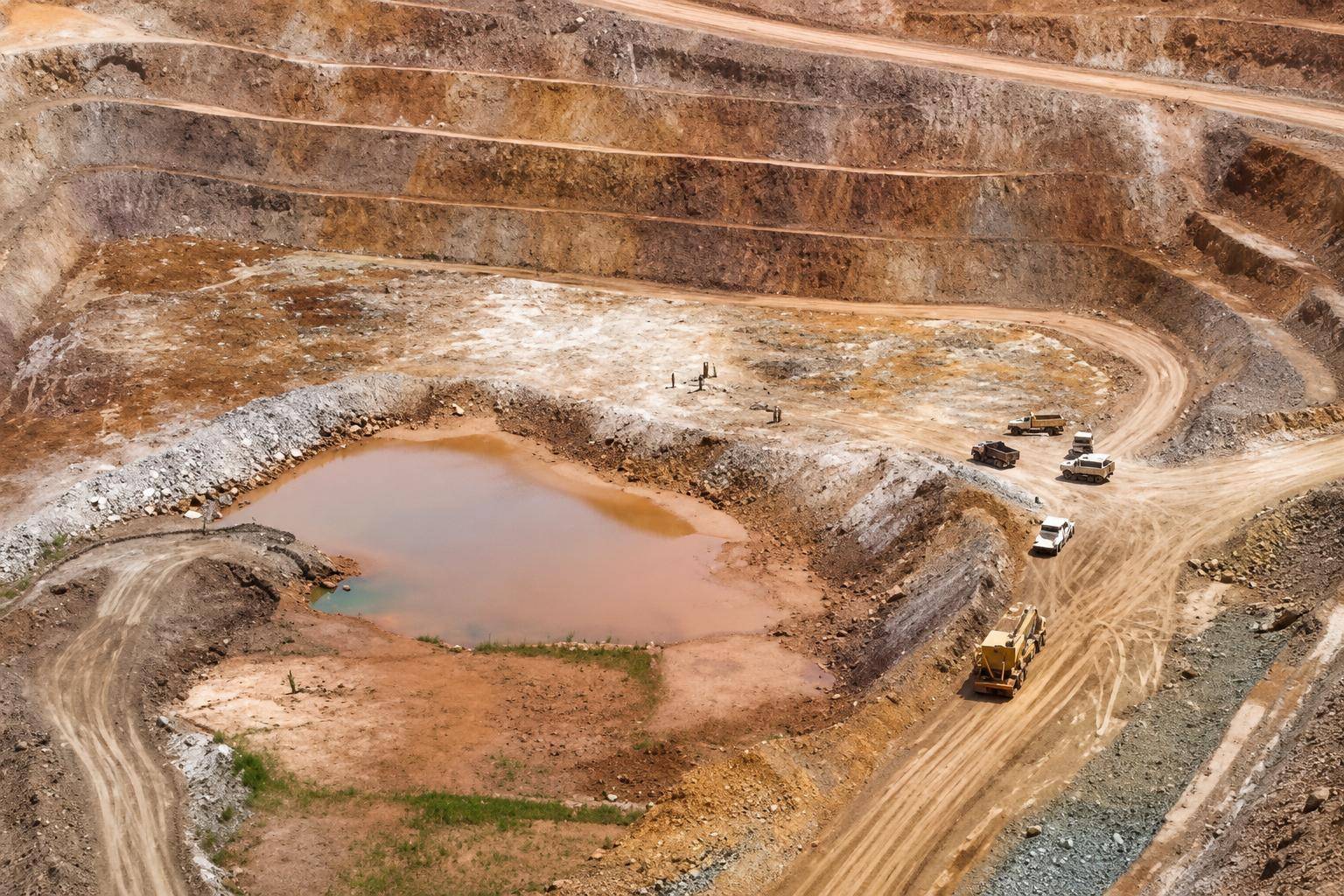
The Burkina Faso government is reshaping its gold industry management under a bold transition strategy. With the 2023 launch of the National Precious Substances Company (SONASP) and the inauguration of local infrastructure like the national gold refinery in Ouagadougou, authorities aim to reclaim control over the yellow metal’s value chain and strengthen economic independence.
Behind the ambition: structural paradoxes and rising tensions
The transition government’s push for self-reliance faces hurdles that go beyond rhetoric. While the first half of the year saw record gold volumes funnelled into official channels, the strategy struggles with deep-rooted contradictions and intensifying geopolitical pressures.
A delicate balance: foreign partnerships and new vulnerabilities
The current mining policy prioritises diversifying international partnerships, including awarding exploitation permits to foreign firms such as Russia’s Nordgold. Yet this pivot raises critical concerns:
- Strategic exposure: Replacing traditional partners with entities tied to specific geopolitical allies could create fresh dependencies and strategic vulnerabilities for Burkina Faso.
- Institutional oversight: The ability of regulators like the BUMIGEB and SONASP to enforce strict traceability and ensure direct benefits for local communities is tested in a security climate that weakens both artisanal and industrial mining operations.
The reserves storage controversy: a revealing episode
Speculation about plans to transport or store part of the national gold reserves in Russia became a lightning rod for debate. Although Burkina Faso’s Ministry of Economy and Finance dismissed the claims as misinformation, the episode exposed the pitfalls of managing a precious resource:
- Financial fragility: Depositing sovereign reserves with a country under heavy international sanctions and global banking restrictions would undermine the liquidity and legal security of Burkina Faso’s assets.
- Sovereignty at risk: Physical gold serves as a nation’s ultimate financial safeguard. Entrusting it to a foreign counterpart in a volatile geopolitical climate contradicts the stated goal of “total sovereignty” and full national control over resources.
Local anchoring: refining and formalisation challenges
The decision to refine gold domestically marks a symbolic milestone, but unresolved technical and economic questions remain:
- Supply chain integrity: A steady flow of raw material to the refinery hinges on curbing fraud in artisanal mining zones, many of which sit in high-risk security areas.
- Community impact: The mining sector must move beyond revenue collection to foster lasting jobs and local infrastructure development.
The political drive to rebalance mineral rents in favour of the state is understandable given national priorities. Yet to safeguard this sovereignty over the long term, Burkina Faso would do well to shore up domestic transparency, secure its national reserves internally, and reinforce its own management infrastructure—rather than expose its gold to complex external geopolitical arbitrage.