The jihadist group Boko Haram has freed more than four hundred captives in Nigeria’s northeast, an area where the Islamist network persistently challenges federal authority despite nearly fifteen years of military operations. This liberation, unprecedented in its recent scale, occurs amidst a resurgence of activity by armed factions vying for dominance around the Lake Chad basin. Authorities in Abuja have not yet disclosed the specifics of this operation, but the well-documented regional practice of ransom payments fuels speculation regarding any concessions made.
A massive release shrouded in mystery
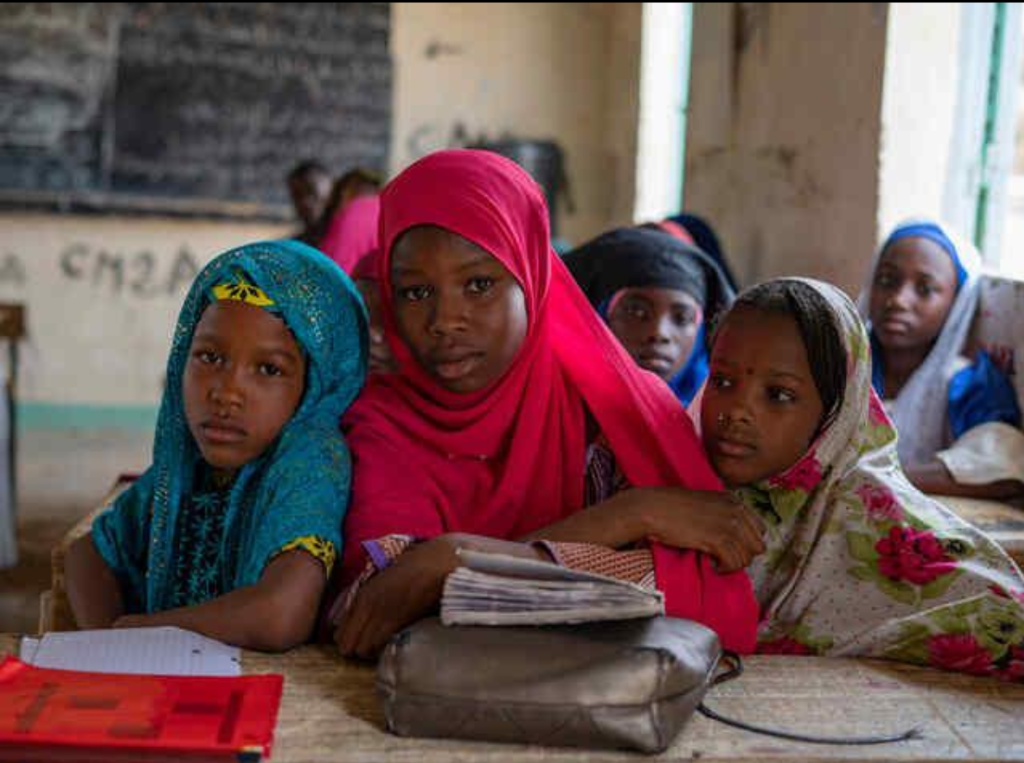
The northeastern Nigerian region, particularly the states of Borno, Yobe, and Adamawa, has been the epicenter of the jihadist insurgency since 2009. The individuals released were predominantly members of rural communities, seized during armed incursions targeting villages, markets, or isolated roadways. While the figure of four hundred people underscores the unprecedented scope of this return, it also reveals the substantial number of civilians held by the organization, who are exploited as bargaining chips, forced labor, or recruitment pools.
The precise circumstances surrounding their liberation remain unclear. Numerous past instances, dating back to the abduction of Chibok schoolgirls in 2014, have demonstrated that negotiations typically involve religious or traditional intermediaries, sometimes facilitated by international partners. The Nigerian government has consistently denied directly paying ransoms, though it acknowledges indirect mediation efforts. Nevertheless, an official policy of firmness coexists, in practice, with a clandestine economy of captivity that continuously sustains armed groups.
Abduction: a financial lifeline for west african jihad
Mass kidnappings have become an operational hallmark of Islamist movements across West Africa. Boko Haram, along with its splinter faction affiliated with the Islamic State in West Africa Province (ISWAP), as well as criminal gangs in northwestern Nigeria, routinely employ abduction for ransom to finance their weaponry, logistics, and fighter upkeep. This predatory economic model has gradually spread to neighboring states like Niger, Cameroon, and Chad, forging a cross-border market for captivity.
Beyond its financial dimension, hostage-taking serves as a potent political lever. It compels national capitals into negotiations, effectively legitimizing jihadist leaders and eroding the security credibility of affected states. In Abuja, President Bola Tinubu, who took office in May 2023, frequently faces scrutiny over the armed forces’ persistent inability to secure rural areas in the north. While dramatic releases offer symbolic victories for the government, they fail to halt the cycle of abductions, which renews itself in step with the groups’ financial demands.
A security challenge transcending Nigeria’s borders
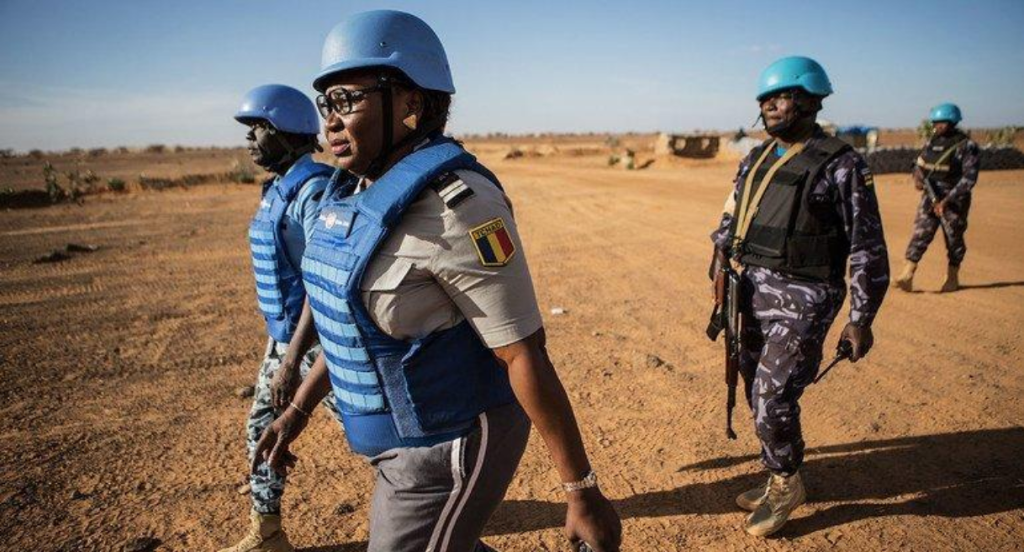
For over a decade, the Lake Chad basin has endured one of Africa’s most protracted humanitarian crises. According to United Nations agencies, millions of people are displaced there, and nearly four million rely on food assistance. The Multinational Joint Task Force, comprising Nigeria, Niger, Chad, Cameroon, and Benin, struggles to coordinate a cohesive response, weakened by diplomatic rifts stemming from Sahelian coups and Niger’s withdrawal from several regional cooperation frameworks. This highlights the complex security Sahel landscape.
For investors and operators active in the country’s north, particularly in agro-industry, Lake Chad basin hydrocarbons, or rural telecommunications, the risk of abduction has become a structural variable. Companies increasingly deploy private escorts, specialized insurance, and travel restrictions, significantly inflating operational costs. The liberation of four hundred hostages, though welcome, does not alter the fundamental equation: as long as ransom remains more profitable than surrender, the captivity industry will continue to flourish, impacting the broader Sahel Vision for security.
Ultimately, this event underscores the urgent need for an integrated strategy encompassing development, justice, and robust regional cooperation, especially as defense budgets in the Lake Chad basin states are already under considerable strain. Addressing these political Sahel and security Sahel challenges requires a comprehensive approach for sustainable peace in West Africa Sahel news.