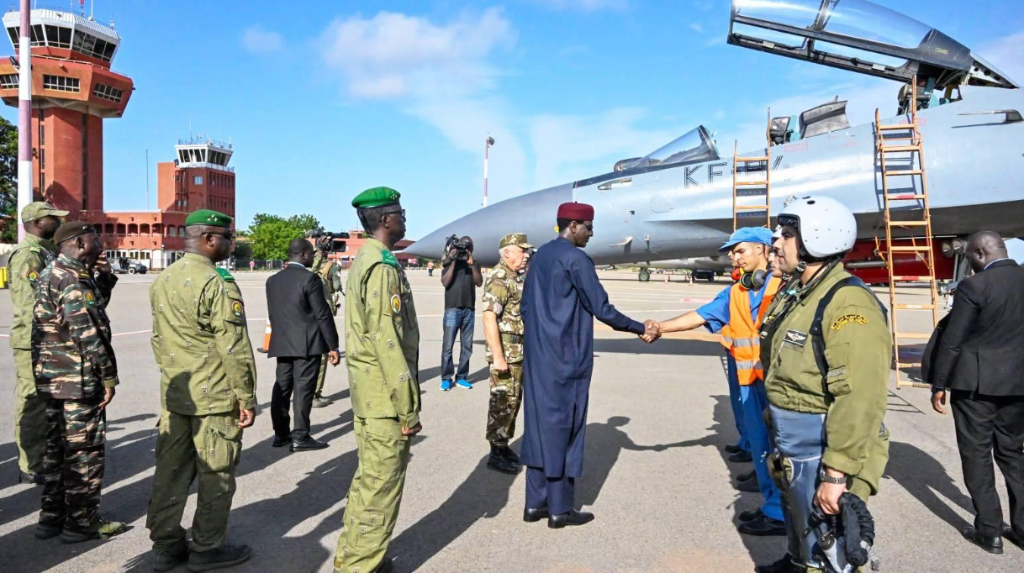
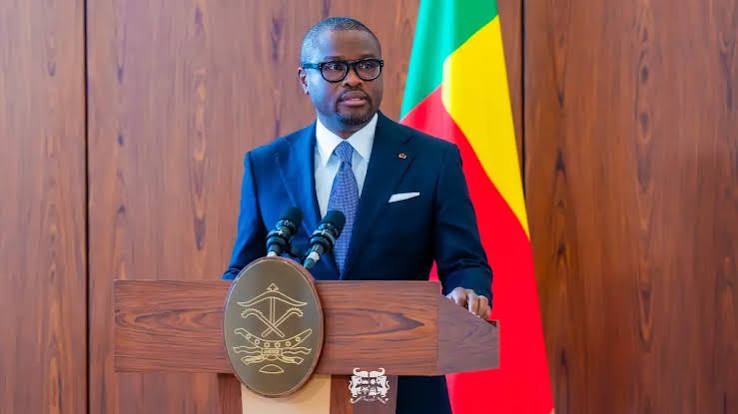
Since the July 2023 coup in Niger and the imposition of sweeping regional sanctions, the Benin-Niger relationship has been trapped in a deep freeze marked by sealed borders and unrelenting accusations. Yet a closer look reveals a more layered picture: the Benin government, undeterred by the firm stance of the Alliance of Sahel States (AES), has consistently pursued paths to reconciliation. The recent official visit of Beninese President Romuald Wadagni to Niamey stands as the culmination of this ‘outstretched hand’ diplomacy and a clear testament to Cotonou’s sincerity.
Turning points despite persistent obstacles
Even as tensions mounted month after month, Benin took decisive early steps to ease the standoff:
- Early lifting of economic blockades: By late 2023, Benin had already removed restrictions on Niger-bound goods transiting through the Port of Cotonou. The move aimed to revive Niamey’s economic lifeline, but ran into Niger’s continued border closure, citing “security concerns.”
- Envoys at the forefront: When dialogue stalled, Beninese authorities actively supported high-level mediation efforts. Visits to Niamey in summer 2024 by former presidents Nicéphore Soglo and Thomas Boni Yayi underscored Cotonou’s unwavering commitment to dialogue, transcending political divides.
- Safeguarding shared assets: Despite heated disputes over the WAPCO crude oil export pipeline, Benin worked to keep the infrastructure operational. This pragmatic approach prevented an irreversible rupture and preserved the sole technical lifeline between the two nations.
Romuald Wadagni’s arrival: a fresh chapter
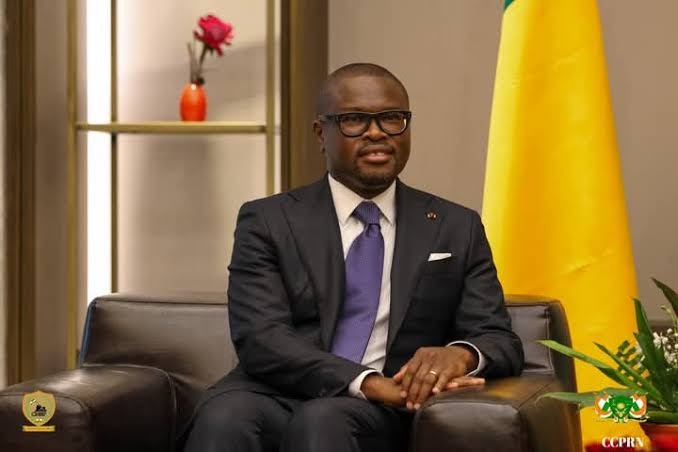
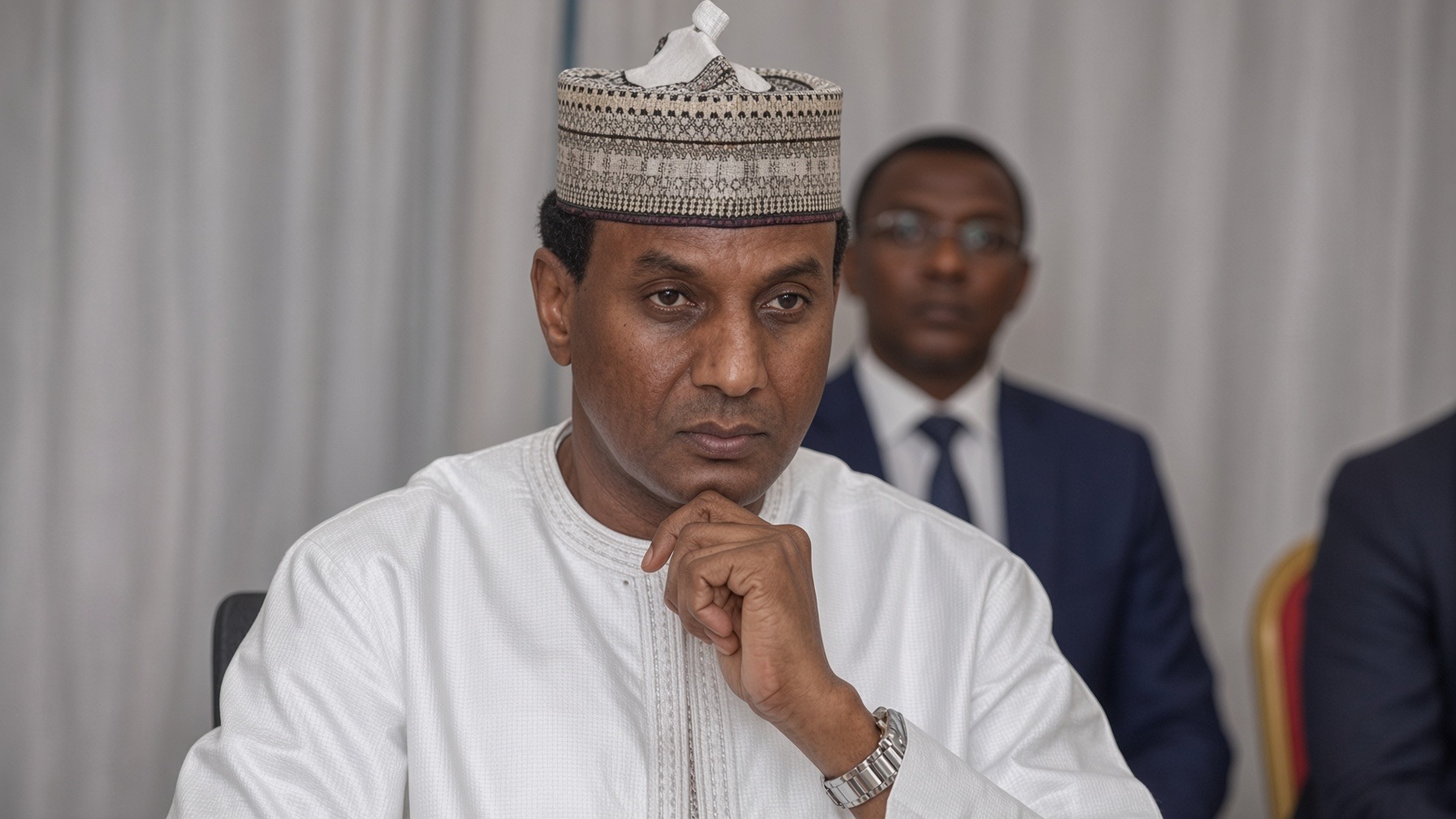
When Romuald Wadagni took office as Benin’s president in May 2026, he brought a fresh dynamic. A respected technocrat and former Finance Minister, his apolitical profile shielded him from the polarizing decisions taken after the 2023 coup. His presidency quickly signaled a thaw: Niger’s Prime Minister Ali Mahamane Lamine Zeine broke diplomatic isolation by attending Wadagni’s inauguration in Cotonou.
A symbolic gesture of trust
By making Niamey his first official destination, President Wadagni delivered the “pledge of good faith” long sought by the AES leadership. His presence in the capital showed that Benin places regional reconciliation at the top of its agenda. His meetings with General Abdourahamane Tiani and Captain Ibrahim Traoré signaled a readiness for open, pragmatic, and unfiltered dialogue.
Pragmatism driven by shared realities
This thaw is more than symbolic—it answers pressing, mutual needs:
- Security imperatives: Armed violence in the shared W-Arly-Pendjari transborder zone surged by nearly 86% between 2024 and 2025. Neither country can defeat the jihadist threat alone. Restoring bilateral military cooperation has become a survival issue for border communities.
- Economic lifelines: Niger urgently needs the Beninese corridor to lower living costs and secure supplies. Meanwhile, Benin seeks to boost revenues at the Port of Cotonou.
By reaching out directly to Niamey, President Wadagni has closed the book on misunderstandings. Benin has shown respect for its neighbors’ sovereignty and a full commitment to shared stability and prosperity across the subregion. The ball now rests in Niamey’s court to turn this diplomatic overture into a full reopening of borders.