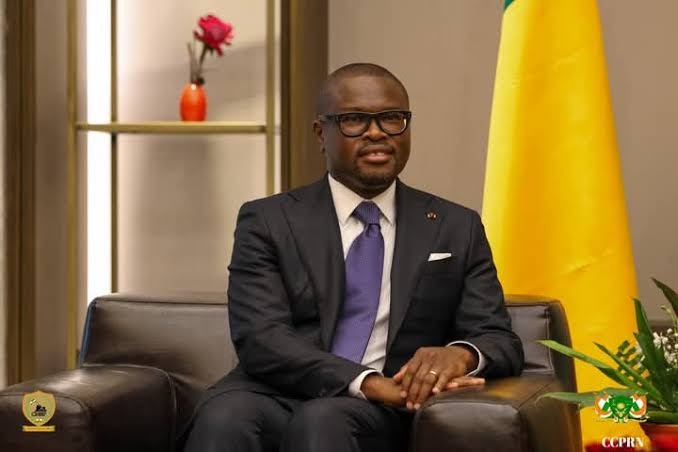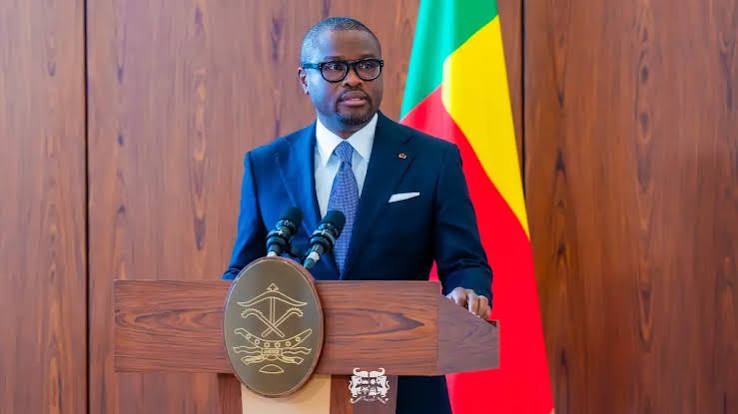
Romuald Wadagni has taken office as Benin’s fifth president since the West African nation embraced democratic reforms in 1990, securing a decisive victory with 94% of the vote in the April 12 presidential election. His sole opponent, politician Paul Hounkpe, conceded defeat, and Hounkpe’s party later formed a coalition with the ruling parliamentary bloc.

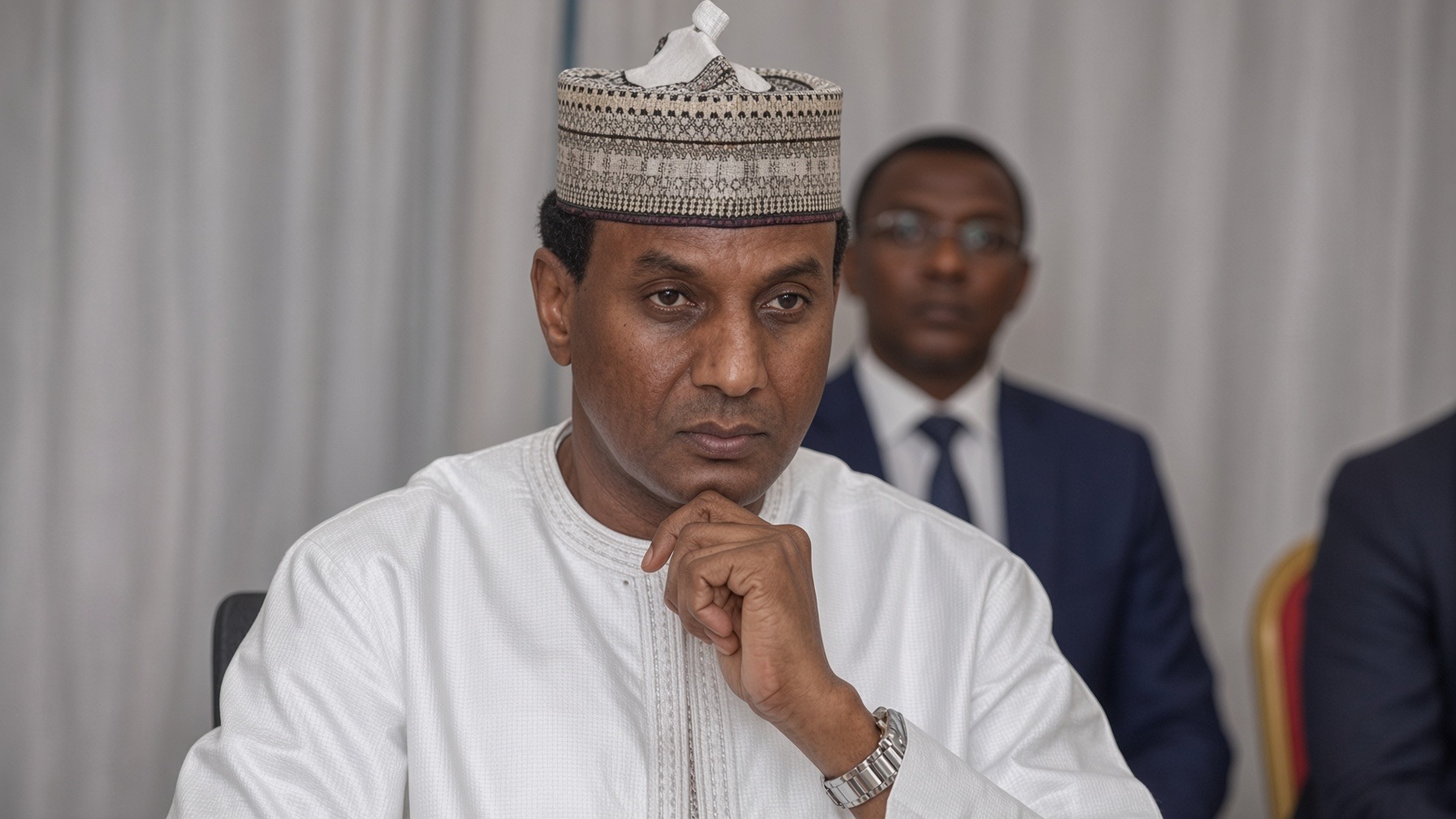
More than 6,000 dignitaries attended the inauguration ceremony, including high-ranking state officials, constitutional body members, diplomats, and former presidents Nicéphore Soglo and Thomas Boni Yayi. Notably, Nigerien Prime Minister Ali Mahaman Lamine Zeine’s presence signaled a thaw in relations after a period of diplomatic strain between the two neighbors.
The amended 2025 Constitution extends presidential terms from five to seven years while maintaining a two-term limit. During his swearing-in before Chief Justice Dorothe Sossa of the Constitutional Court, President Wadagni vowed to uphold the Constitution, preserve peace, strengthen national unity, and serve the people of Benin with accountability.
« Benin will neither yield to fear nor complacency, » he declared. « The government will act decisively against any forces threatening national security or cohesion. »
The new administration faces pressing challenges, including social inequality and security threats in the northern regions, despite years of steady economic growth. Before entering politics, Wadagni worked at Deloitte, one of the world’s leading audit firms. Since 2016, when Patrice Talon assumed the presidency, Wadagni has served in key economic roles—first as Minister of Economy and Finance, then as Principal Minister. In nearly a decade leading Benin’s financial sector, he has been instrumental in driving economic reforms, including fiscal policies that reduced the budget deficit to approximately 3% of GDP.
Strengthening regional ties, particularly with neighboring military-led governments such as Niger and Burkina Faso, is also a priority for the new leadership.