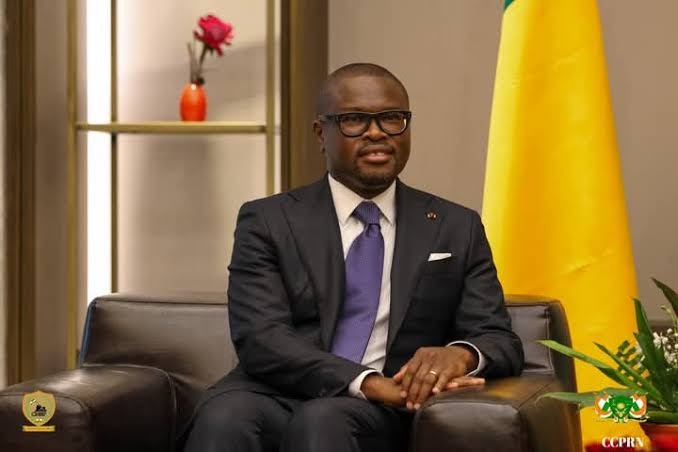
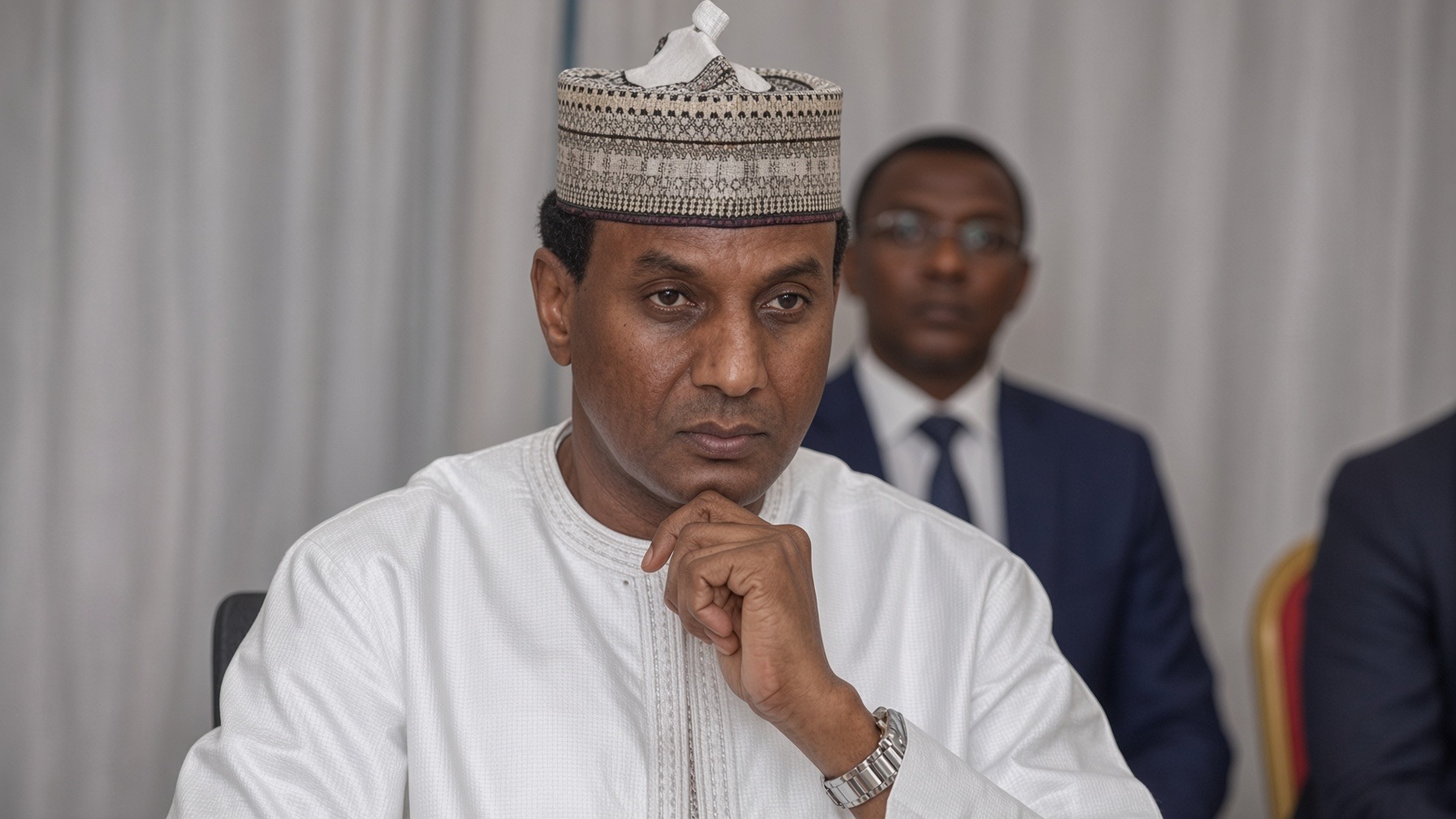
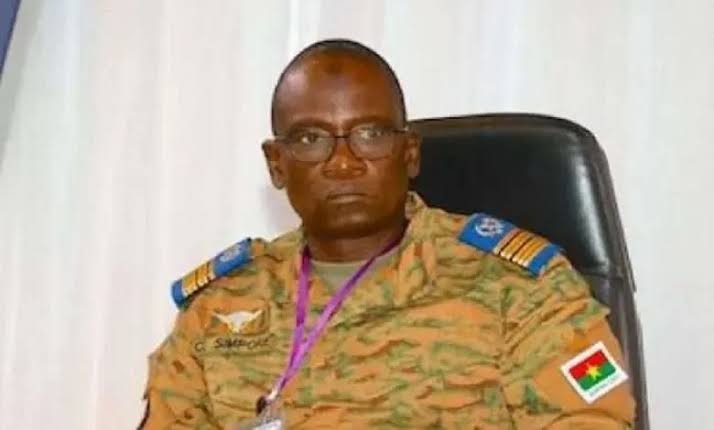
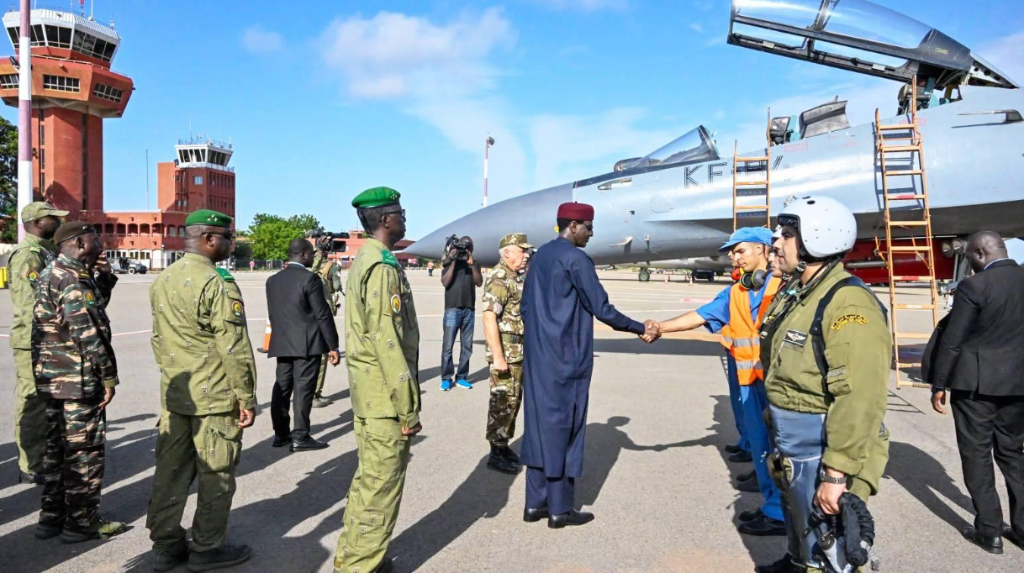
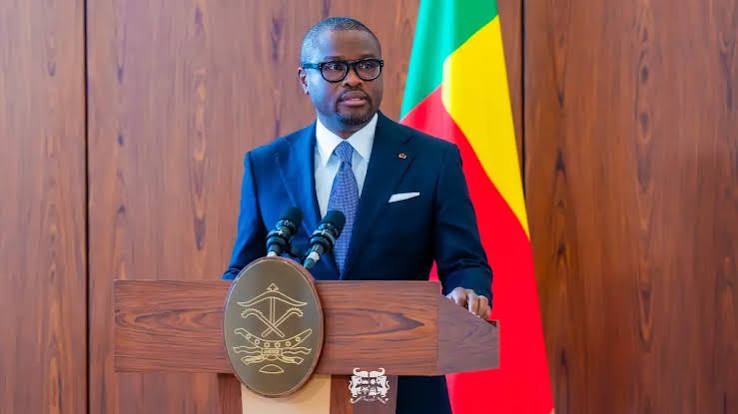
Freshly sworn in as Benin’s head of state, President Romuald Wadagni is set to embark on a landmark diplomatic mission to Niamey and Ouagadougou on June 2. This dual visit marks the opening salvo of a broader West African tour designed to mend strained regional ties and restore equilibrium in the Sahel. Sworn in at Cotonou’s Marina Palace on May 24, the new leader succeeds Patrice Talon and is determined to bridge the diplomatic rift that has distanced Benin from its Sahelian neighbors—General Abdourahamane Tiani’s Niger and Captain Ibrahim Traoré’s Burkina Faso.
Breaking the ice in a fractured sahhelian landscape
This early diplomatic foray comes at a time of deepening tensions between Benin, Niamey, and Ouagadougou. Since the July 2023 coups in both Niamey and Ouagadougou, relations have plummeted, exacerbated by the ousted governments’ perceived alignment with the Economic Community of West African States (ECOWAS), a bloc viewed with hostility by the region’s new military leadership.
Romuald Wadagni, a seasoned former Minister of Economy and Finance known for his pragmatic approach, is opting for direct engagement over formal declarations. His swift dual visit, just two weeks into his presidency, signals a clear intent to de-escalate lingering disputes—from the closure of the Niger-Benin border to escalating cross-border security allegations.
Reviving the Cotonou-Niamey trade lifeline
The economic stakes could not be higher. The Cotonou-Niamey corridor has long served as the primary logistics artery for landlocked Niger, but trade disruptions following ECOWAS sanctions—and Niger’s subsequent withdrawal from the bloc alongside Mali and Burkina Faso—have dealt a severe blow to Beninese commerce. The Port of Cotonou has seen freight traffic to the Sahel plummet, diverting business to Lomé and Tema.
For Benin, restoring seamless trade flows is both an economic and diplomatic imperative. Customs and port revenues form a vital pillar of public finances. Any normalization will hinge on reopening border crossings and eliminating additional levies imposed by both sides. Security concerns, particularly the fight against armed groups active in the W Regional Park and along the shared frontier, will also shape the talks.
Balancing act: engaging the AES without severing ties to ECOWAS
The diplomatic tightrope is undeniable. While Benin remains a member of ECOWAS, it must also rekindle meaningful dialogue with the Alliance of Sahel States (AES), established in September 2023 by Niger, Burkina Faso, and Mali to distance themselves from the Abuja-based organization. President Wadagni must tread carefully—avoiding any perception of endorsing military transitions or abandoning Benin’s regional commitments.
The symbolic weight of this trip is not lost on observers. By prioritizing Niamey and Ouagadougou as his first destinations outside coastal West Africa, the new president is sending a bold message to historic partners with whom Cotonou shares not just borders, but pressing northern security challenges. Rising jihadist attacks in northern Benin, attributed to affiliates of Al-Qaeda and the Islamic State, underscore the urgency of renewed military cooperation with Sahelian forces.
The true test will lie in the reception from General Tiani and Captain Traoré. Their governments have so far favored partnerships with Moscow and distanced themselves from traditional West African frameworks. President Wadagni’s challenge is to prove that a distinctly Beninese path—one that diverges from ECOWAS diktats—can yield tangible benefits for border communities and economic operators alike.