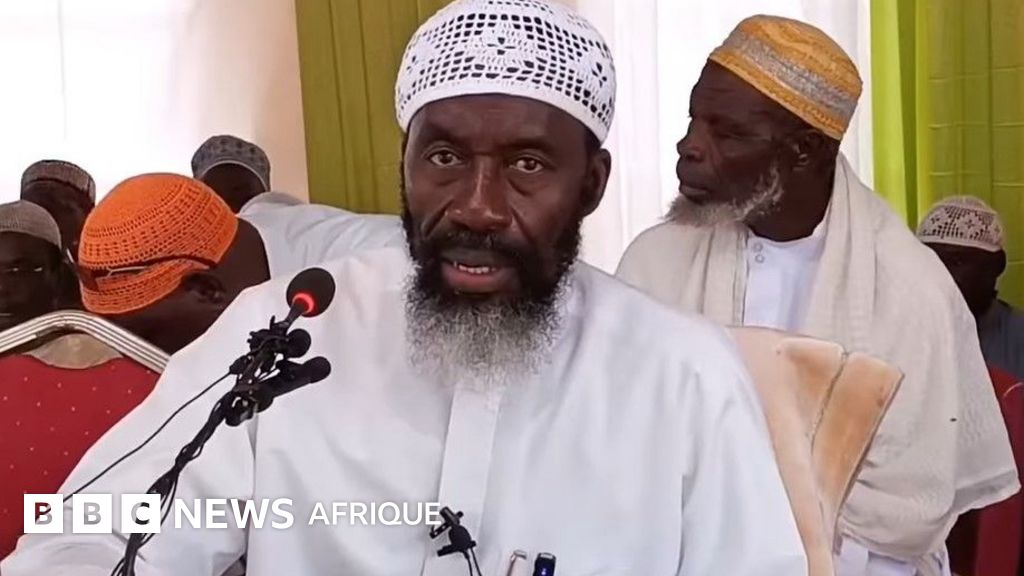
Mohamad Ishaq Kindo: what we know about the arrest of the influential imam
Ouagadougou — The arrest of prominent Sunni imam Mohamad Ishaq Kindo has sent shockwaves through the religious community in Burkina Faso. The influential religious leader was apprehended Tuesday, May 26, by security forces in the capital, with no official explanation provided for his detention, which remains shrouded in mystery.
The arrest followed sharp criticism from Kindo two days earlier regarding the newly adopted law on religious freedoms, passed by lawmakers on March 19. In a widely circulated recording, the imam questioned the government’s approach, urging authorities to “reflect deeply on the consequences of their actions before proceeding.”
Violent arrest sparks community outrage
A close associate who witnessed the incident described the operation as violent, carried out by masked security personnel including police and military officers around 2:00 PM local time—just days before the Eid al-Adha celebrations.
“Fans gathered around him resisted, leading to tense confrontations,” the witness reported. Another confidant confirmed that several Muslim worshippers were injured during the arrest, further escalating tensions.
Protests erupt in Ouagadougou
Within hours of the imam’s detention, hundreds of demonstrators took to the streets of Ouagadougou, demanding his immediate release. The peaceful protest was met with force, as security forces used tear gas to disperse the crowd, according to accounts from participants.
The Federation of Islamic Associations of Burkina (FAIB) called on all Muslims to remain calm and avoid further unrest. Yet the public’s reaction reflects deep unease over the government’s handling of the case.
No official statement on Kindo’s fate
As of now, no government spokesperson or security authority has commented on the reasons behind the arrest or the whereabouts of the detained imam. President Ibrahim Traoré addressed the nation on social media following the Eid prayers, reaffirming his commitment to combating jihadist threats and warning against any threats to national stability.
“Those who attempt to undermine our security forces or sow discord will face the full weight of the law,” he stated firmly, without mentioning the case directly.
New law on religious freedoms: catalyst for controversy
The law in question, adopted by the council of ministers on March 19, aims to regulate religious practices in Burkina Faso amid growing concerns over online radicalization, hate speech, and extremism. Authorities insist the legislation seeks to preserve national cohesion and prevent abuses in the name of faith.
Among its key provisions, the law prohibits the construction of places of worship in public institutions—with limited exceptions for health facilities, prisons, and military barracks. Public prayer remains permitted, provided it respects the beliefs of others and does not disrupt public order.
Mariem Sanogo, head of Religious, Customary, and Traditional Affairs, emphasized that the law was not new but updated to address rising extremism and online incitement. “Our goal is to curb hate speech and protect social harmony,” she said.
Broader context: rising tensions under military rule
Since Captain Ibrahim Traoré assumed power nearly four years ago, Burkina Faso has been governed by a military junta. The government has defended its restrictive policies as necessary to counter a decade-long jihadist insurgency that has destabilized much of the country.
Critics, however, argue that the crackdown extends beyond security concerns, targeting dissenting voices—including religious leaders like Kindo—under the pretext of maintaining order.