Amnesty International sounds the alarm on escalating repression in Niger
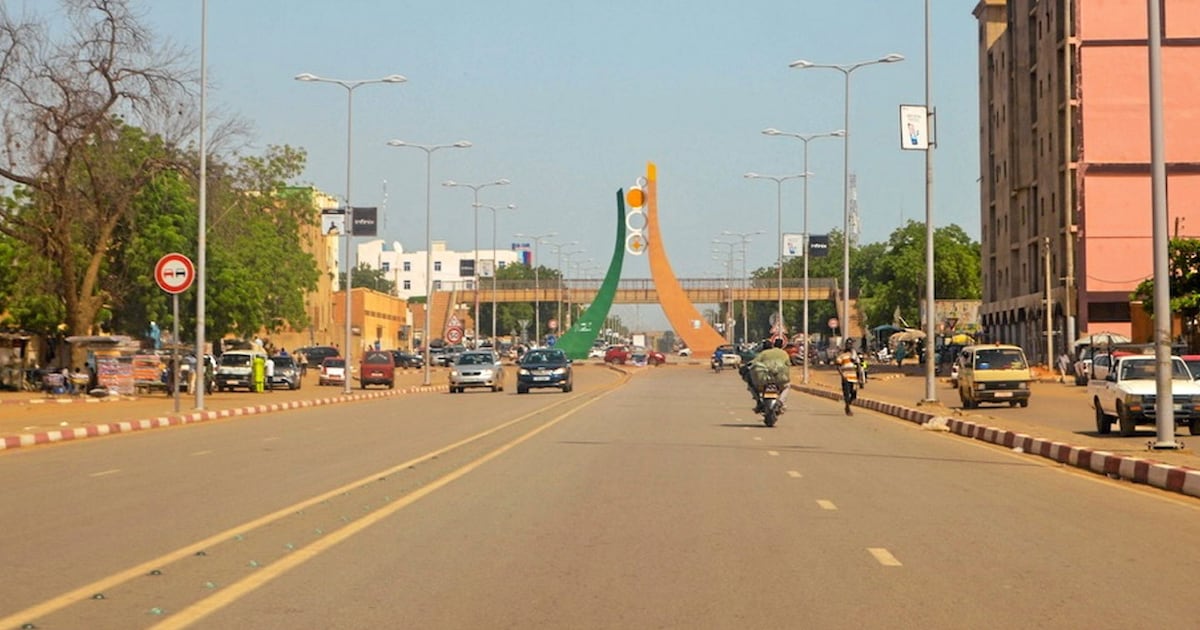
Eighteen months after the military takeover on July 26, 2023, which saw the removal of elected President Mohamed Bazoum, the CNSP military administration is tightening its control over Niger. A recent report from Amnesty International, released on March 18, documents a disturbing trend of forced arrests, arbitrary detentions, media suppression, and the banning of political parties. Titled “Niger: Threatened and Silenced: Human Rights and Civic Space Under Pressure Since the July 26 Coup,” the document details significant violations of political and civil rights occurring between July 2023 and January 2025.
Critics and former government officials are facing increasing threats from a regime that is shrinking the political landscape and deepening societal rifts. Although the CNSP initially justified its coup by citing “security deterioration” and “poor governance” while promising to uphold the rule of law, those commitments appear to have been abandoned.
A regional shift in the Sahel
The Sahel region has been rocked by a series of military coups, including those in Mali (2020 and 2021) and Burkina Faso (2022), leading up to the events in Niger. Following economic sanctions and threats of intervention from ECOWAS, the three nations formed the Alliance of Sahel States (AES) in September 2023. This alliance has since distanced itself from regional bodies, cutting ties with France and the European Union. In a further move toward strategic isolation, Niger, Burkina Faso, and Mali announced their withdrawal from the International Organisation of La Francophonie (OIF) on March 17, following the organization’s calls for the release of Mohamed Bazoum.
The collapse of the rule of law
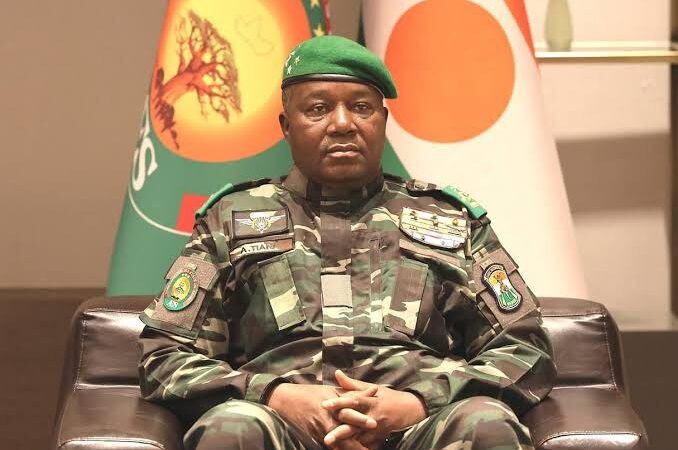
Upon taking power, General Abdourahamane Tiani pledged to protect civil liberties and human rights in line with Niger’s international obligations. However, the reality on the ground tells a different story. Marceau Sivieude, Amnesty International’s acting regional director for West and Central Africa, notes that despite initial assurances, human rights have been undermined in both law and practice. The legislative framework has seen a significant regression.
Immediately after the coup, the military suspended the 2010 Constitution and key bodies like the National Human Rights Commission. New institutions have yet to be established, leaving the CNSP with absolute executive and legislative authority, ruling primarily through restrictive decrees. One of the most contentious moves was the reinstatement of a 2019 cybercrime law in July 2024, which allows for the prosecution of citizens for defamation or spreading content deemed disruptive to public order.
Even more concerning is an August 2024 ordinance that broadens the definition of terrorism and permits the tracking of individuals suspected of involvement. Those on this list face the freezing of assets and potential loss of nationality. Since October 2024, 21 people, including former ministers from the Bazoum administration, have been affected. Hamid Ngadé, a former presidential advisor, expressed fear of becoming stateless, stating that the rule of law no longer exists in Niger. Ousmane Diallo, a Sahel researcher, warns that these measures effectively strip citizens of their rights based on their political views.
Systematic silencing of civil society
The junta has expanded its repressive toolkit to muzzle both activists and the press. Under the guise of maintaining order and sovereignty, a climate of fear and self-censorship has taken hold. Intelligence services, specifically the DGSE, have been accused of involvement in forced disappearances and prolonged detentions. Moussa Tchangari, a prominent civil society figure, was arrested in December 2024 and held in secret before being charged with crimes including state security threats and association with criminals. He now faces a potential ten-year prison sentence.
The government is also fostering a social divide, labeling supporters as “patriots” while branding critics as “stateless.” This environment has made it nearly impossible for civil society organizations to function, as members fear the consequences of any activity perceived as critical of the authorities. The once-vibrant landscape for social mobilization in Niamey has been fractured by these divisions.
Media under heavy surveillance
Press freedom has become a direct target of the CNSP. In January 2024, the Maison de la Presse was suspended and replaced by a government-aligned committee. International broadcasters like RFI and France 24 were taken off the air in August 2023, followed by a three-month suspension of the BBC in late 2024. Individual journalists are also under fire; Ousmane Toudou and Soumana Maïga were arrested in April 2024 for social media posts and tried before a military court despite being civilians. Blogger Samira Sabou was also subjected to a forced disappearance before being prosecuted under cybercrime laws.
This atmosphere has forced journalists to weigh every word carefully. Sources are increasingly unwilling to speak publicly, and the defense of press freedom has largely vanished. Ousmane Diallo emphasizes that free expression is vital for government accountability, yet Niger appears to be moving further away from democratic norms. A recent proposal for a five-year transition period, which could allow current military leaders to run in future elections, suggests a long-term entrenchment of military rule.