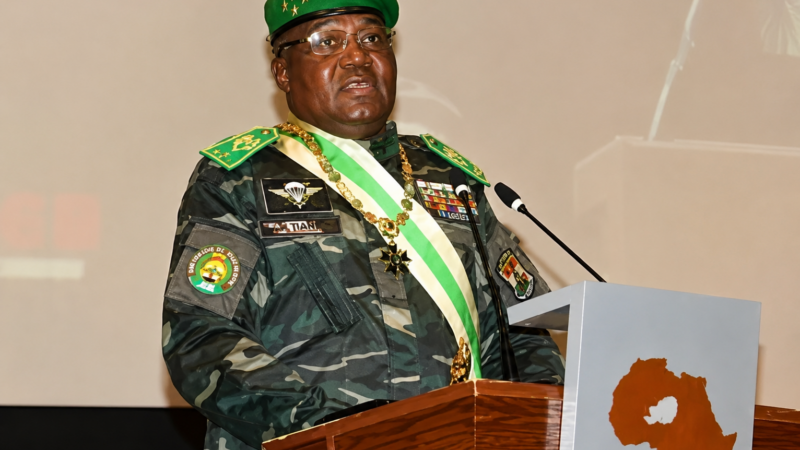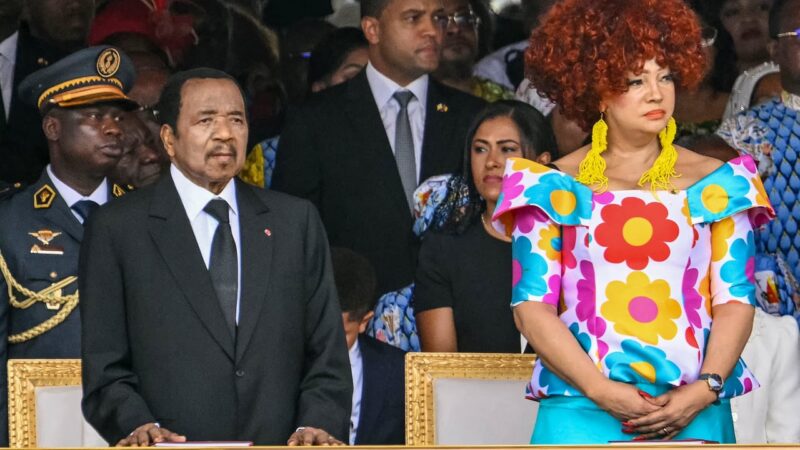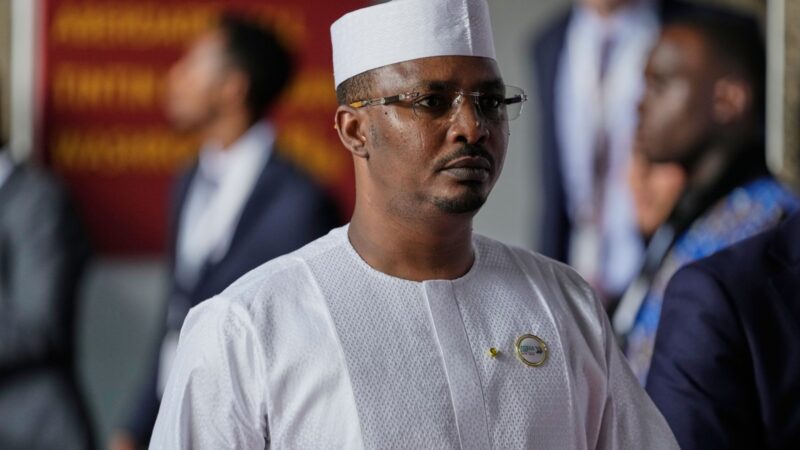
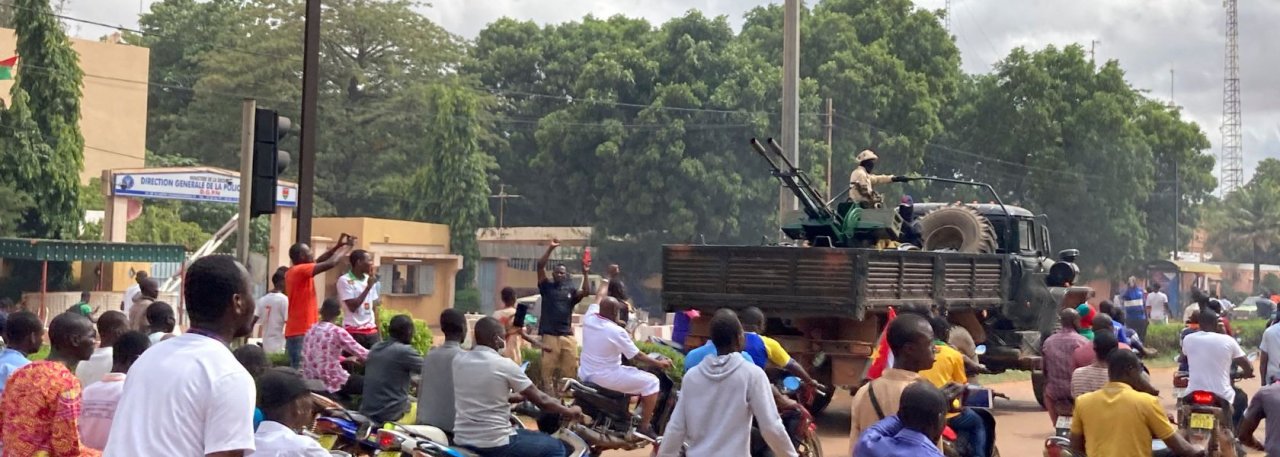
Paris, Geneva, February 20, 2025 — The Burkina Faso, Mali, Niger, and Chad have undergone dramatic political transformations in recent years. Military takeovers and prolonged “transition” periods in these nations have coincided with a sharp decline in civic freedoms and intensified crackdowns on human rights defenders.
The report, titled “Civic Space and Human Rights Defenders in the Sahel: Regional Convergence of Repression Tactics,” reveals how governments in these four countries have adopted coordinated strategies to silence dissenting voices. Widespread arbitrary arrests, judicial harassment, abductions, enforced disappearances, and torture have become commonplace across the region. Online harassment and threats now serve as additional tools of suppression.
“The meticulous documentation of 61 attacks against human rights defenders and civic actors in the Sahel over the past five years paints a damning picture: authorities in Burkina Faso, Mali, Niger, and Chad appear trapped in an endless cycle of repression. This must stop,”
Drissa Traore, Secretary-General of the FIDH, warns. “The people of the Sahel deserve restored rule of law and democracy—a cause to which defenders are fully committed. We stand in solidarity with them.”
Beyond direct attacks on defenders, governments in these nations are systematically eroding fundamental freedoms. Protests are banned or violently dispersed, associations are dissolved, and media outlets face heavy-handed control or suspension. These actions blatantly violate regional and international commitments the countries have pledged to uphold, undermining hopes for rights-respecting crisis resolution.
“The governments of Burkina Faso, Mali, Niger, and Chad must immediately align their policies with international obligations and cease their assault on civil society,” urges Gerald Staberock, Secretary-General of the OMCT. “The African Commission on Human and Peoples’ Rights, the United Nations, and international partners of these countries must take urgent action to halt these violations.”
Access the full report in French and English on the FIDH website, or in French and English via the OMCT platform.