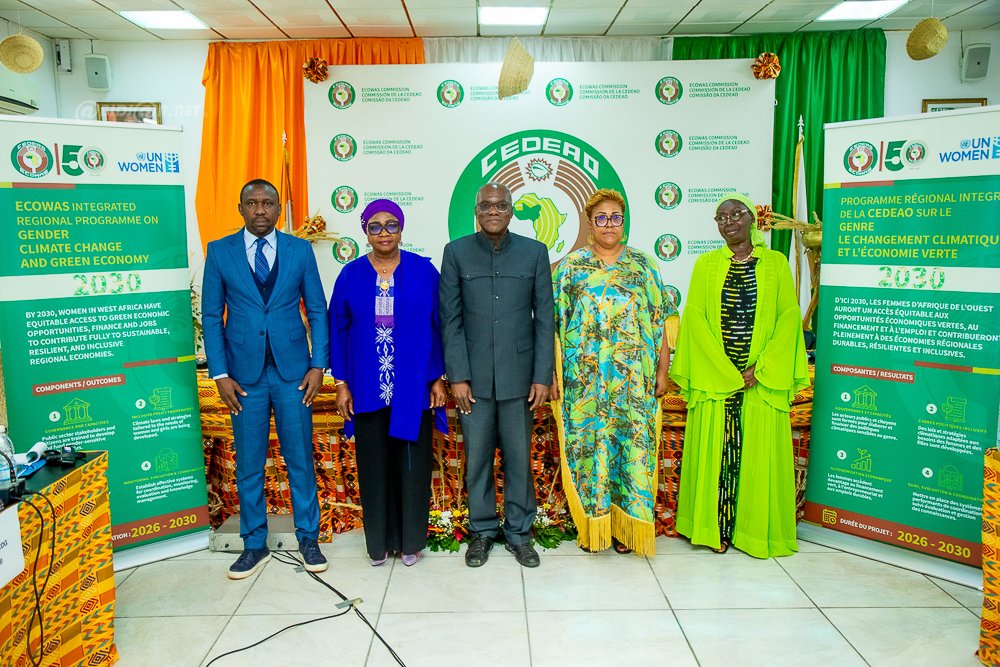
On Friday, May 15, 2026, Abidjan became the nexus for a critical regional workshop spearheaded by the Economic Community of West African States (ECOWAS). This two-day gathering brings together leading experts, regional bodies, and technical partners to address the intricate challenges of ecological transition across West Africa, with a specific focus on gender, climate change, and the burgeoning green economy.
The ECOWAS Centre for Gender Development (ECGD), supported by UN Women, organized this pivotal forum under the compelling theme: “Climate action and gender-responsive green transitions in West Africa.” Its primary objective is to forge the foundational elements of a comprehensive regional initiative, designed to amplify women’s engagement in environmental policy-making and harness the economic prospects inherent in the green sector.
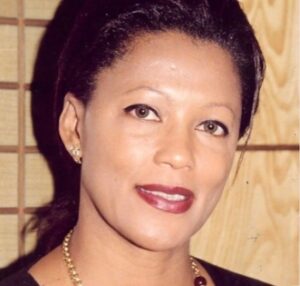
Opening the proceedings, Sandra Oulaté, Director of the ECGD, underscored the imperative for an inclusive strategy in confronting the profound impacts of climate change within the sub-region. She highlighted that women, particularly those in agricultural and rural communities, consistently bear a disproportionate burden from climate disruptions.
Looking ahead to 2030, the envisioned regional program is poised to significantly enhance women’s access to vital green financing, cultivate sustainable employment opportunities, and unlock economic avenues intrinsically linked to progressive environmental policies.
Speaking on behalf of the Minister Delegate for African Integration, Louis-Philippe Boni commended Côte d’Ivoire’s steadfast commitment to advancing both gender equality and environmental stewardship. He specifically cited national initiatives such as extensive reforestation programs, the drive towards energy transition, and efforts to boost women’s representation across various sectors.
Boni further advocated for intensified collaboration among ECOWAS member states. This strengthened partnership, he suggested, would be crucial for broadening women’s access to green financing mechanisms and ensuring their meaningful participation in regional climate initiatives.
By the conclusion of this workshop, participants are tasked with articulating the overarching framework for the regional program. This includes delineating its budgetary allocations, establishing operational modalities, and charting a clear roadmap for its implementation in the coming years.
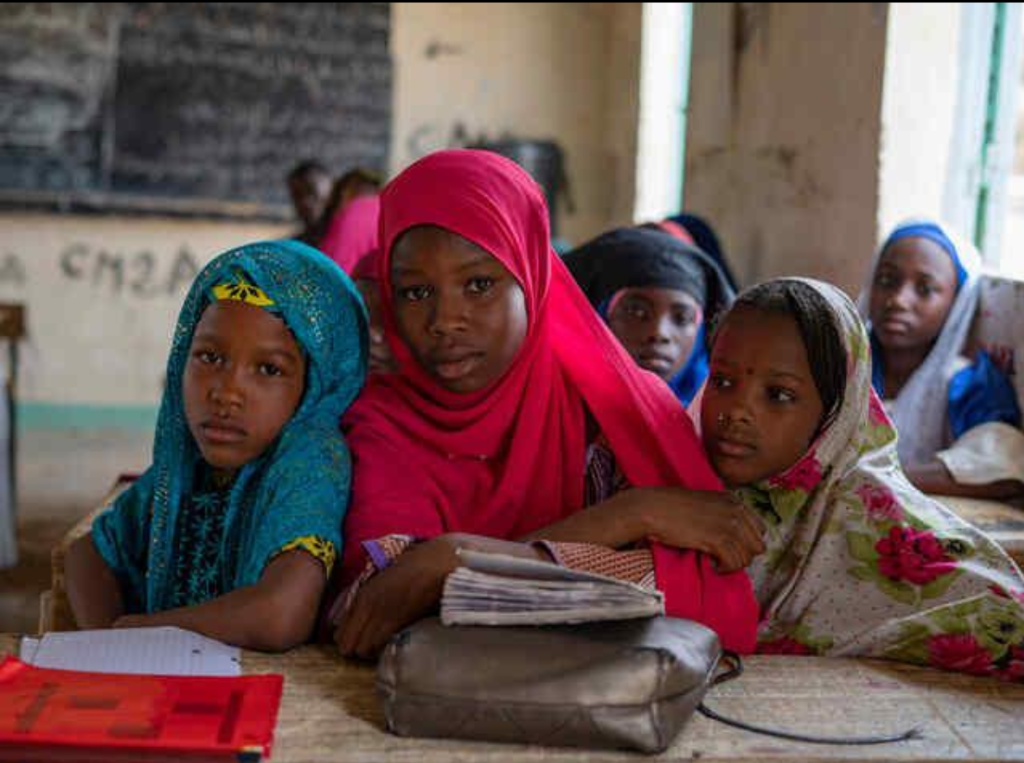
Dr. Namizata Binaté, representing the Ivorian Ministry of Women, Family and Child, drew particular attention to the devastating effects of droughts, floods, and land degradation on women residing in rural areas. She passionately called for greater inclusion of women in decision-making processes concerning climate policies.
This sentiment resonated with the ECOWAS Commission. Dr. Kalilou Sylla, Commissioner for Economic Affairs and Agriculture, reiterated the indispensable role women play in West Africa’s agricultural economy. He acknowledged, however, that they frequently encounter significant hurdles in accessing productive resources and essential financing.
Dr. Sylla asserted that fostering gender equality is a fundamental catalyst for constructing economies that are more robust and resilient in the face of escalating climate challenges.