Will mahamat idriss déby’s pardon ease political tensions in Chad
Will Mahamat Idriss Déby’s pardon ease political tensions in Chad?
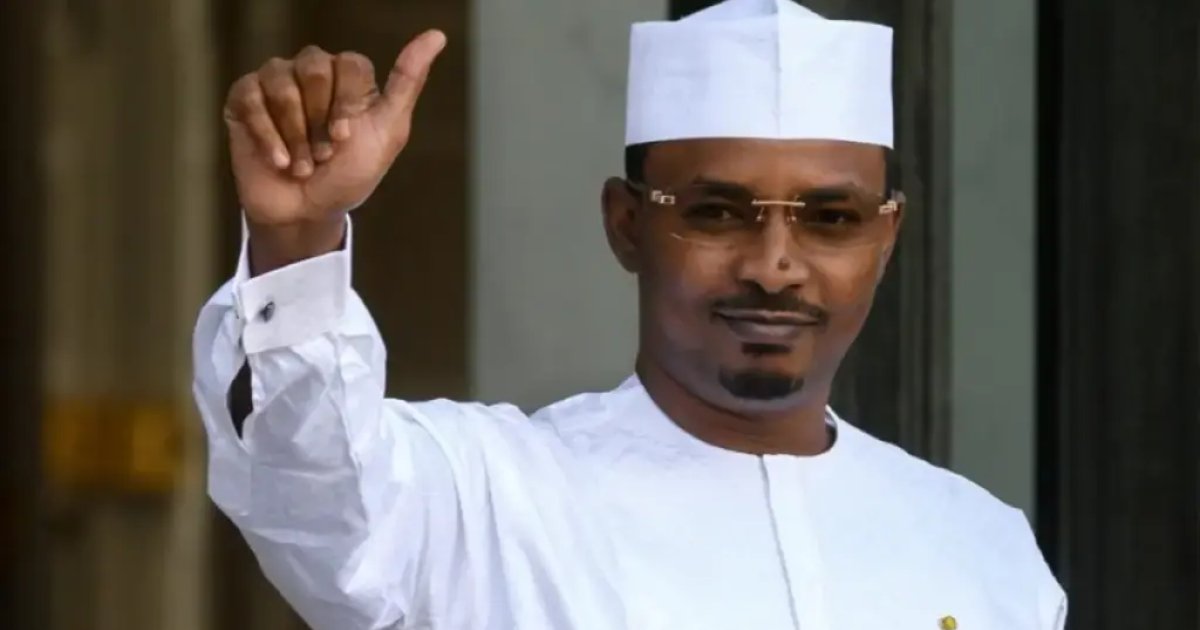
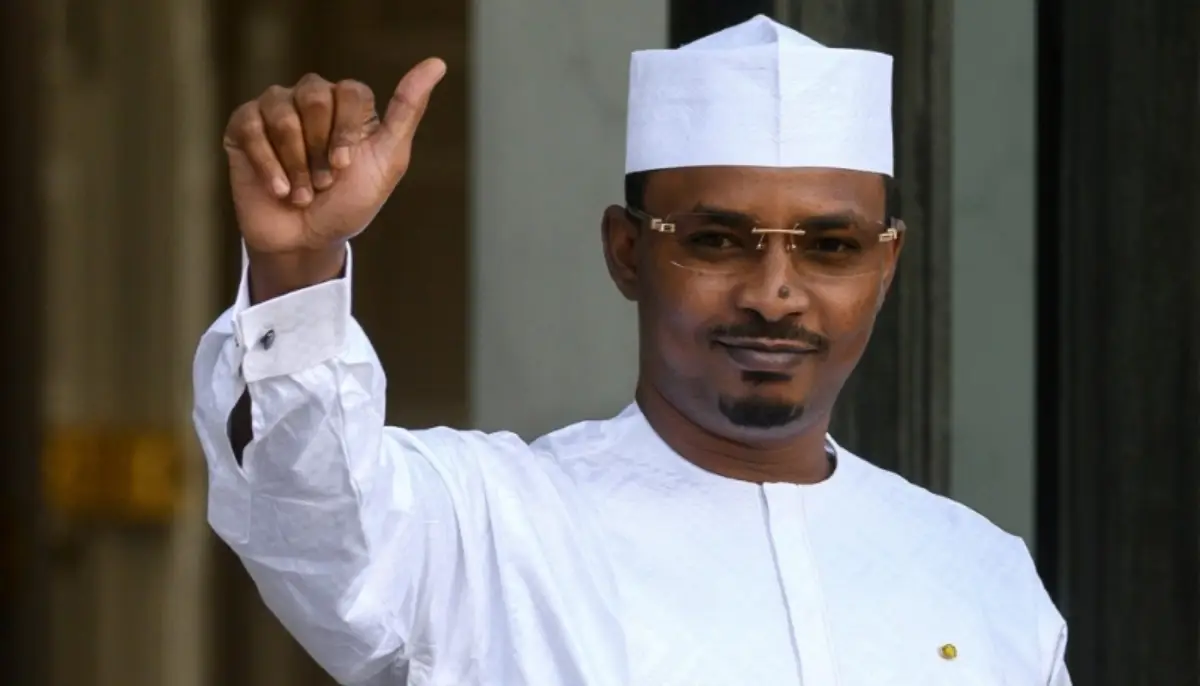
On the occasion of Chad’s 66th Independence Day, President Mahamat Idriss Déby Itno announced plans to exercise his presidential pardon for multiple convicted individuals. While the identities of those set to benefit remain undisclosed, the announcement has fueled speculation about the fate of prominent opposition figures, including former Prime Minister Succès Masra.
Succès Masra: the figure at the heart of expectations
Succès Masra, leader of the Transformers party and former Prime Minister, remains the most emblematic case. In August 2025, he was sentenced to 20 years in prison for his alleged role in intercommunal violence. The court found him guilty of spreading hateful and xenophobic messages, as well as complicity in murder.
His appeal was rejected by the Supreme Court on May 21, 2026, making his conviction final under Chadian law. This legal milestone paves the way for the possibility of a presidential pardon, a prospect that has been discussed for months.
However, the Transformers party has long advocated for an amnesty rather than a pardon. As early as January 2026, the party argued that amnesty would provide a broader political resolution to Masra’s case. The distinction is crucial: a pardon typically reduces or suspends a sentence without erasing the conviction, while amnesty can annul the legal consequences of the acts in question.
For Succès Masra, the choice between these two mechanisms could significantly impact his political future. A pardon would represent an immediate gesture of reconciliation, whereas amnesty could facilitate his full reintegration into political life. At this stage, it remains unclear whether he is among those targeted by the presidential announcement.
Other opposition figures under the spotlight
The Coalition for Saving Democracy in Chad (COSADT), formed in January 2026, has repeatedly called for the release of imprisoned opposition leaders and the initiation of a political dialogue with the government. These demands come amid escalating tensions between authorities and opposition forces, which the government attributes to institutional stability and adherence to legal procedures.
The political climate has been further complicated by Chad’s July 27, 2026 decision to withdraw from the Rome Statute of the International Criminal Court (ICC). While the withdrawal will only take effect a year after notification, opposition groups are urging the government to reconsider or abandon this move.
The upcoming presidential decree will reveal whether the announced pardon is merely a traditional clemency gesture tied to national celebrations or if it carries a deeper political significance. Should Succès Masra or other opposition figures be among the beneficiaries, the decision could mark one of the most significant gestures of reconciliation since the end of the political transition.