Why Serie A’s stringent cardiac exams derailed Khalaili’s Inter Milan transfer
Belgian club Union Saint-Gilloise’s Anan Khalaili failed additional medical tests in Milan, halting his move to Inter. Here’s why Italian football enforces some of Europe’s strictest cardiac screening protocols.
- Updated July 13, 2026

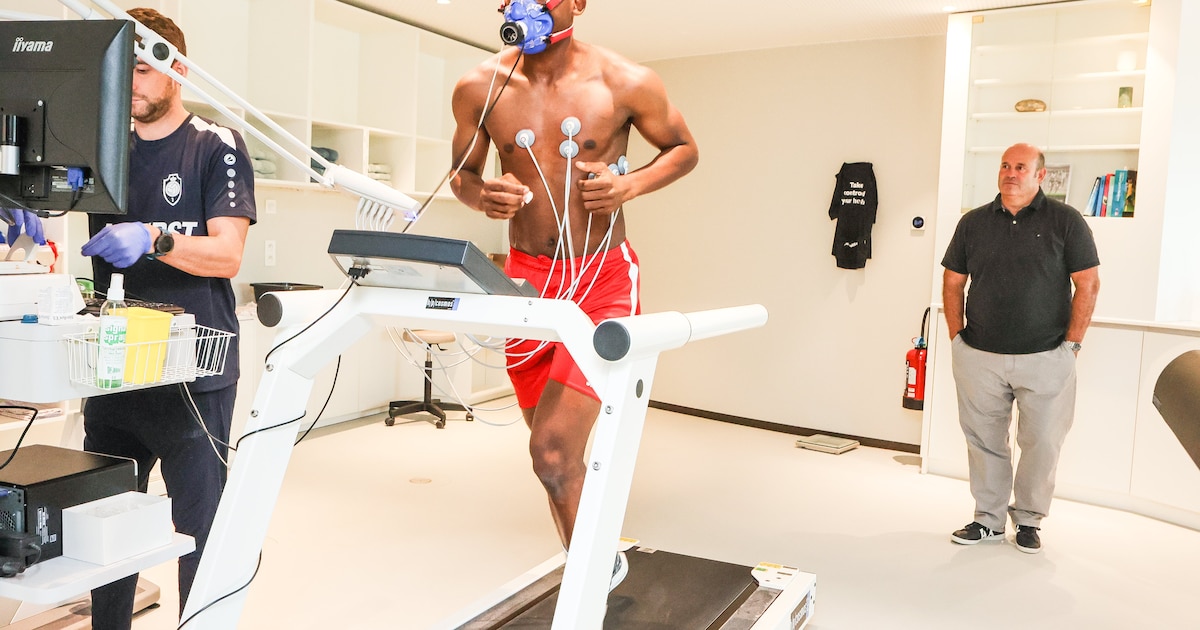
Anan Khalaili’s transfer to Inter Milan collapsed after the Israeli midfielder failed additional cardiac examinations in Milan. Following initial medical tests over the weekend, Khalaili underwent further evaluations at Humanitas Hospital in Rozzano on Monday—only to be declared unfit. While specific details remain undisclosed, the incident highlights Italy’s reputation for having Europe’s most rigorous cardiac screening standards in professional football.
Every professional footballer—whether signing a new contract or transferring—must complete mandatory medical assessments at an accredited sports medicine center. If any concerns arise, particularly regarding cardiac health, a specialist conducts deeper analysis. The outcome is binary: either full clearance or an absolute ban from competitive play.
No compromises in Italian football
Unlike some leagues where clubs or players may negotiate conditional clearances, Italian regulations leave no room for compromise. Final clearance is determined not by clubs or athletes but by an independent medical authority. This strict approach dates back to 1982, when Italy’s Ministry of Health designated specialized sports medicine centers. A 1995 decree further tightened protocols, introducing advanced cardiac screening, including echocardiograms and stress tests.
While our protocol’s severity may spark debate, notes Paolo Zeppilli, former professor of sports medicine and cardiologist for the Italian Football Federation, it reflects an ethical imperative. No athlete should risk sudden cardiac arrest on the pitch. Frankly, other leagues should adopt stricter standards.
Case studies: Bove and Eriksen
Italian football’s cardiac protocols proved decisive in two high-profile cases. Edoardo Bove, an Italian midfielder, and Danish star Christian Eriksen both received implantable defibrillators after suffering cardiac arrests during Serie A matches and Euro 2021, respectively. Neither player could resume their careers in Italy, though Eriksen later restarted his in England, where regulations differ. However, Eriksen faced another cardiac episode in June while playing for Denmark.

François Mvondo
Journalist