Why political truce is vital for Senegal’s economic revival
The dawn of a new political era in Senegal brought fresh hope for economic recovery after years of instability triggered by pre-electoral tensions. Initiatives like the Senegal 2050 Agenda and the Economic and Social Recovery Plan (PRES), launched in October 2024 and August 2025 respectively, signaled a clear commitment to socio-economic development.
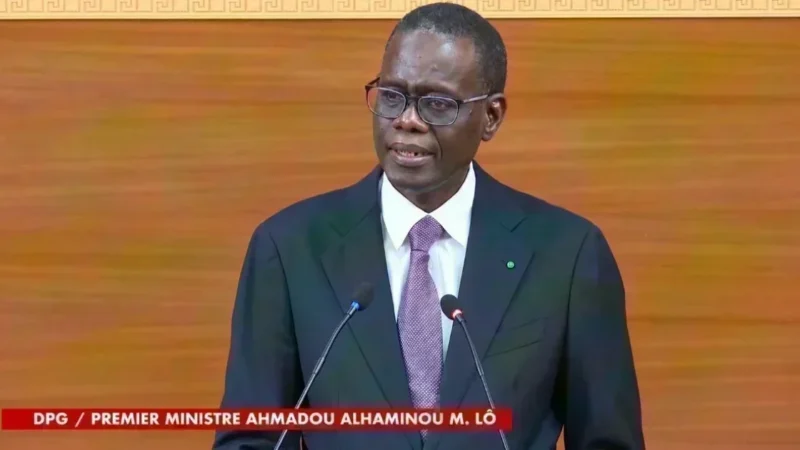
Yet, nearly three years into this transition, optimism is fading. The national discourse has shifted from economic revival to political infighting, with partisan clashes overshadowing substantive policy discussions. The early mobilization of political camps for the 2029 elections raises concerns about governance priorities. Despite structural changes, including leadership adjustments at the Prime Minister’s office, tangible progress remains elusive. As the saying goes, breaking a thermometer does not cure a fever.
Broken Promises and Economic Stagnation
The political divide has deepened, with the presidential camp consolidating its base through initiatives like the Kiiraye party, while opposition groups like PASTEF tighten their ranks in anticipation of 2029. Amid this polarization, economic priorities continue to take a backseat. The West African Economic and Monetary Union (UEMOA)’s latest data underscores this struggle: Senegal ranks among the least dynamic economies, with a first-quarter 2026 GDP growth of just 4.7%. This marks a sharp decline from its 2025 performance of 7.8% and represents the largest drop among UEMOA member states.
Compounding these challenges is a dramatic plunge in foreign direct investment (FDI), plummeting from $3.319 billion in 2024 to a mere $37 million in 2025. These figures highlight the urgency of reversing the trend to restore Senegal’s position as the UEMOA’s economic leader.
Three Pillars for Economic Revival
To reignite growth, policymakers must prioritize three critical levers:
1. Restoring Investor Confidence
A new agreement with the International Monetary Fund (IMF) would not only unlock financial resources but also signal credibility to global markets and rating agencies. The country’s current struggle to secure favorable financing terms stems from perceived high risks—a challenge that demands a robust nation branding strategy to showcase Senegal’s economic strengths and investment opportunities.
2. Empowering the Private Sector
The private sector must become the engine of growth. This requires easing access to financing, streamlining administrative procedures, and fostering public-private partnerships. Key sectors like infrastructure, energy, agriculture, industry, digital technology, transport, and logistics should be prioritized to drive broader economic transformation.
3. Rationalizing Public Resources
With limited fiscal flexibility, the government must optimize public spending. The much-anticipated merger of agencies and support structures has yet to materialize, despite pledges to reduce state expenditure under the PRES. Time is of the essence.
A Call for Political Truce
The path forward demands a political truce to refocus national priorities on economic revival. While Senegal remains mired in internal conflicts, neighboring UEMOA economies are advancing reforms and strengthening their growth trajectories. The window to reclaim Senegal’s economic leadership is narrowing—urgent, decisive action is now imperative.