Togo constitution crisis: 43 civil society groups demand tough sanctions from ECOWAS and African Union
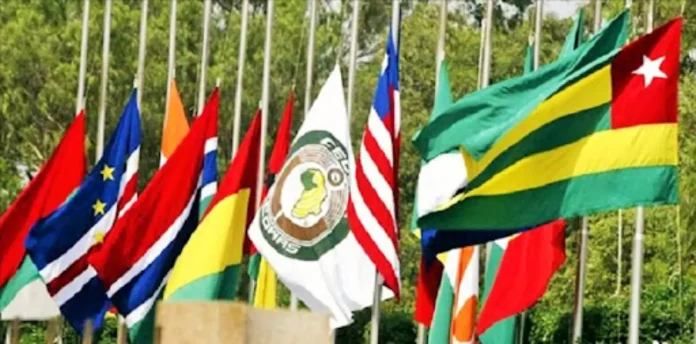
The political turmoil in Togo has escalated into an international dispute, with 43 civil society organizations (CSOs) from across Africa and the diaspora rallying for decisive action against Lomé’s government. In a joint open letter, these groups are calling on ECOWAS, the African Union, and the United Nations to impose sanctions following a landmark ruling by the ECOWAS Community Court of Justice.
The court’s decision, delivered in March 2024, declared Togo’s constitutional reform a « unconstitutional change of government, » violating the African Charter on Democracy, Elections, and Governance. This verdict has intensified diplomatic and civic pressure on the Togolese administration to reverse its controversial institutional changes.
At the heart of the controversy is the transition from a presidential to a parliamentary system, where executive power would shift to a Council President—what critics label an « institutional hijack » to bypass term limits. The reform was rammed through by lawmakers whose mandates had already expired, without any public referendum or broader consultation.
Five concrete sanctions demanded against Lomé
The coalition of CSOs is not stopping at criticism. To prevent similar constitutional circumventions in West Africa, they are urging ECOWAS and the African Union to move from rhetoric to action with five targeted measures:
- Immediate suspension of Togo from ECOWAS decision-making bodies;
- Loss of voting rights and participation in African Union affairs;
- Launch of legal proceedings against architects of the institutional overhaul;
- Review of diplomatic appointments for officials linked to the current regime;
- Appointment of a UN Special Rapporteur to monitor human rights and governance in Togo.
Lomé fires back: sovereignty trumps external interference
The Togolese government has dismissed the court’s ruling and the mounting international pressure. In an official statement, authorities argued that the ECOWAS court lacks jurisdiction to review internal constitutional matters or judge the sovereign power of member states. They maintain that the shift to the Fifth Republic is purely a national affair aimed at modernizing state institutions.
The standoff underscores a deeper regional debate: can supranational bodies intervene when member states amend constitutions in ways that critics argue undermine democratic norms? For now, the ball is in the court of ECOWAS and the African Union to decide whether to heed the civil society’s demands—or risk setting a precedent that could embolden similar maneuvers elsewhere in West Africa.