Vandalism at Gabon’s Media Regulator Raises Alarms on Public Institution Safety
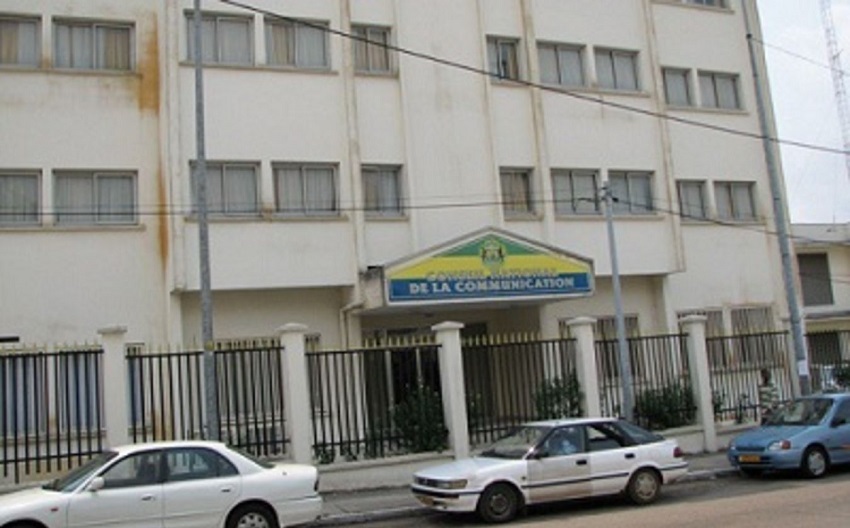
Libreville, June 3, 2026 – The recent vandalism at the headquarters of Gabon’s media regulator has thrust the issue of public institution security into the spotlight, raising serious questions about the protection of vital democratic bodies.
The incident, which saw four advisor offices forcibly entered and ransacked, transcends mere property damage. It strikes at the heart of the safeguarding of institutions responsible for overseeing public discourse, media regulation, and the integrity of state operations. In an era where information governance and media oversight are increasingly pivotal to societal stability, any attack on a regulatory authority carries amplified significance.
Investigations reveal that unauthorized individuals breached multiple office spaces by forcing entry points. While the full extent of the damage remains under assessment, the method of intrusion—defaced doors and forced openings—suggests premeditated and targeted action.
At this juncture, authorities have not disclosed the precise nature of the intrusion or whether sensitive materials were compromised. The lack of official details underscores the need for a thorough forensic examination to determine the motives behind the act.
An institution at the crossroads of democracy
The Haute Autorité de la Communication (HAC) occupies a central role in Gabon’s institutional framework. Tasked with enforcing media ethics, broadcast standards, and public communication guidelines, its mandate intersects with core democratic principles: freedom of expression, editorial responsibility, and public order. Any disruption to its operations, therefore, carries implications that extend beyond physical damage.
Though no direct link has been established between the vandalism and the HAC’s regulatory functions, the event has spotlighted the urgent need to fortify the security of institutions entrusted with safeguarding the republic’s values.
Institutional security under scrutiny
A troubling aspect of this case is the apparent ease with which intruders accessed upper floors and multiple offices. This raises immediate concerns about the robustness of security protocols in public administration buildings. The incident does not merely reflect material loss; it challenges the state’s capacity to shield critical infrastructure from harm.
In democratic societies worldwide, regulatory bodies often benefit from enhanced protection due to the sensitivity of their work and the confidential nature of the information they handle. The breach in Libreville underscores a universal truth: administrative security is not a logistical concern but a cornerstone of public trust and institutional continuity.
Unanswered questions and emerging theories
Multiple scenarios could explain the vandalism. Was it an act of random destruction, a targeted theft, or an attempt to access classified documents or equipment? Without official disclosures on what was stolen or compromised, speculations remain unconfirmed.
The thoroughness of the ongoing investigation will be critical in uncovering the perpetrators’ motives, methods, and any systemic vulnerabilities that enabled their intrusion. Only a transparent inquiry can restore confidence in the integrity of the HAC’s operations.
A call to action for public institutions
Beyond the HAC, this incident serves as a cautionary tale for all public bodies. As governments digitize records and manage increasingly sensitive data, securing workspaces has become a strategic imperative. Protecting institutions is not just about preserving state assets—it’s about defending the continuity of governance, public trust, and the rule of law.
The forthcoming findings of the investigation must not only identify those responsible but also guide reforms to prevent future breaches. A resilient state is one that ensures its institutions can fulfill their mandates without fear of sabotage or intrusion.
When an authority tasked with upholding democratic norms becomes a target, the message is clear: the security of public institutions is not negotiable. It demands constant vigilance, innovative safeguards, and an unwavering commitment to transparency.