West African leaders pivot toward urgent diplomacy to bridge AES-CEDEAO divide
As security threats intensify across the Sahel, West African nations are racing to restore functional dialogue between the Economic Community of West African States (ECOWAS) and the Alliance of Sahel States (AES). The push reflects a pragmatic shift—prioritizing shared security challenges over lingering political tensions.

Diplomatic overtures signal shift toward cooperation
The past weeks have seen a flurry of diplomatic maneuvers aimed at reopening channels of communication between ECOWAS member states and the AES nations—Mali, Burkina Faso, and Niger. At the heart of these efforts lies a shared recognition: no single nation can combat terrorism alone. The push for harmonized security policies and pooled resources has taken center stage, even as deep-seated mistrust lingers.
Key to this emerging détente is the tacit agreement among involved parties to sidestep contentious issues—specifically, the withdrawal of AES states from ECOWAS and the hostile rhetoric that has characterized public exchanges. The goal is clear: set aside pride and grievances to confront the region’s most pressing threats.
Côte d’Ivoire extends olive branch to Sahel neighbors
One of the most significant gestures came from Côte d’Ivoire, where Defense Minister Tene Birahima Ouattara declared the country “sincerely ready” to resume security cooperation with Mali and Burkina Faso. Speaking on June 15, he emphasized the futility of unilateral action against terrorism, stating that collaboration and force-sharing are essential. His remarks underscore a growing consensus: the Sahel’s security crisis could soon spiral beyond control if left unaddressed.
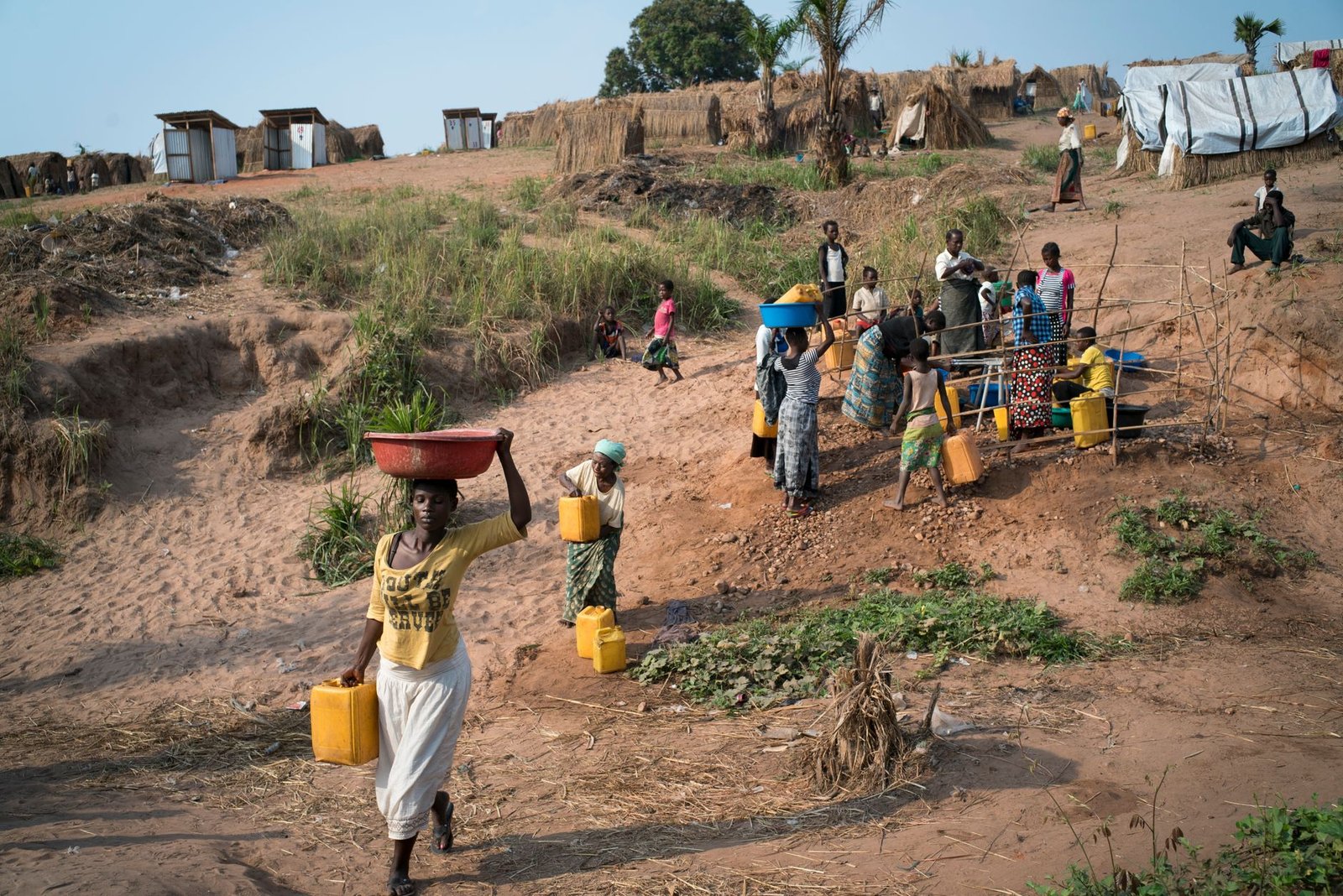
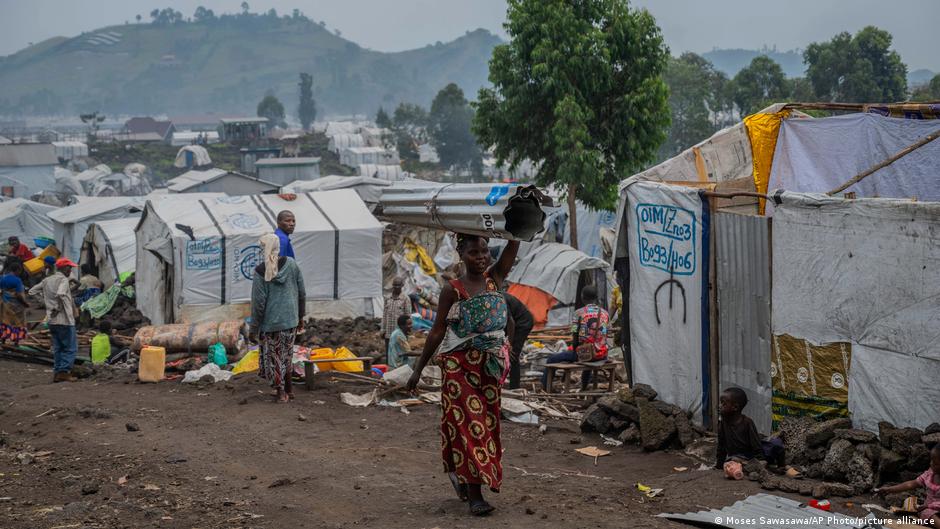
Yet the path forward remains uncertain. While Ouattara’s overture signals willingness, the AES leadership faces internal pressures—particularly the entrenched narrative portraying Côte d’Ivoire as a sponsor of terrorism, allegedly funded by foreign powers. Despite these baseless accusations (never substantiated), the Ivorian government continues to host thousands of refugees from Mali and Burkina Faso, maintaining discreet but functional cooperation channels.
Bénin and Niger chart course for reconciliation
Bénin has taken bold steps to mend ties with Niger, following a year of frozen relations after Niamey’s 2023 coup. President Romuald Wadagni’s arrival in office marked a turning point, culminating in a landmark meeting of Nigerian and Beninese experts in Cotonou on June 20–21. The talks focused on defense, border security, and the critical issue of reopening their shared frontier—a lifeline for regional trade.
Niger’s delegation raised concerns about alleged foreign military presence along the border, echoing Niamey’s long-standing but unfounded claims that Bénin harbors a “French military base” aimed at destabilizing Niger. Such accusations defy logic: Bénin itself faces relentless terrorist attacks, making the notion of it funding extremism absurd. Yet these narratives have become routine for AES regimes, distracting from their failure to curb insurgent expansion in their own territories.
Niger’s Interior Minister Mohamed Toumba struck an optimistic note, declaring that “a new era” has dawned for Bénin and Niger. “Choosing dialogue over confrontation has created value for our economies and security for our people,” he stated. The message is clear: shared vulnerabilities demand shared solutions.
Toward pragmatic regional solutions
Diplomatic normalization between ECOWAS and AES is expected to gain momentum in the coming months. These efforts not only revive long-standing regional partnerships but also highlight the urgency of homegrown responses to the Sahel’s security equation. Last year, UN Secretary-General António Guterres called for renewed dialogue among all West African states, while Russia—an AES ally—urged pragmatic engagement between the two blocs to tackle terrorism collectively.
Already, bilateral protocols are emerging between AES and other West African nations like Ghana, Guinea, Togo, and Senegal. Despite their ECOWAS withdrawal, Sahelian military regimes remain part of the West African Economic and Monetary Union (WAEMU), and their citizens still benefit from free movement within the bloc. This paradox raises a critical question: was the AES’s departure from ECOWAS justified? The answer lies in the original dispute—ECOWAS’s condemnation of coups in AES states and their refusal to restore constitutional order. In many ways, the rift resembles an unfinished and artificial divorce.
What lies ahead
The coming months will test whether West African leaders can sustain this diplomatic momentum. Success hinges on their ability to prioritize collective survival over political score-settling—a challenge that grows more urgent as terrorist groups carve out ungoverned spaces across the Sahel.