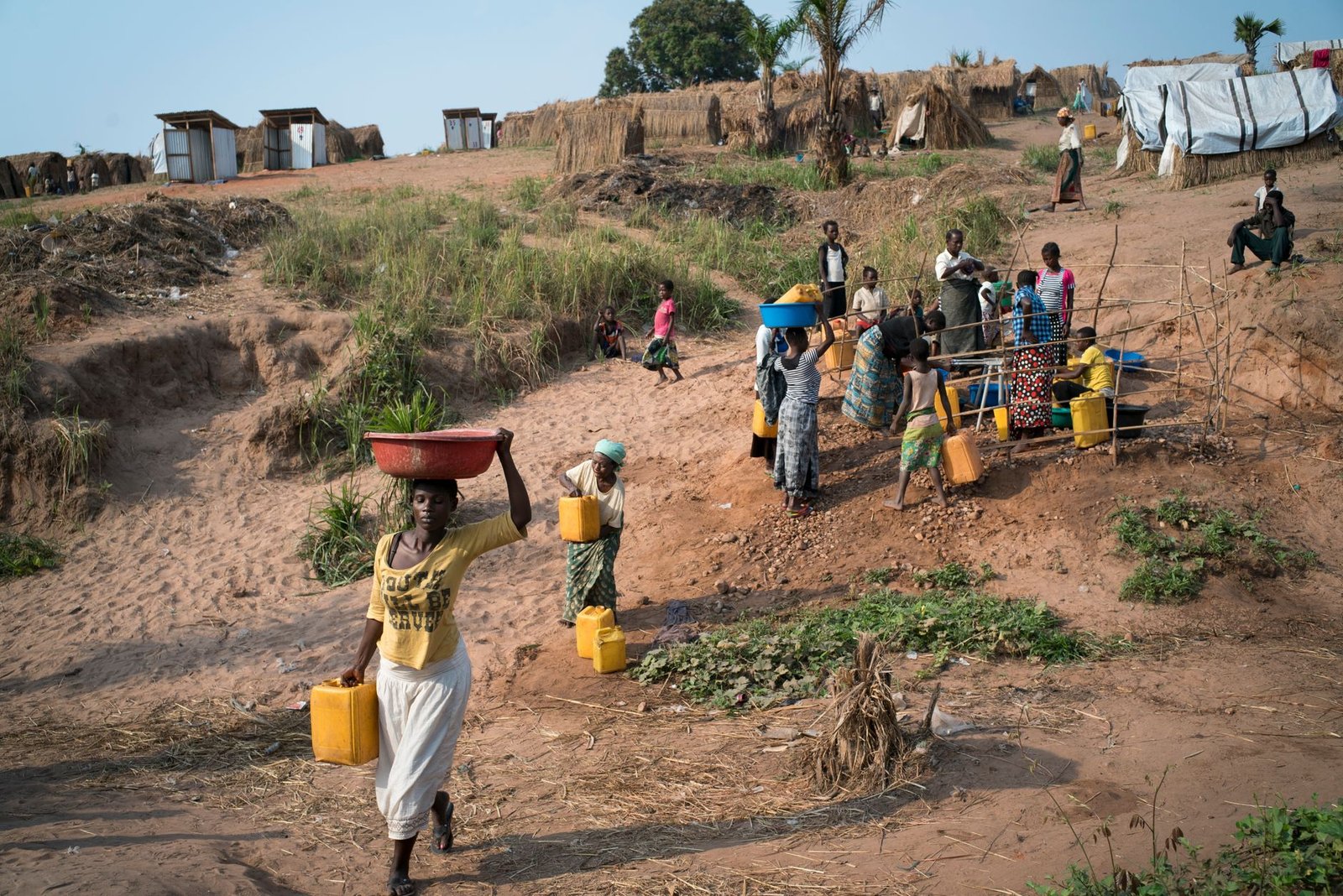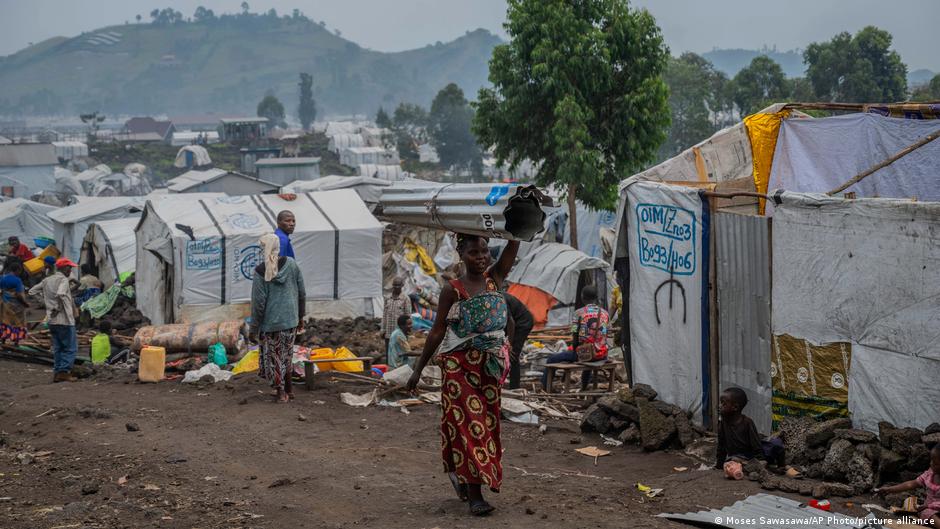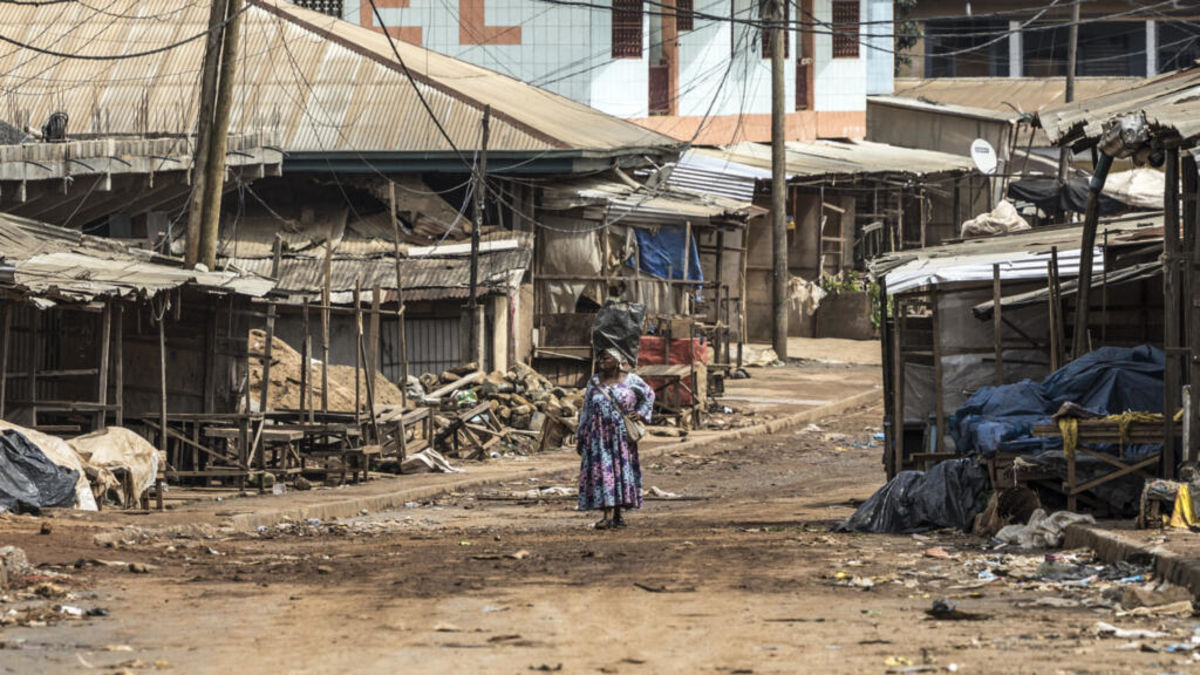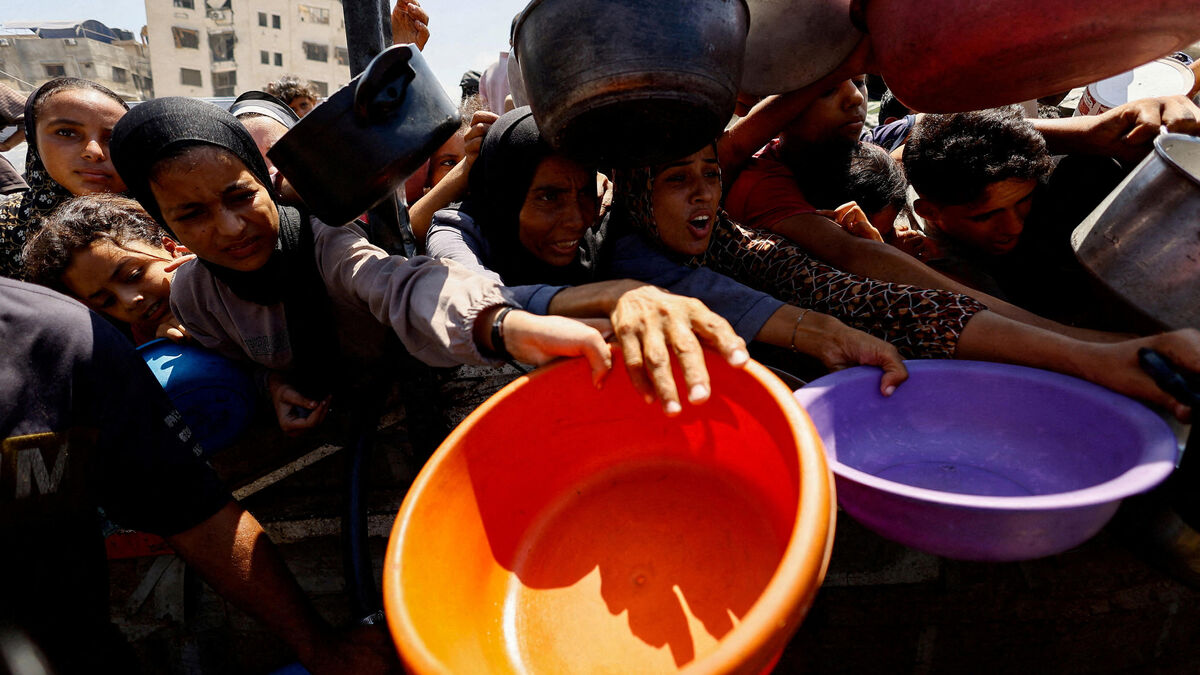
The United Nations has raised the alarm over a worsening hunger crisis in 16 critical regions worldwide, where millions face imminent famine risks. Conflicts, economic shocks, and extreme weather events are pushing these areas to the brink of catastrophe.
countries facing the most severe food insecurity
Among the hardest-hit nations are Haiti, Mali, Palestine, South Sudan, Sudan, and Yemen, where populations are at immediate risk of catastrophic famine, according to a joint report from the UN’s Food and Agriculture Organization (FAO) and World Food Programme (WFP).
Other regions classified as “very concerning” include Afghanistan, the Democratic Republic of the Congo, Myanmar, Nigeria, Somalia, Syria, Burkina Faso, Chad, Kenya, and Rohingya refugees in Bangladesh.
underlying causes of the crisis
- Ongoing conflicts disrupt food production and supply chains.
- Economic instability limits access to essential resources.
- Extreme weather events destroy crops and livestock.
- Severe funding shortages hinder humanitarian aid efforts.
humanitarian aid on the brink of collapse
The FAO and WFP warn that the funding gap for vulnerable populations is dangerously wide. Of the $29 billion needed to support those at risk, only $10.5 billion has been secured, leaving food aid programs critically underfunded.
As a result, the WFP has been forced to reduce food assistance to refugees and displaced persons, while the FAO has suspended school feeding programs in several countries. Agricultural livelihoods and livestock health services are also at risk due to insufficient funding.
a call for urgent action
“We are on the edge of a completely preventable food catastrophe that could lead to widespread famine,” warned Cindy McCain, WFP’s Executive Director. She emphasized that inaction will only deepen global instability.
“Preventing famine is not just a moral obligation—it’s a smart investment in long-term peace and stability,” stated Qu Dongyu, FAO’s Director-General.