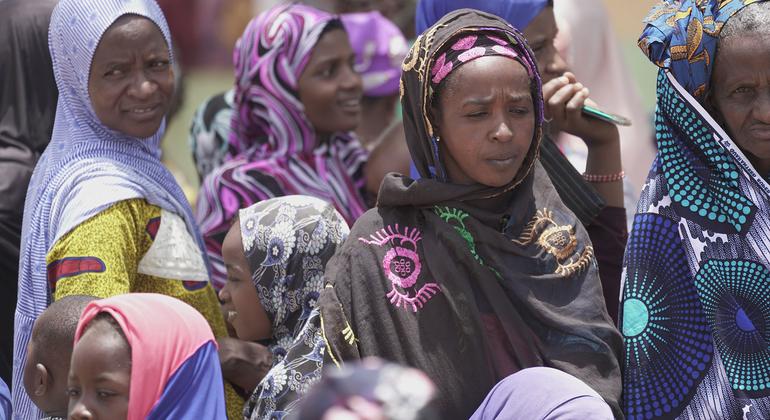
Independent UN investigators have reported widespread human rights abuses targeting the Fulani community in Burkina Faso. These violations, encompassing extrajudicial killings, torture, arbitrary detentions, kidnappings, and enforced disappearances, are escalating during military and security operations against jihadist groups across the Sahel region, revealing a pervasive climate of repression and targeted violence.
The United Nations Committee on the Elimination of Racial Discrimination (CERD) has expressed profound alarm regarding serious abuses committed against the Fulani people in Burkina Faso.
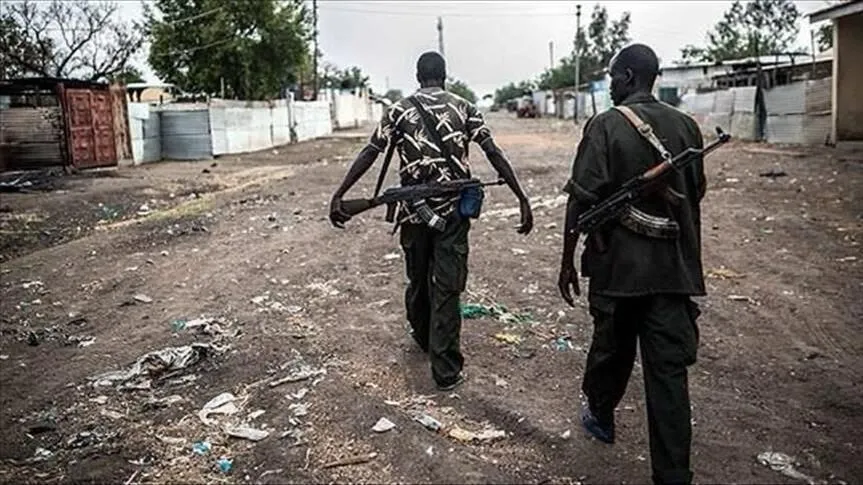
“These violations are reportedly often carried out by national armed forces, internal security personnel, and their auxiliaries, notably the Volunteers for the Defense of the Homeland (VDP), alongside non-state armed groups,” the Committee detailed in its final observations document following Ouagadougou’s report presented on April 22nd and 23rd in Geneva.
Independent experts also voiced concern over the “ethnic profiling” targeting the Fulani by defense and security forces, the Volunteers for the Defense of the Homeland, and members of the Civic Brigade for Order and Discipline (known as “Brigade Laabal”).
The Committee expressed apprehension that these severe human rights violations against the Fulani are frequently linked to their alleged association with terrorist organizations, a critical issue for the broader security Sahel.
a climate of hatred and ethnic profiling
This stigmatization has fostered a climate of hatred and discriminatory rhetoric, manifesting as calls for violence and messages inciting crimes against the Fulani, particularly across social media platforms. The Committee specifically highlighted these online messages, which reportedly encourage “the commission of criminal acts, including murder, against members of this group, thereby contributing to the occurrence of racist attacks and hate crimes.” This situation underscores the urgent need for a robust humanitarian Sahel response.
Such hateful discourse and incitement to violence underscore the urgent need for state intervention to prevent further abuses, a key aspect of stable political Sahel governance.
Consequently, the Committee urges Ouagadougou to promptly initiate thorough, independent, and impartial investigations into all violations attributed to defense and security forces and their auxiliaries. It insists that those responsible be prosecuted, tried, and appropriately sanctioned.
Beyond punitive measures, the Committee also emphasizes the imperative for legal and preventive actions to avert all forms of ethnic or racial discrimination. It recommends that the Burkinabè state explicitly enshrine the prohibition of racial or ethnic profiling within its legislation, with a definition aligned with international standards.
The Committee highlighted the significance of precise and binding operational guidelines for police and law enforcement agencies to prevent profiling during identity checks, public order interventions, or military and security operations. This is vital for maintaining trust and order in the region, as often reported in West Africa Sahel news.
Ouagadougou rejects accusations
The release of these final observations and recommendations from the Committee comes as Burkina Faso defends itself against these allegations, asserting that its security operations adhere to legal frameworks and do not target any specific community. This ongoing debate is a significant part of current Sahel news English coverage.
According to Ambassador Sabine Bakyono Kanzie, Burkina Faso’s Permanent Representative to the United Nations Office in Geneva, the fight against terrorism is not directed at any community. She stated, “It is conducted in strict compliance with national laws and Burkina Faso’s international human rights commitments.”
She further contested claims of ethnic profiling, deeming them inaccurate reflections of reality. Ouagadougou maintains that security operations are conducted without discrimination and with full respect for human rights.
The Burkinabè delegation emphasized the presence of complaint mechanisms, community policing initiatives, and training modules for defense and security forces designed to prevent any form of stigmatization. They also highlighted that this diversity is reflected at the highest echelons of the state and defense forces, confirming the inclusion of representatives from various communities, including the Fulani. This commitment aligns with the broader goals of a positive Sahel Vision for the region.