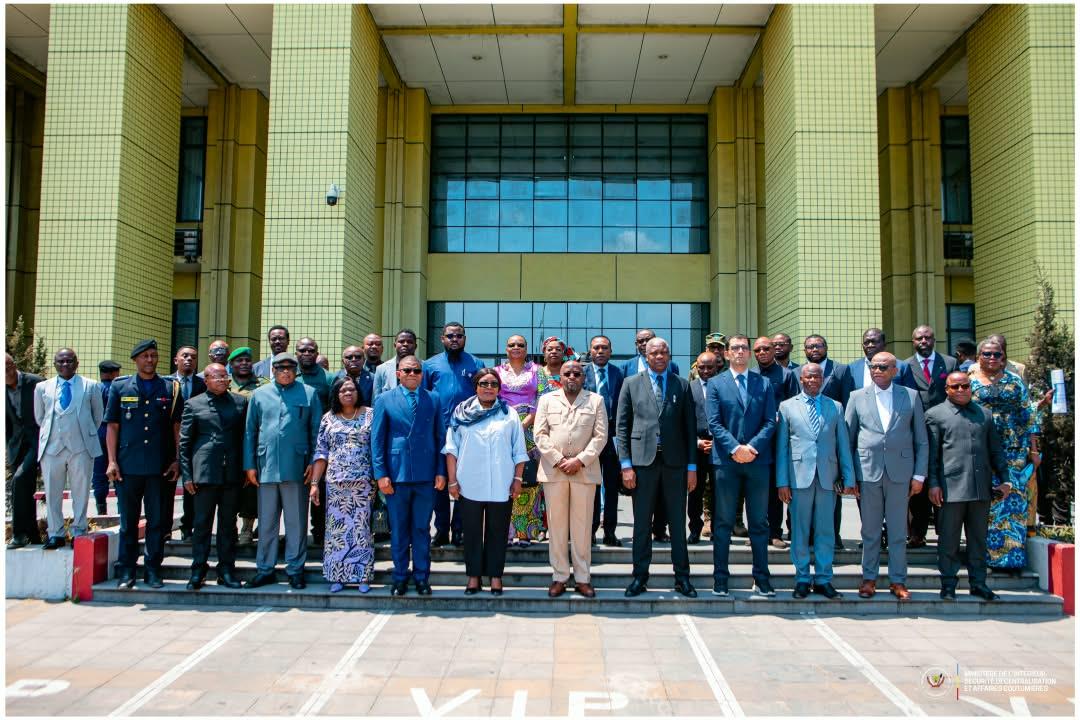
In a high-profile gathering held in Lomé this past Saturday, Togo unveiled a comprehensive security and geopolitical roadmap designed specifically for the Sahel region. This summit served as a rare meeting point for delegates from the Economic Community of West African States (ECOWAS) and the Alliance of Sahel States (AES), alongside international observers from the European Union and France.
The primary goal of this initiative is to reopen channels of communication with the leadership in Mali, Niger, and Burkina Faso. These nations have recently pivoted away from traditional Western alliances and ECOWAS, choosing instead to strengthen ties with Russia.
A vision for regional mediation
Robert Dussey, the Togolese Minister of Foreign Affairs, emphasized his country’s commitment to regional harmony. He stated that Togo is prepared to utilize its diplomatic experience and local presence to function as a vital connector between the Sahel and the global community.
The Togo strategy for the 2026-2028 period is built upon five foundational elements:
- Active political engagement with the AES member states.
- Enhanced cooperation on both regional and global levels.
- A dedicated approach to combating terrorism.
- The promotion of stronger economic ties within the region.
Security challenges and local reactions
Representatives from the Alliance of Sahel States expressed a positive outlook on the proposal. However, Abdoulaye Diop, the Foreign Minister of Mali, highlighted a critical condition for success: the cessation of support for foreign entities that seek to undermine or destabilize neighboring governments.
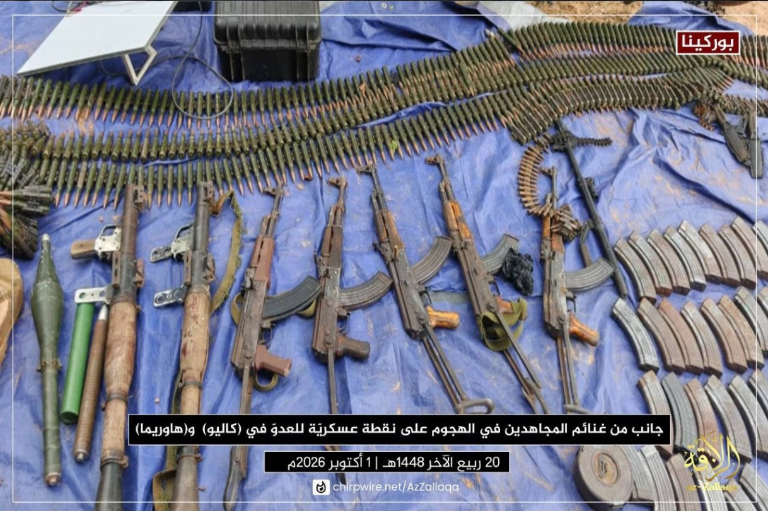
The urgency of this diplomatic effort is underscored by the escalating threat of extremist groups affiliated with Al-Qaeda and the Islamic State. These insurgencies have already caused significant loss of life in the Sahel and are increasingly threatening coastal nations, including Togo and Bénin.