The recurrence of the rainy season in Togo brings with it a familiar cycle of hardship: inundated roads, submerged neighborhoods, and homes overwhelmed by floodwaters. For countless citizens, these events are no longer anomalies but an entrenched reality they are forced to endure each year.
Economic struggles and unmet promises
More than six decades under the leadership of the Gnassingbé family have left many Togolese yearning for a shift in governance. Despite repeated assurances over the years, fundamental challenges persist—soaring unemployment, escalating living costs, entrenched poverty, and bleak prospects, particularly for the youth. The arrival of the rains only serves to amplify these grievances, exposing the fragility of the nation’s infrastructure.
Infrastructure failures and public discontent
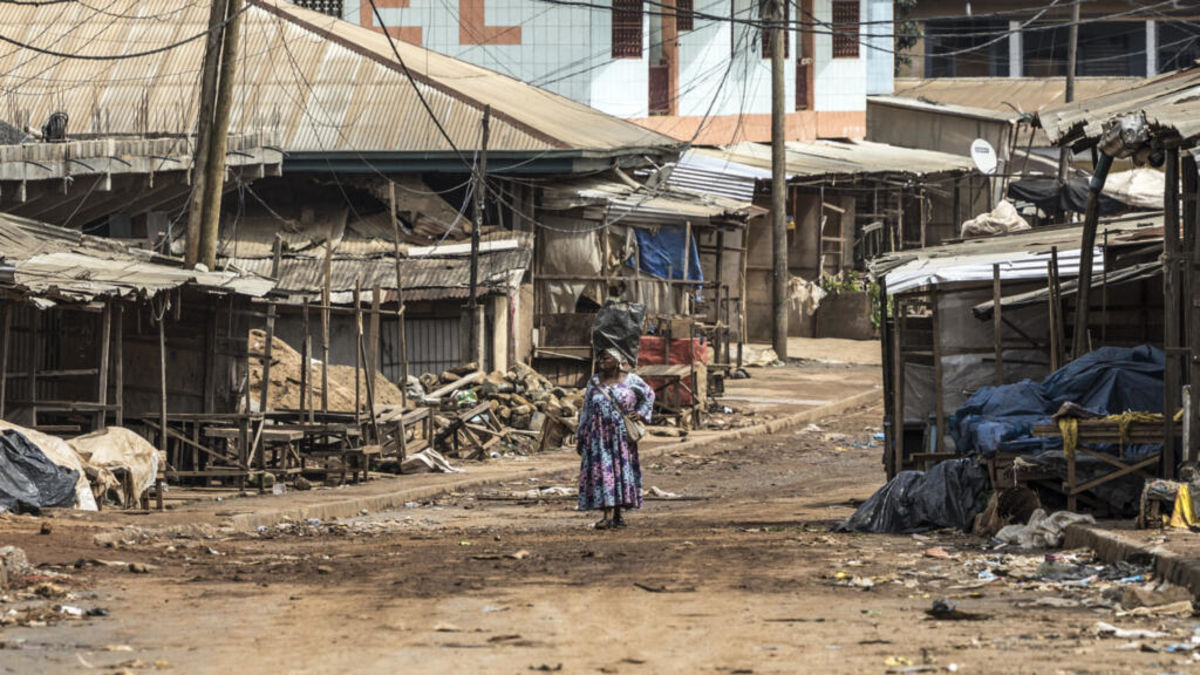
In numerous urban areas, drainage systems remain inadequate, roads deteriorate rapidly, and flooding results in substantial material losses. Citizens increasingly criticize the lack of sustainable investments in public infrastructure capable of mitigating these recurring disasters. The frustration extends beyond environmental concerns, as many argue that public resources are disproportionately allocated to benefit a select few aligned with the ruling establishment, rather than addressing the pressing needs of the broader population.
The opposition and civil society groups contend that governance priorities must shift toward uplifting living conditions, enhancing infrastructure, fostering employment, and safeguarding vulnerable communities. Their calls for reform grow louder as the shortcomings of current policies become ever more apparent with each passing rainy season.
Anticipating the consequences of inaction
Observers warn that this year’s rainy season may once again underscore the government’s failure to implement meaningful urban planning and risk prevention strategies. Without decisive reforms and targeted investments, the burden of these failures will continue to fall disproportionately on the most disadvantaged households.
As frustration mounts, an increasing number of citizens believe that Togo requires a transformative approach to governance—one that aligns more closely with the pressing social, economic, and environmental demands of its people.