Tchad urged to unite against rising intercommunal violence
The Minister of Public Security calls for collective action to address intercommunal conflicts, emphasizing a comprehensive strategy and the engagement of all social actors.
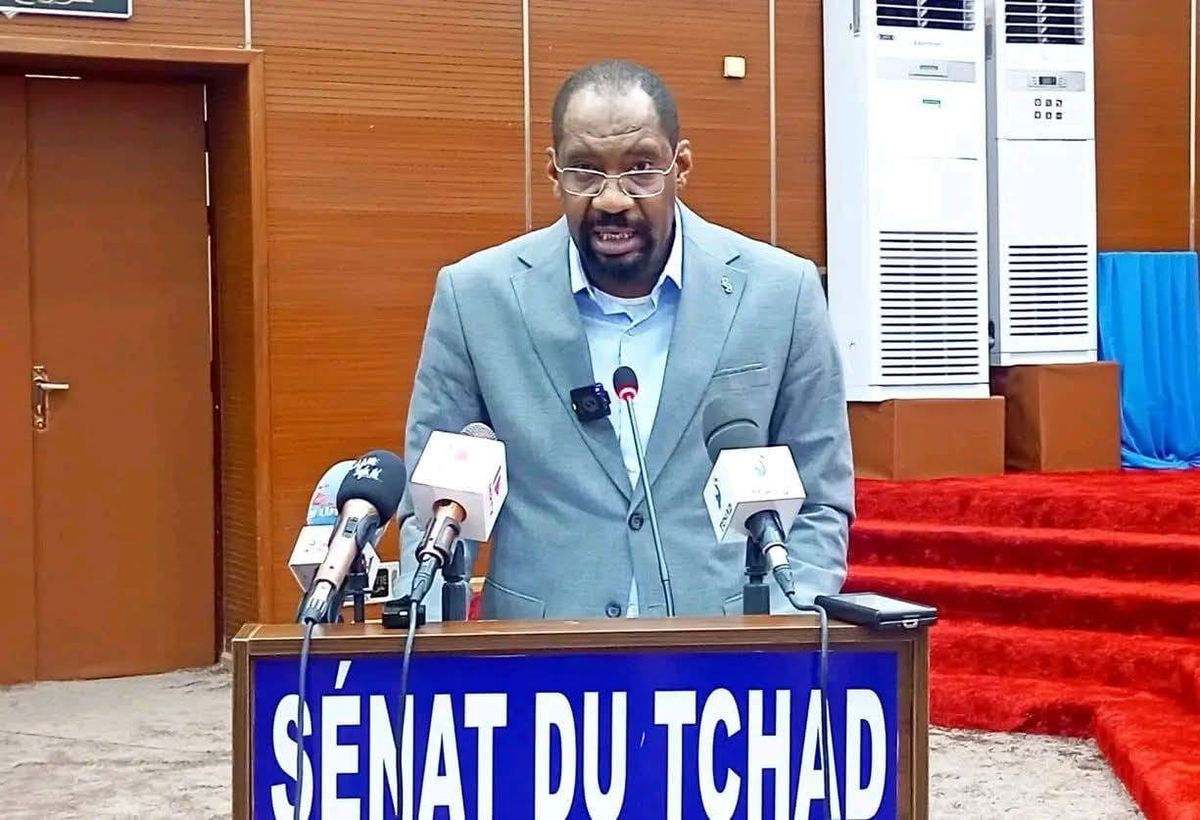
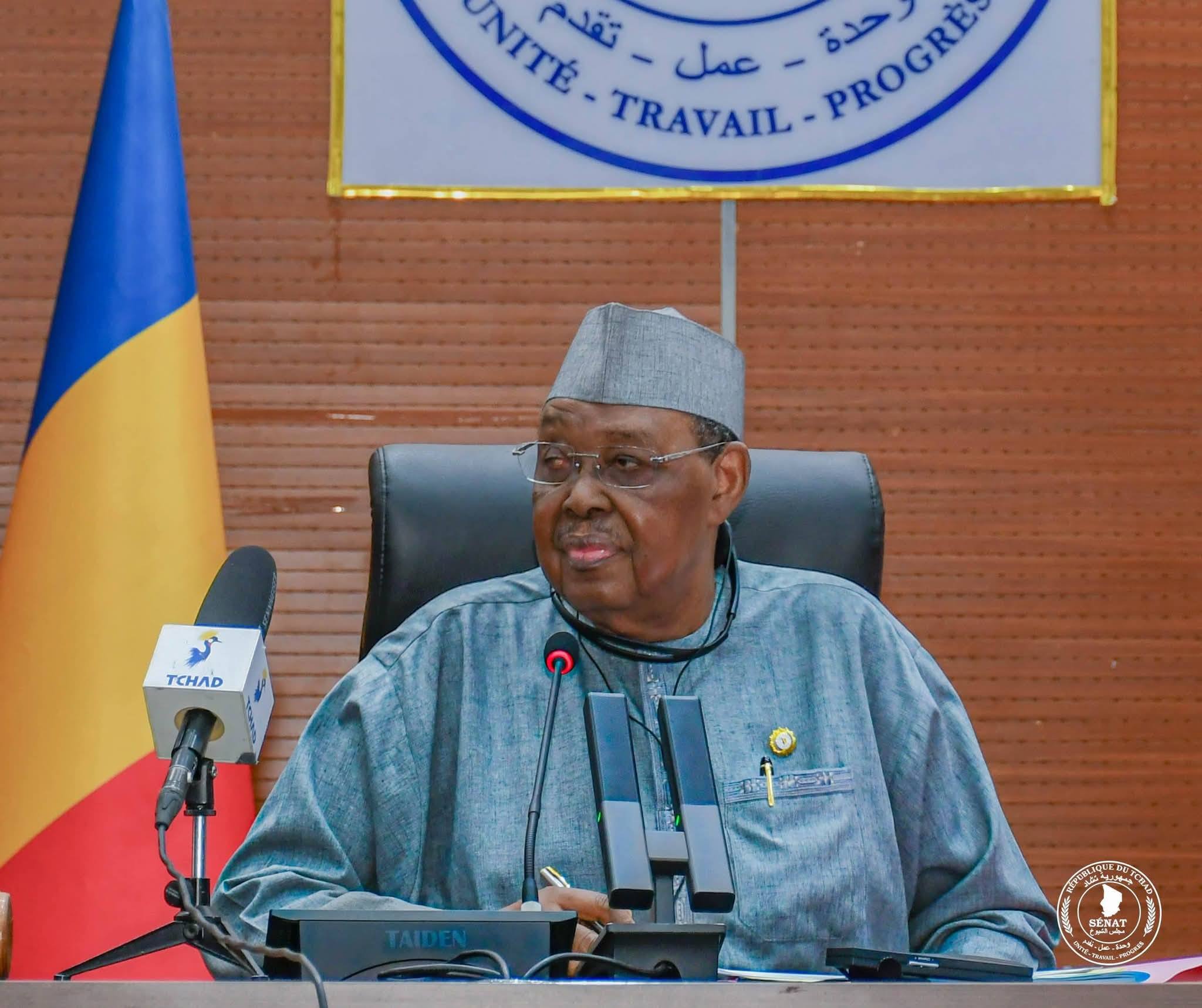
The Upper House of Parliament, chaired by Senate President Dr. Haroun Kabadi, held a plenary session on Monday focused on the nation’s pressing security challenges. The meeting addressed the surge in intercommunal conflicts and domestic security threats that continue to destabilize communities across the country.
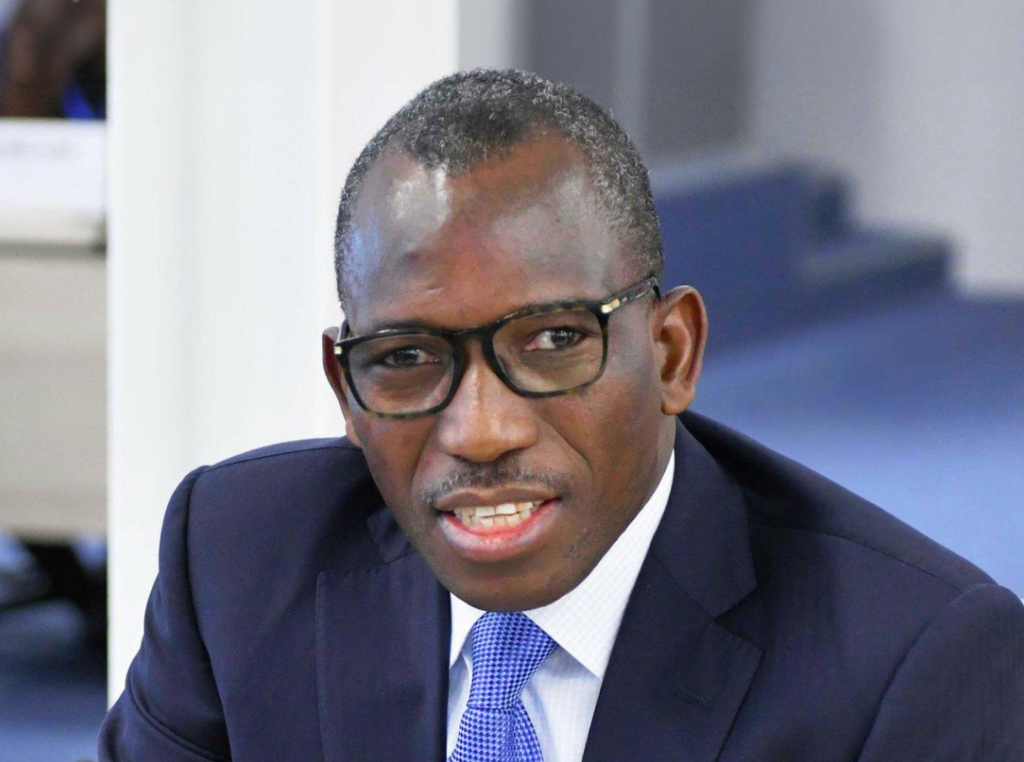
Responding to senators’ inquiries, the Minister of Public Security and Immigration, General Ali Ahmat Aghabache, outlined the government’s proactive measures to restore lasting peace and strengthen social cohesion. The discussions highlighted critical concerns raised by lawmakers regarding insecurity in several provinces, including the urgent need to bolster state presence in vulnerable areas, enhance conflict prevention mechanisms, and expand operational capacities of defense and security forces.
In a candid assessment of the security landscape, General Aghabache presented sobering statistics to the Senate: intercommunal violence claimed 318 lives and injured 3,015 people between 2024 and 2025. These staggering figures underscore the severe human toll and widespread material damage affecting communities nationwide, threatening national unity and hindering development progress.
The Minister emphasized that these conflicts continue to strain social cohesion, weaken territorial stability, and undermine government-led initiatives to foster growth and prosperity. To counter this, authorities have launched a multi-pronged security plan, including intensified patrols in high-risk zones, expanded mobility for security forces through new equipment like motorcycles, and the recruitment of 1,000 additional police officers and 1,000 gendarmes to enhance nationwide security coverage.
General Aghabache reaffirmed the government’s commitment to bridging the gap between security forces and citizens, improving surveillance in sensitive areas, and ensuring rapid intervention at the first signs of tension. He stressed that addressing intercommunal conflicts requires more than security operations—it demands a holistic approach integrating community dialogue, local mediation, and public awareness campaigns. The success of these efforts hinges on collaboration among security agencies, administrative bodies, traditional leaders, religious figures, and civil society.
The plenary session served as a platform to spotlight the persistent security challenges facing Chad while reaffirming the collective determination of state institutions to safeguard peace, reinforce national unity, and ensure the safety of all citizens across the territory.