Tchad quits international criminal court amid sovereignty debate
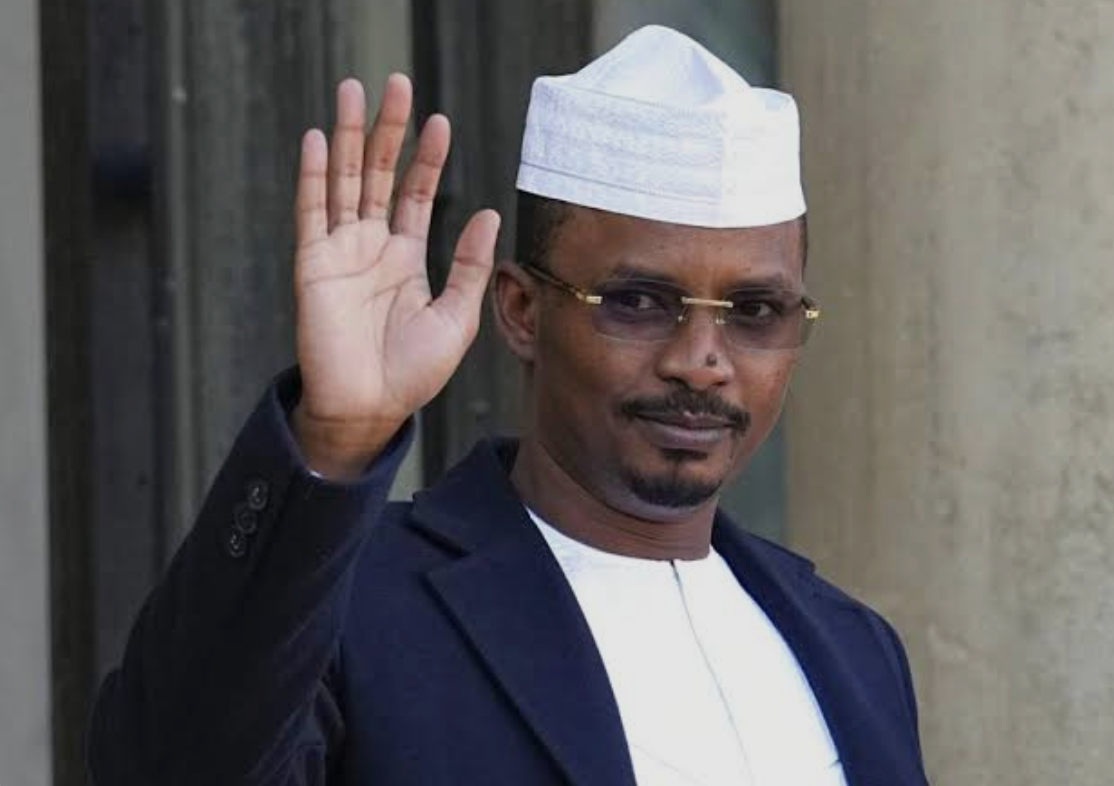
N’Djamena breaks ties with The Hague after accusing court of bias
In a bold diplomatic move, Chad has formally notified the United Nations of its intention to withdraw from the International Criminal Court (ICC). The announcement, made on July 27, reflects growing frustration among African nations with what they perceive as an imbalanced approach by the court in addressing human rights violations.
Chad’s government has long argued that the ICC disproportionately targets leaders from the Global South while overlooking similar crimes elsewhere. The withdrawal decision, submitted through a formal letter to UN headquarters in New York, marks the beginning of a year-long transition period before the exit becomes legally binding. During this time, the ICC will retain jurisdiction over crimes committed prior to the notification, though Chad’s future cooperation remains uncertain.
A fractured justice system under scrutiny
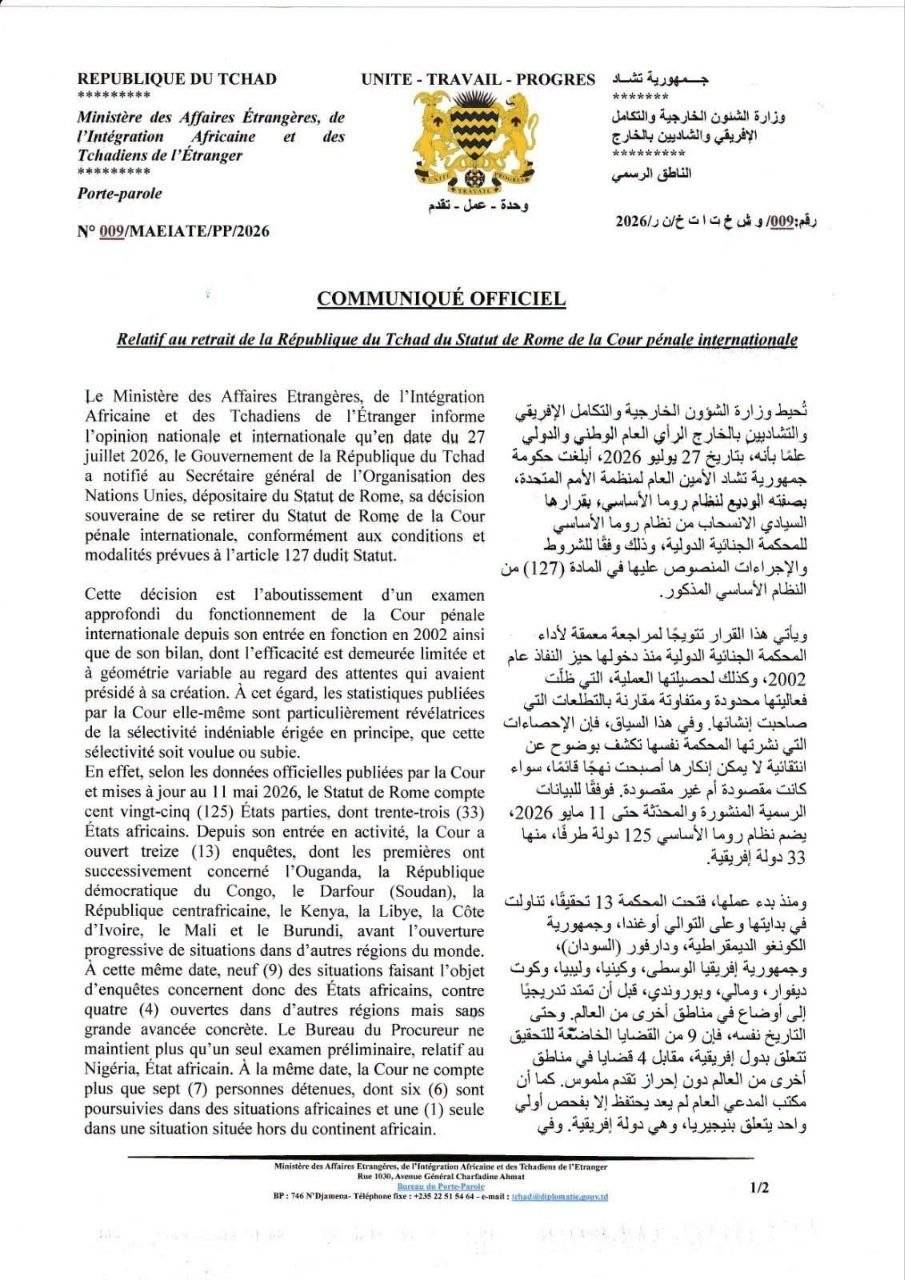
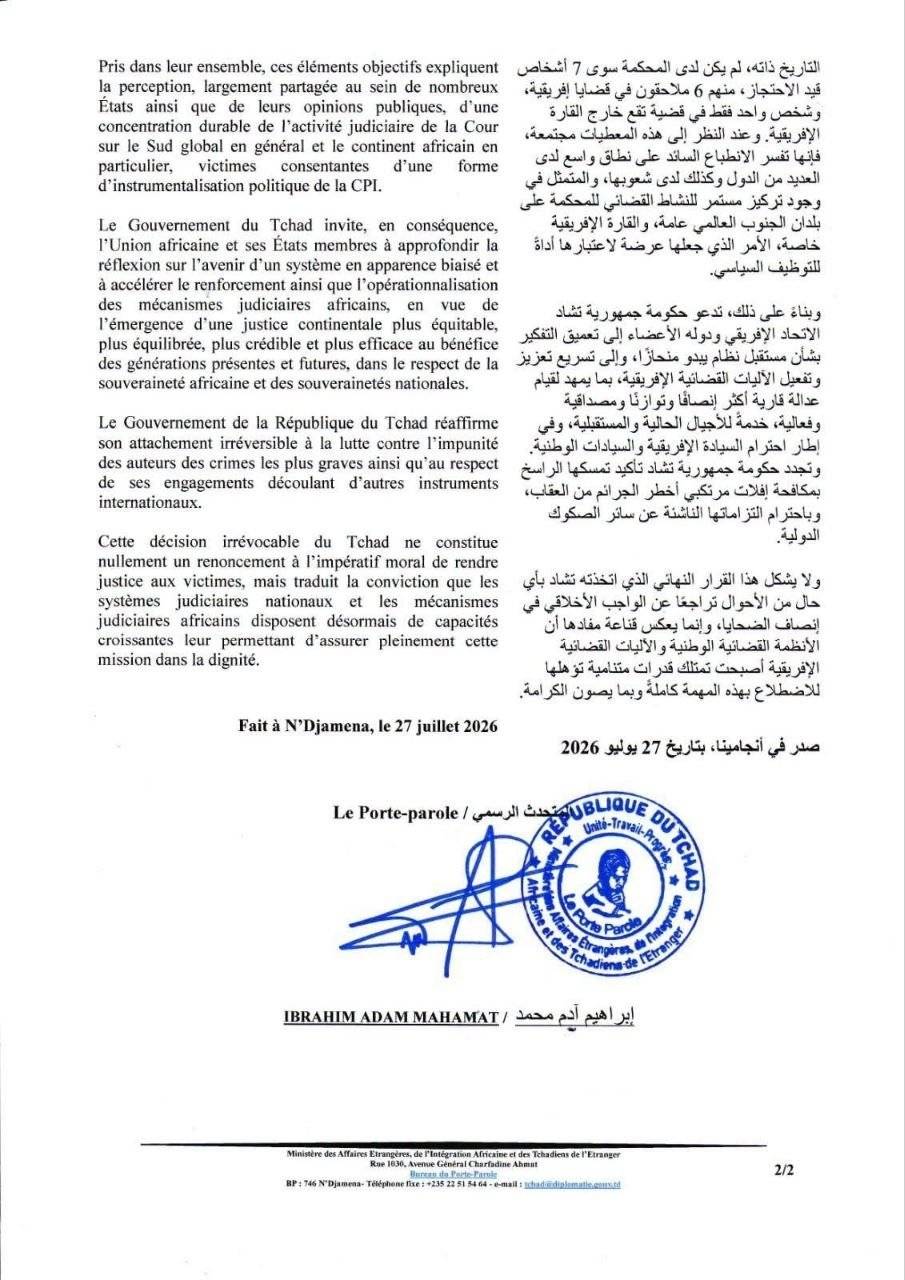
The ICC’s principle of complementarity—whereby it only intervenes when national courts fail to act—has been a cornerstone of its legitimacy. However, Chadian authorities now view the court as an ineffective tool, citing what they describe as a “geographical imbalance” in prosecutions. By severing ties, the government is signaling a shift toward self-reliance in addressing domestic justice challenges, a stance that resonates with other African nations questioning the court’s impartiality.
Local justice at a crossroads
For victims of war crimes, crimes against humanity, or genocide in Chad, the ICC’s withdrawal removes a critical layer of protection. Without international oversight, the burden of ensuring accountability now rests entirely on Chad’s judicial system—a prospect that has raised concerns among civil society groups.
Human rights organizations warn that the absence of an independent, external body could embolden state actors and armed groups, making it harder for victims to seek redress. The challenge for Chad’s judiciary will be to demonstrate impartiality, particularly in cases involving government officials or security forces. Structural reforms, including increased funding for courts and stronger safeguards for judges and witnesses, are now essential to restore public trust.
Sovereignty vs. accountability: a high-stakes gamble
Chad’s decision is part of a broader trend in West Africa and the Sahel, where calls for national sovereignty often clash with demands for international justice. While some African Union members have criticized the ICC in the past, positions remain divided on whether withdrawal is the most effective response.
The move carries significant diplomatic risks. Western donors and financial institutions frequently tie aid to compliance with human rights standards, and foreign investors may hesitate to commit capital without assurances of legal protections. Yet, the government insists that Chad’s justice system is capable of handling domestic cases independently—a claim that will be tested in the coming years.
What lies ahead for Chad’s legal landscape?
The one-year transition period, mandated by the Rome Statute’s Article 127, will be pivotal. During this time, the ICC could still intervene in pre-notification cases, but Chad’s willingness to cooperate is likely to wane. The government’s ability to deliver on its promises—strengthening judicial independence, protecting victims, and ensuring fair trials—will determine whether this withdrawal strengthens or undermines the rule of law in Chad.
As the debate over international justice versus national sovereignty intensifies, the true test will be in Chad’s courtrooms. Will justice be served, or will impunity prevail? The answers will shape not only Chad’s future but also the broader trajectory of legal accountability in Africa.