South african president ramaphosa in Kinshasa for ebola solidarity mission
South African President Ramaphosa in Kinshasa for Ebola Solidarity Mission
The President of South Africa, Cyril Ramaphosa, arrived in Kinshasa, Democratic Republic of the Congo, on a high-level solidarity mission on July 2, 2026. As the African Union’s Champion for Pandemic Preparedness, Prevention, and Response (PPPR), his visit underscores the continent’s united stance against the resurgence of Ebola in the DRC—the seventeenth outbreak since 1976.
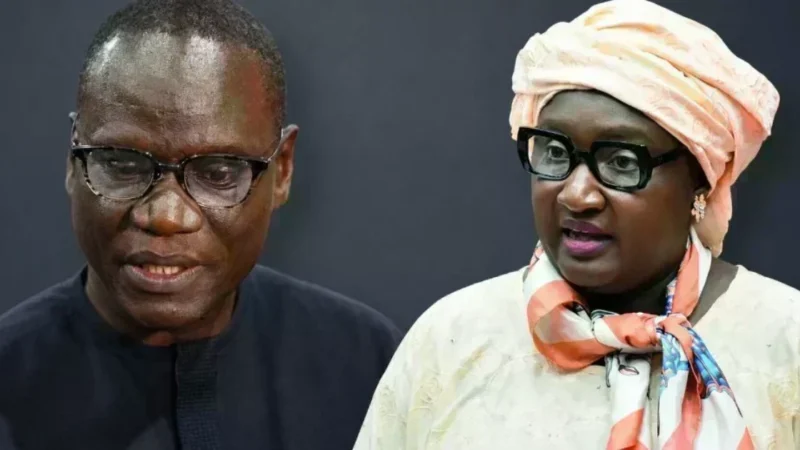
Accompanied by South Africa’s Deputy Minister of International Relations and Cooperation, Thandi Moraka, President Ramaphosa is scheduled to meet with his Congolese counterpart, Félix-Antoine Tshisekedi, to reaffirm the African Union’s unwavering support for the DRC’s fight against the epidemic. The mission is designed to elevate the continental response, strengthen cross-border cooperation, and mobilize political, technical, and financial commitments from AU member states and global partners.
Strengthening Africa’s Collective Response to Ebola
In a statement released by the South African Presidency, the mission is framed as a critical step in ensuring a coordinated and robust response to the outbreak. The AU’s PPPR Champion is tasked with providing high-level political leadership, supervising the Ebola response, and fostering solidarity with affected nations and frontline workers.
The African Union has already mobilized over $100 million through its Africa Epidemic Fund, with additional pledges exceeding $910 million globally. South Africa has contributed $13.5 million to these efforts. The urgency of the mission is underscored by the World Health Organization’s (WHO) classification of the Ebola outbreak in the DRC—caused by the Bundibugyo strain—as a Public Health Emergency of International Concern (PHEIC) on May 17, 2026.
Challenges and Resilience in the Face of Ebola
The outbreak poses significant challenges, including geographic spread, high population mobility, strained healthcare systems, and limited access to remote conflict-affected areas. The absence of a vaccine or specific treatment for this strain of the virus further complicates containment efforts. Despite these hurdles, Congolese authorities have emphasized their commitment to controlling the epidemic, drawing on the country’s extensive experience in managing previous Ebola crises—all of which were successfully contained through coordinated national and international response efforts.
The mission led by President Ramaphosa is not only a gesture of solidarity but also a strategic initiative to bolster Africa’s health security infrastructure. By reinforcing regional collaboration and preparedness, the African Union aims to mitigate the current crisis while building long-term resilience against future pandemics.