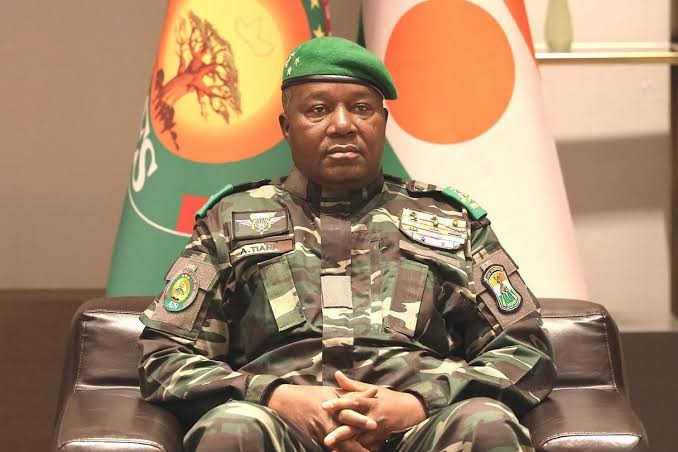
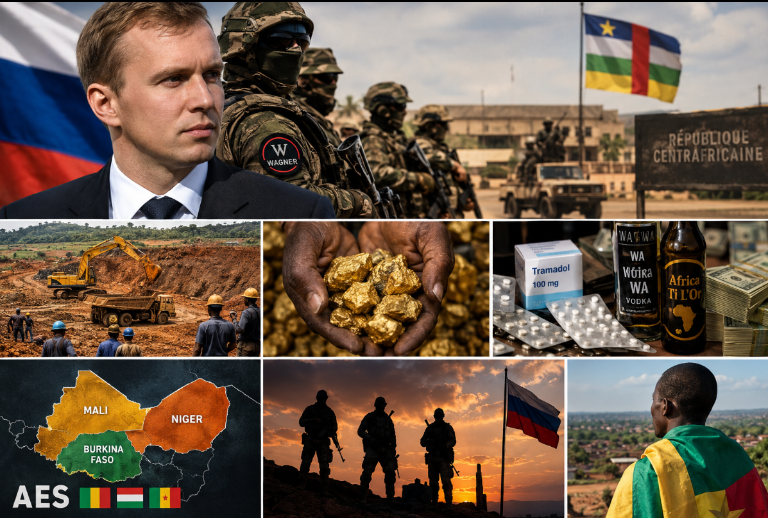
The International Criminal Court (ICC) has issued a formal appeal to Burkina Faso, Mali and Niger, urging them to reverse their decision to withdraw from the Rome Statute—the foundational treaty of the global judicial institution. This intervention follows sweeping political and diplomatic shifts within the Alliance of Sahel States (AES).
Why the ICC insists on continued membership
The ICC underscores that the continued participation of these three nations is vital to sustaining efforts against impunity. The Court’s mandate includes prosecuting alleged perpetrators of war crimes, crimes against humanity, genocide, and, in specific cases, acts of aggression—particularly when national legal systems prove incapable of delivering justice.
International concerns over withdrawal
Analysts and diplomats warn that the withdrawal of Burkina Faso, Mali and Niger could undermine international judicial cooperation and complicate investigations into grave crimes across a region plagued by armed conflict and widespread violence against civilians. The absence of these countries’ cooperation may leave significant gaps in accountability mechanisms, leaving victims without recourse.
Sovereignty vs. global justice: a growing divide
Government officials in all three countries argue that their national judiciaries should take precedence in handling crimes committed within their borders. They frequently criticize what they describe as inconsistent or politically motivated enforcement by international courts, emphasizing the need for sovereign control over legal proceedings.
The ongoing dispute reflects a broader tension between national sovereignty and the necessity of international justice when domestic systems fail to deliver accountability for the most heinous crimes.
A decision with far-reaching consequences
The ICC’s appeal highlights the critical implications of Burkina Faso, Mali and Niger’s final choice. Their decision will not only shape their relationships with global institutions but will also influence judicial cooperation, victim protection, and international perceptions of their commitment to combating impunity across the Sahel.