Sonko cracks down on government travel expenses with stricter oversight
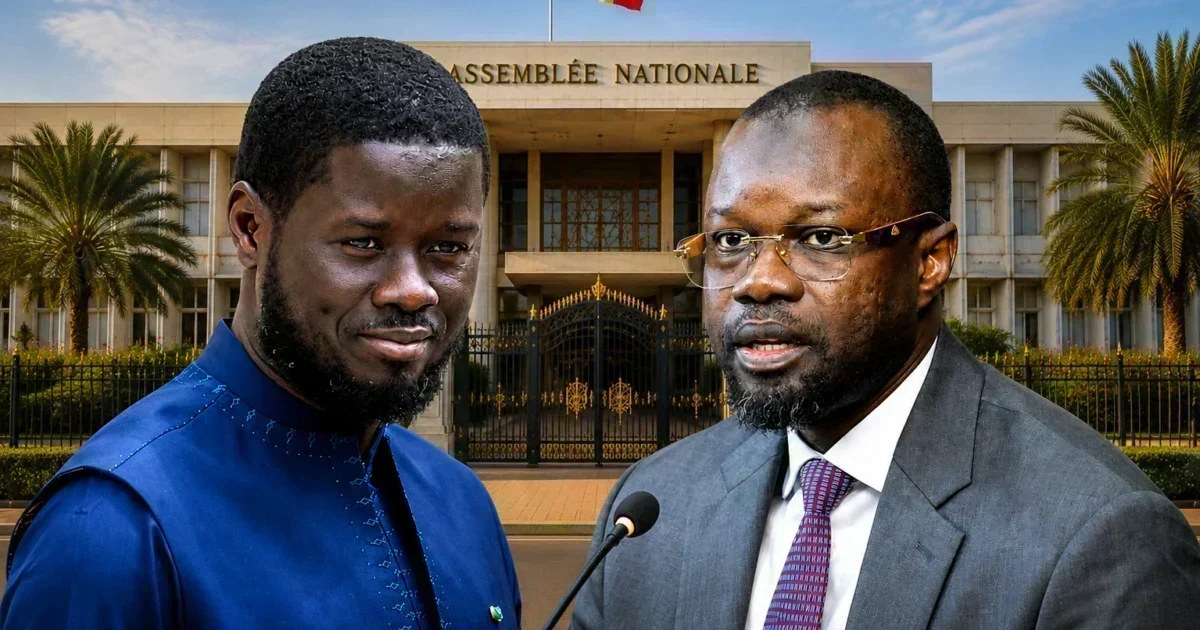
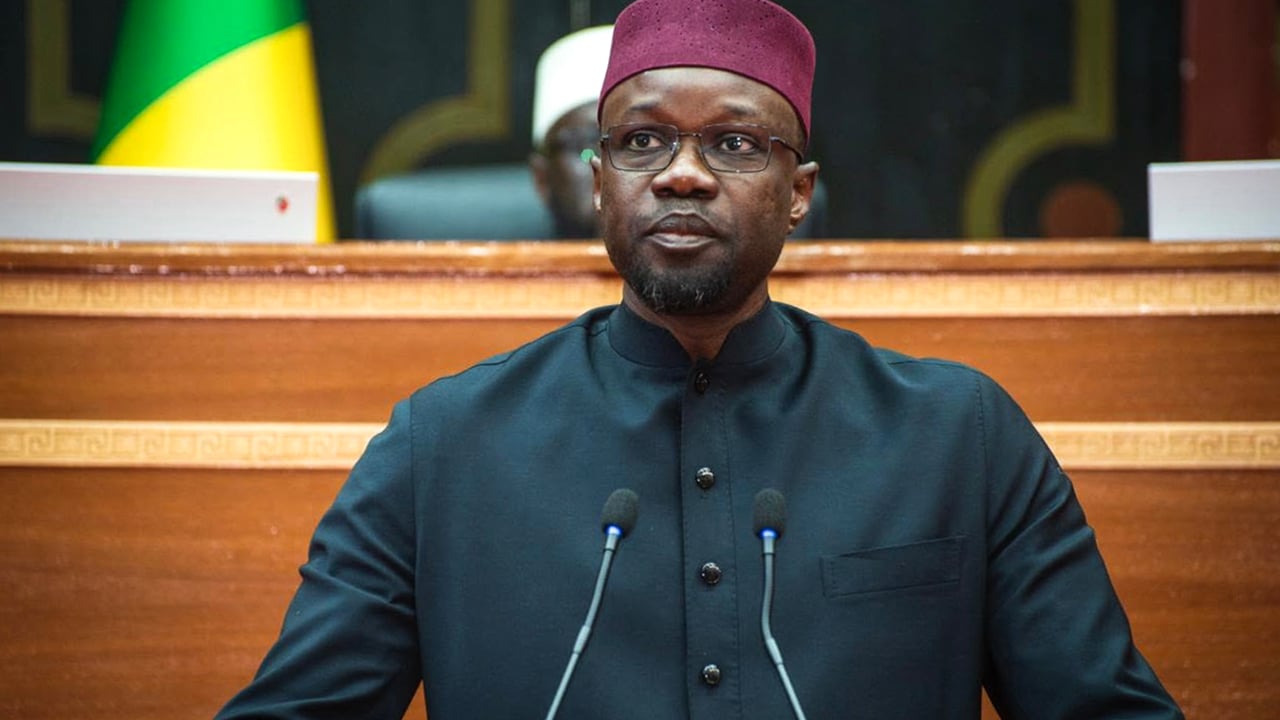
Prime Minister Ousmane Sonko has launched a sweeping crackdown on official travel by senior public sector officials, including ministers and state-owned enterprise directors. The new policy imposes stringent restrictions on international travel, aiming to curtail what officials describe as excessive and unchecked spending on overseas missions.

Unprecedented scrutiny over ministerial travel
Under the new framework, Sonko has mandated that virtually all overseas travel requests from ministers will be automatically denied unless deemed absolutely essential. Previously, these decisions fell under the purview of individual ministers, but the Prime Minister has now centralized control to eliminate perceived abuses.
In a sharp critique of the status quo, Sonko revealed that internal audits had uncovered alarming patterns: « Recent assessments showed that some directors-general spent up to 30 days abroad within a single 90-day period. This is neither efficient nor acceptable for a government striving to optimize public resources. »
Directors-General now subject to direct oversight
While ministers face near-total travel bans, directors-general of state-owned entities had operated with greater autonomy—often justifying trips through their respective supervisory ministries. Sonko is dismantling this loophole. Moving forward, all foreign travel requests from directors-general must receive direct approval from the Prime Minister’s office, ensuring consistent enforcement of the new policy.
« This reform is long overdue, » Sonko stated. « From now on, no public official will circumvent accountability by hiding behind bureaucratic channels. Every overseas mission will be scrutinized for necessity, duration, and cost efficiency. »
Impact on governance and public trust
The move aligns with broader efforts to restore public confidence in government spending, particularly after reports of lavish international trips by officials. By tightening oversight, Sonko signals a commitment to transparency and fiscal responsibility—core pillars of his administration’s agenda.
The policy shift also underscores the government’s focus on delivering tangible results to citizens rather than prioritizing overseas engagements that yield little domestic value. Analysts suggest this could reshape public sector culture, fostering a more disciplined approach to travel and resource allocation.