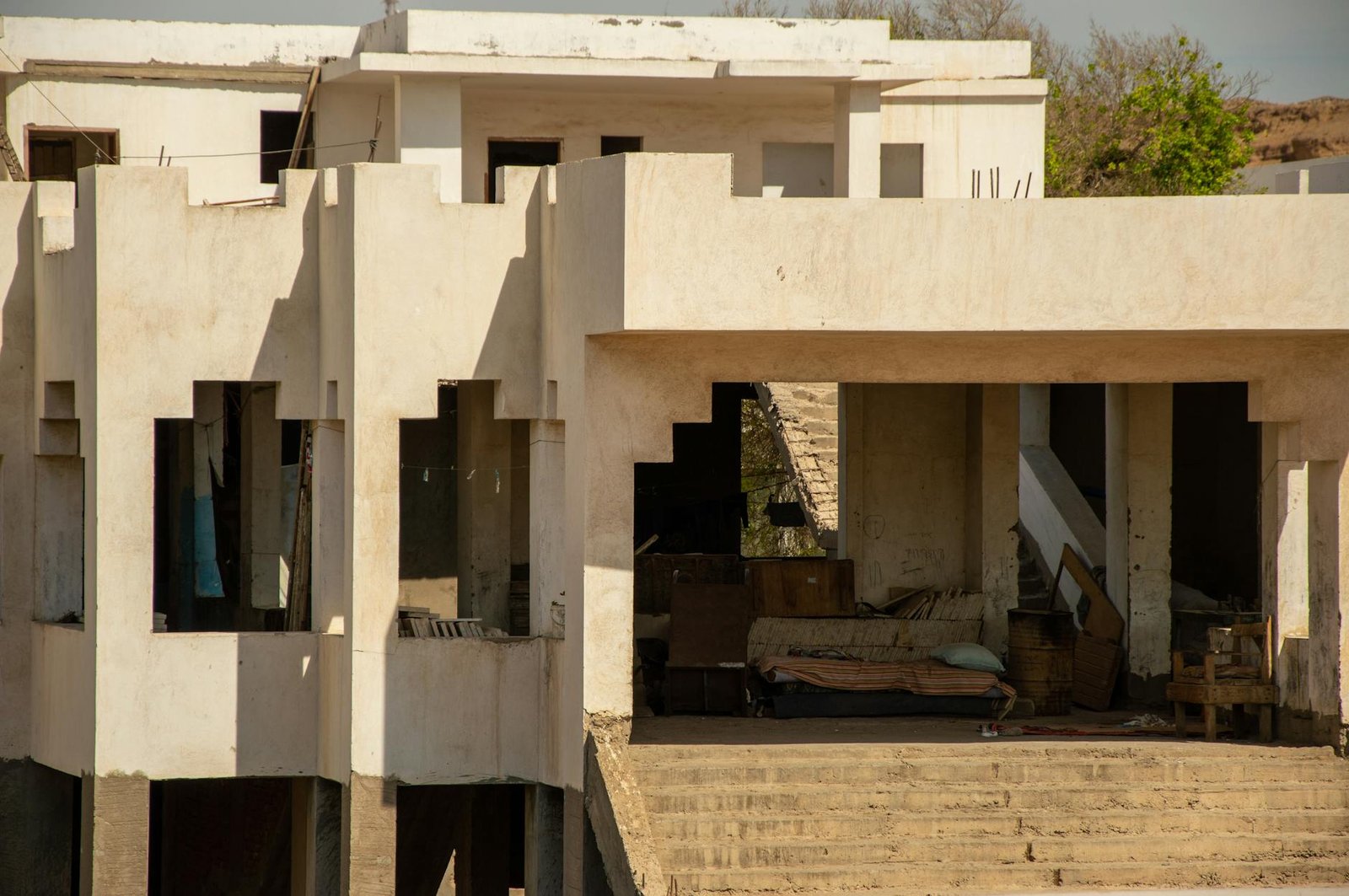
The Senegalese government is intensifying efforts to optimize its public asset portfolio, with a sharp focus on 25 completed but non-operational infrastructures. These underperforming assets, valued at 279 billion CFA francs, represent a significant locked capital with no economic or social return. The assessment underscores a persistent gap in public procurement: the disconnect between project delivery and effective operationalization.
Targeted audit of dormant assets
This initiative is part of a comprehensive evaluation of state-owned properties. The assessment team categorized assets that are physically completed but remain unused, including administrative buildings, sector-specific facilities, and economic infrastructure. These dormant assets drain resources through ongoing maintenance costs, security expenses, and accelerated deterioration due to lack of occupancy. The Dakar administration aims to reintegrate these facilities into productive or administrative circuits through redeployment, inter-agency sharing, or public-private partnerships. The approach involves identifying, on a case-by-case basis, why each asset remains unused, with recurring issues including missing operational budgets, undetermined usage purposes, or unplanned logistical requirements.
Addressing fiscal pressure through asset recovery
The timing of this audit reflects strategic priorities. Since 2024, the government has prioritized financial transparency and expenditure control as political pillars. Reallocating these already-funded assets provides immediate fiscal relief by reducing reliance on external borrowing and servicing debt. This strategy aligns with broader reviews of public contracts and parapublic entities, reinforcing a clear principle: before increasing tax pressure or launching new investments, existing resources must be maximized. This approach echoes long-standing recommendations from the Court of Auditors, which has repeatedly highlighted weaknesses in post-delivery management within Senegal’s public procurement system.
Project governance and accountability
The evaluation extends beyond financial figures to examine infrastructure project governance. Completion of a facility marks not the end of a cycle but the beginning of its utility. However, the fragmented responsibility chain—spanning conception, financing, execution, and operation—creates blind spots. International financiers have long stressed the need for clearer accountability frameworks throughout the project lifecycle. For the 25 identified sites, several pathways are possible: reassigning unused buildings to replace costly private office rentals, leasing to private operators under strict performance criteria, or completing missing components to activate original service plans. Final decisions will depend on individual assessments and upcoming budgetary decisions.
This initiative to revitalize public assets serves as a credibility test for the administration. Success hinges on transparent progress reporting and verifiable performance indicators. Senegal’s approach could serve as a model for other regional economies grappling with the challenge of ‘ghost infrastructure’ eroding public investment returns.