Fuel price surge looms for Senegal as global oil markets remain volatile
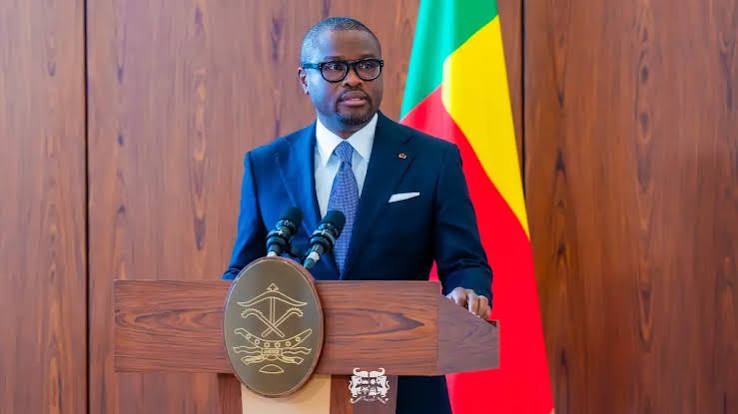
Prime Minister Ousmane Sonko has sounded the alarm over potential fuel price hikes in Senegal, citing a turbulent global energy landscape. Speaking before the National Assembly, he highlighted how rising international oil costs could strain public finances and disrupt the West African nation’s economic stability, ultimately threatening household purchasing power.
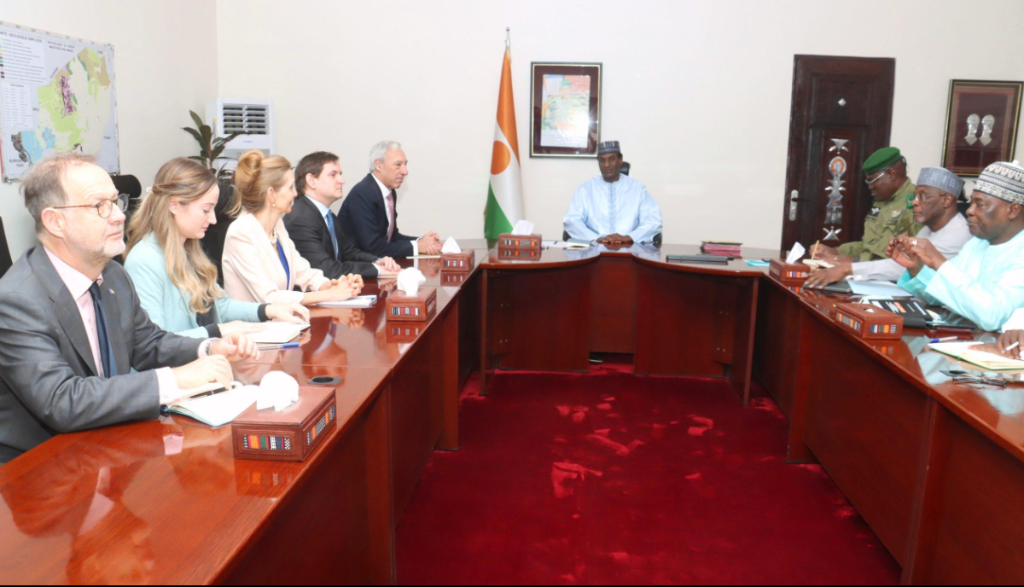
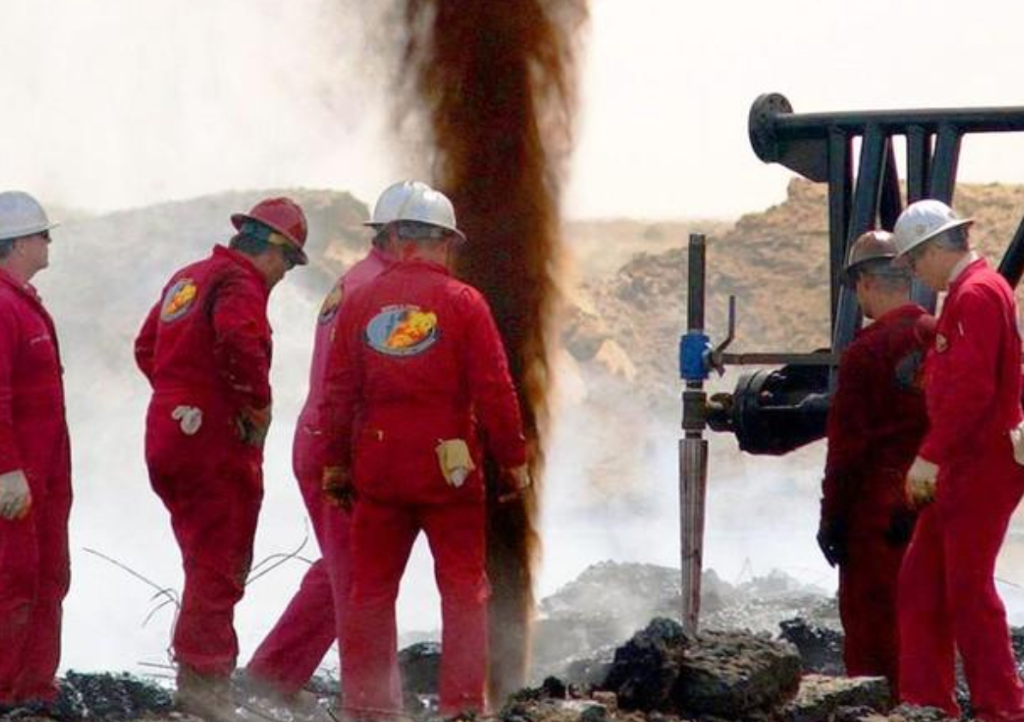
The government is closely monitoring crude oil markets, where persistent geopolitical instability—particularly in the Middle East—has pushed prices beyond initial budgetary forecasts. This unexpected surge has left policymakers scrambling to adjust financial projections while balancing competing economic priorities.
Fuel price adjustments: A necessary but painful adjustment
During a parliamentary session, Sonko underscored the severity of the situation, noting that many countries have already implemented pump price increases in response to similar pressures. For Senegal, this could mean a domino effect on transportation, agriculture, and food distribution networks, further squeezing household budgets.
« The current crisis demands tough decisions, » he stated. « While we recognize the burden on Senegalese families, fiscal realities cannot be ignored. We must act prudently to avoid deeper economic instability. »
Broader economic spillover effects
The anticipated fuel price adjustments are just one facet of a larger economic challenge. Rising oil costs also inflate expenses for fuel shipments arriving via Gulf routes, adding to logistical challenges and insurance burdens. Sonko pointed out that energy subsidies alone could balloon to over 1 trillion FCFA, representing a significant portion of the national budget.
This financial strain comes at a time when the government is prioritizing social protections, yet faces constraints in absorbing external shocks without passing costs to citizens.
Reforms in agriculture to offset energy pressures
In a parallel move, the government is rethinking agricultural subsidies, currently estimated at around 130 billion FCFA. Addressing inefficiencies in targeting and distribution, officials plan to redirect funds toward mechanization and water management systems to boost year-round productivity. The goal is to reduce reliance on fuel-dependent agricultural practices and enhance food security.
« Our agricultural sector cannot remain hostage to volatile energy markets, » Sonko emphasized. « We need sustainable solutions that reduce costs and improve output. »