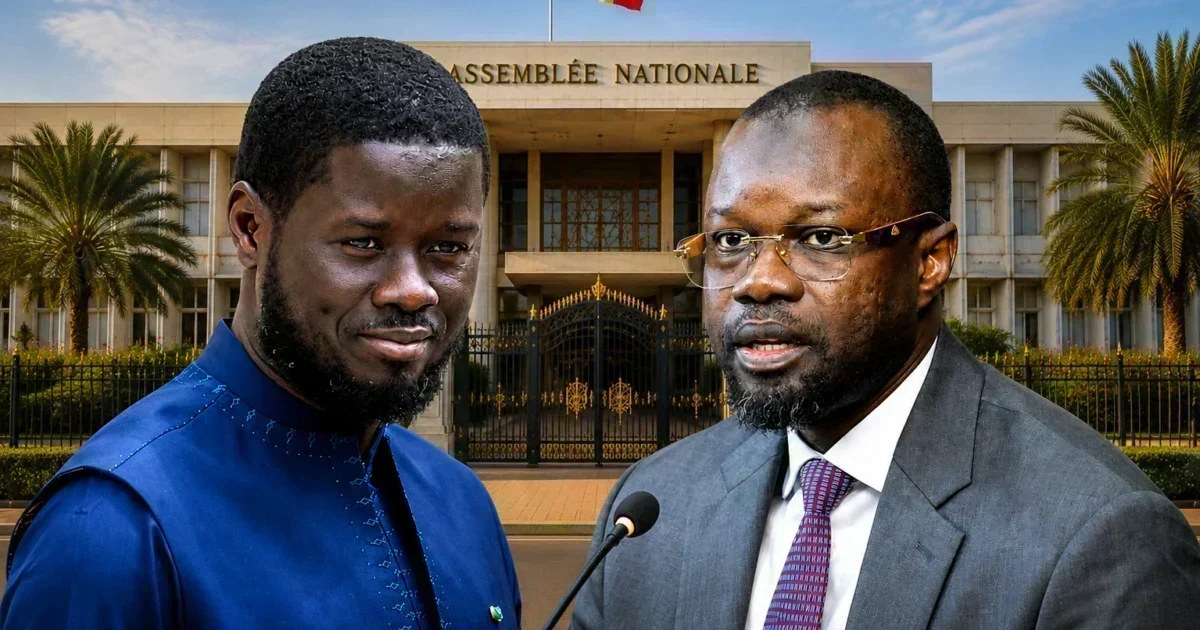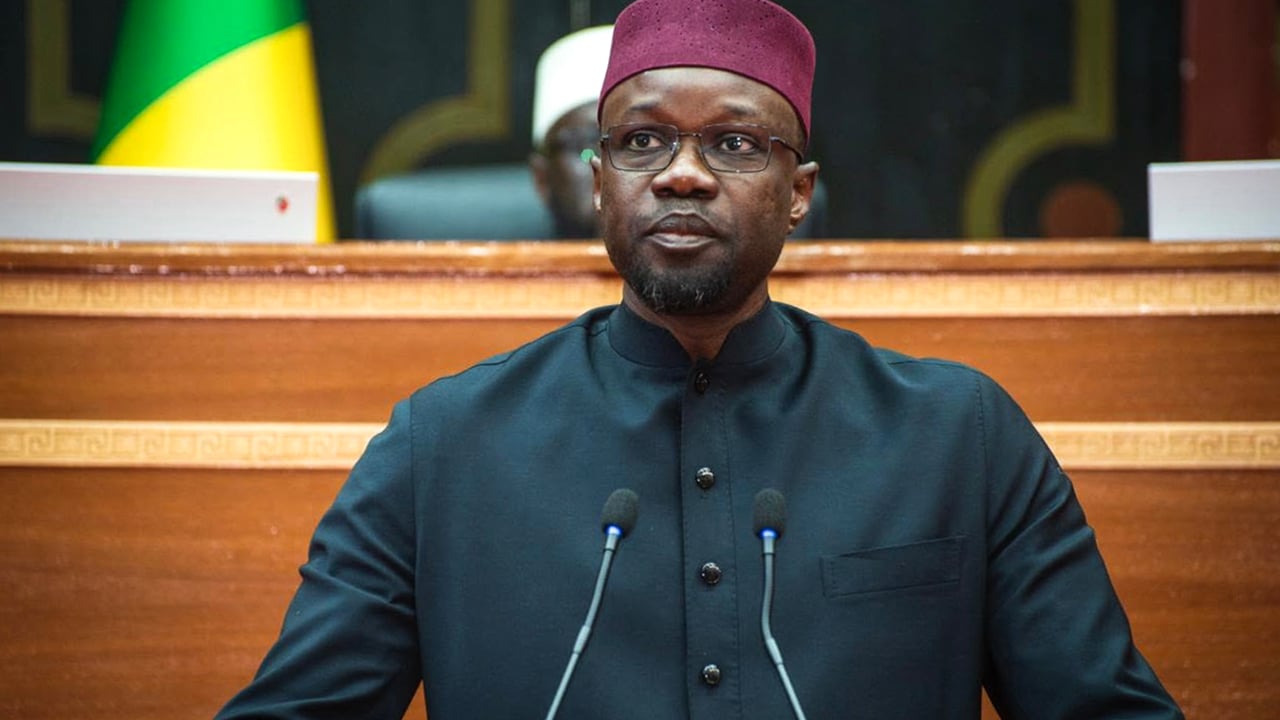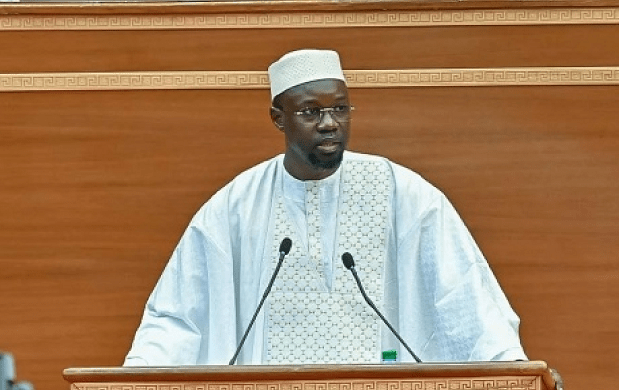
In a decisive move to reinforce societal values, the Senegalese government has publicly committed to implementing its newly amended Penal Code without compromise. Prime Minister Ousmane Sonko made this position clear during an address to lawmakers, emphasizing that the law will be enforced with absolute rigor.
During a heated parliamentary session, Sonko responded to lawmakers’ concerns by underscoring that once a law is passed and signed, it becomes binding for all citizens—regardless of prior opposition. This stance reflects the government’s determination to uphold the rule of law as a cornerstone of national stability.
The amended legislation, officially enacted by President Bassirou Diomaye Faye, revises Article 319 of the Penal Code (Law No. 65-60 of July 21, 1965). The new provisions introduce stricter penalties for acts deemed “against nature,” including provisions that criminalize their advocacy and financing. Offenders now face imprisonment ranging from five to ten years and fines between two and ten million West African CFA francs.
Prime Minister Sonko firmly rejected international criticism, particularly from Western nations, asserting Senegal’s sovereign right to legislate in alignment with its cultural and social priorities. “The Senegalese people are free to shape their society without foreign interference,” he declared, dismissing external calls for leniency.
Sonko further justified the reform as a measure to safeguard public health, citing concerns such as the spread of HIV. Additionally, he categorically ruled out any moratorium on the law’s enforcement, signaling the government’s unwavering commitment to its full application.