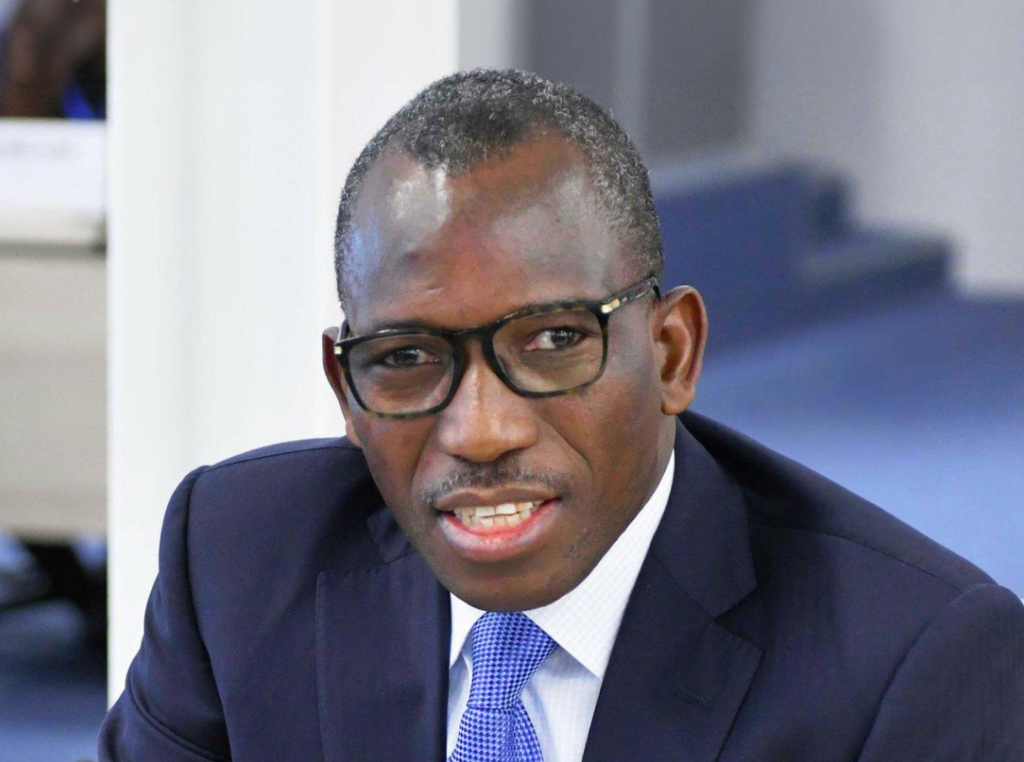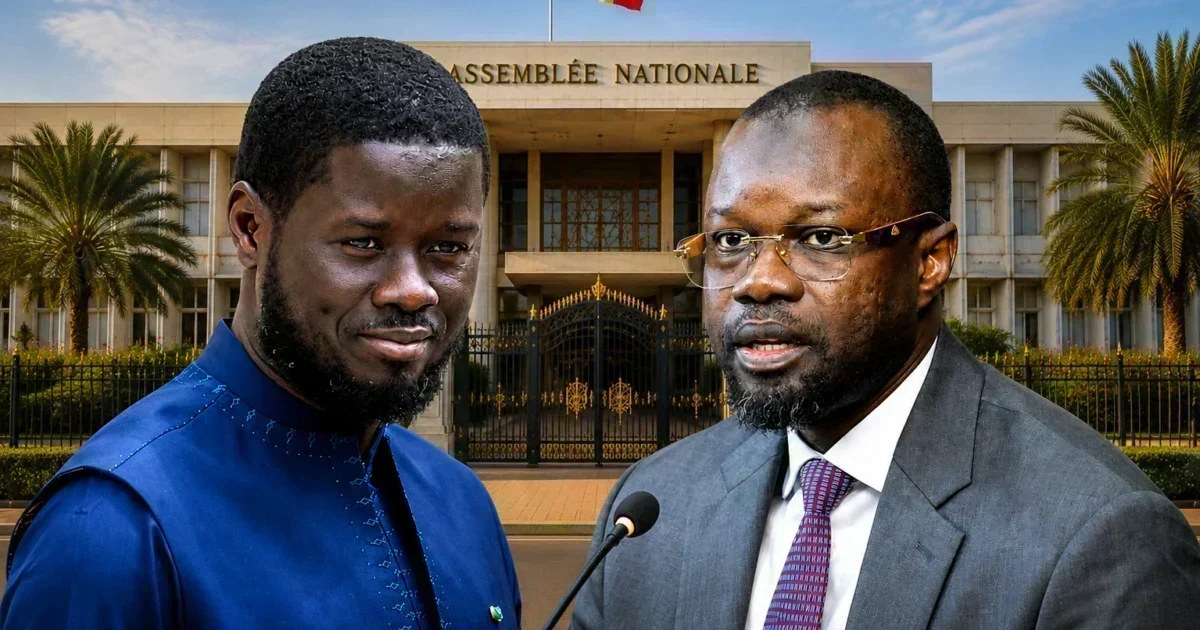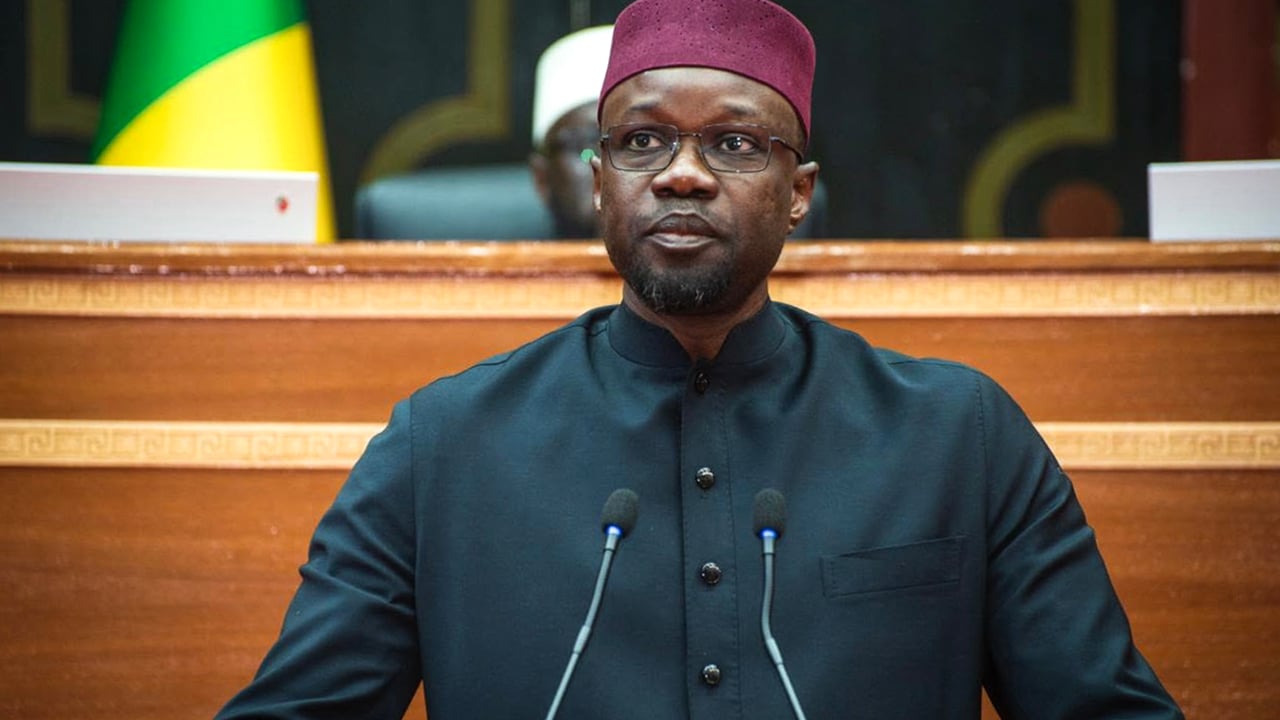
In a rare public display of disagreement within Senegal’s leadership, Prime Minister Ousmane Sonko openly contested President Bassirou Diomaye Faye’s position on political funds, sparking a national conversation about transparency and accountability. Speaking with unfiltered candor, Sonko made it clear that his government’s stance diverges sharply from the President’s approach to managing these controversial financial allocations.
Addressing the nation through a series of statements, the Prime Minister declared, “I fundamentally disagree with the President on this matter. I believe he has made a misjudgment, and I remain hopeful he will reconsider his position.” Sonko emphasized that the coalition’s original commitment was never to abolish these funds entirely but to eliminate their misuse—particularly the existence of unaccounted “black funds” that allow public money to be misappropriated without oversight.
Highlighting the scale of these funds, Sonko revealed that the Prime Minister’s office alone operates with 1.77 billion FCFA in political allocations. He stressed that these resources must no longer serve as “electioneering tools or personal enrichment schemes for political operatives.”
To curb opacity, Sonko proposed sweeping reforms centered on transparency and parliamentary oversight, drawing inspiration from France’s budgetary control mechanisms. While acknowledging that certain expenditures—such as those tied to national security—cannot be disclosed publicly, he advocated for the creation of a restricted parliamentary commission to verify that allocated funds are used as intended. “Some budgets, like defense-related ones, require confidentiality,” he noted, “but elected officials must ensure the money is spent where it’s meant to go.”
Demonstrating his commitment to change, Sonko announced the end of cash transactions for managing these funds, shifting instead to digital transfers and checks. “This is a matter of principle,” he asserted. “The funds will remain, and I’m not opposed to increasing them—provided they are rigorously controlled.” His remarks were met with applause from lawmakers, signaling broad support for his transparency agenda.