Sonko launches probe into missing 2 billion FCFA in education program
The parliamentary opposition has initiated an urgent investigation into alleged financial irregularities in the ‘One Student, One Laptop’ program, with potential losses exceeding 2 billion FCFA.
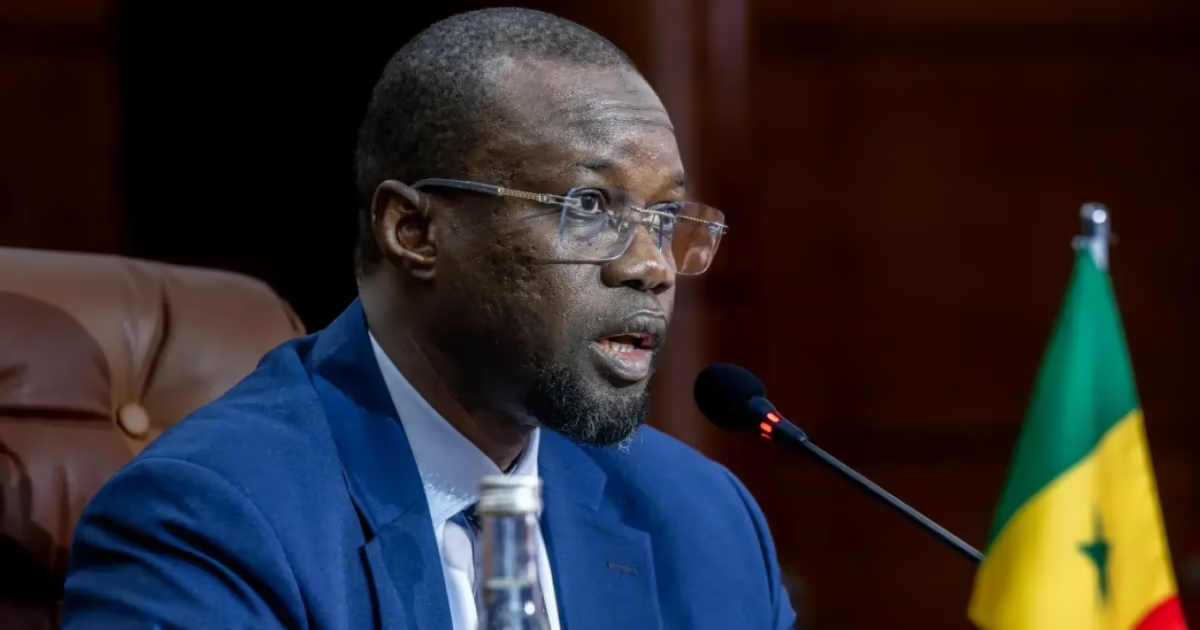
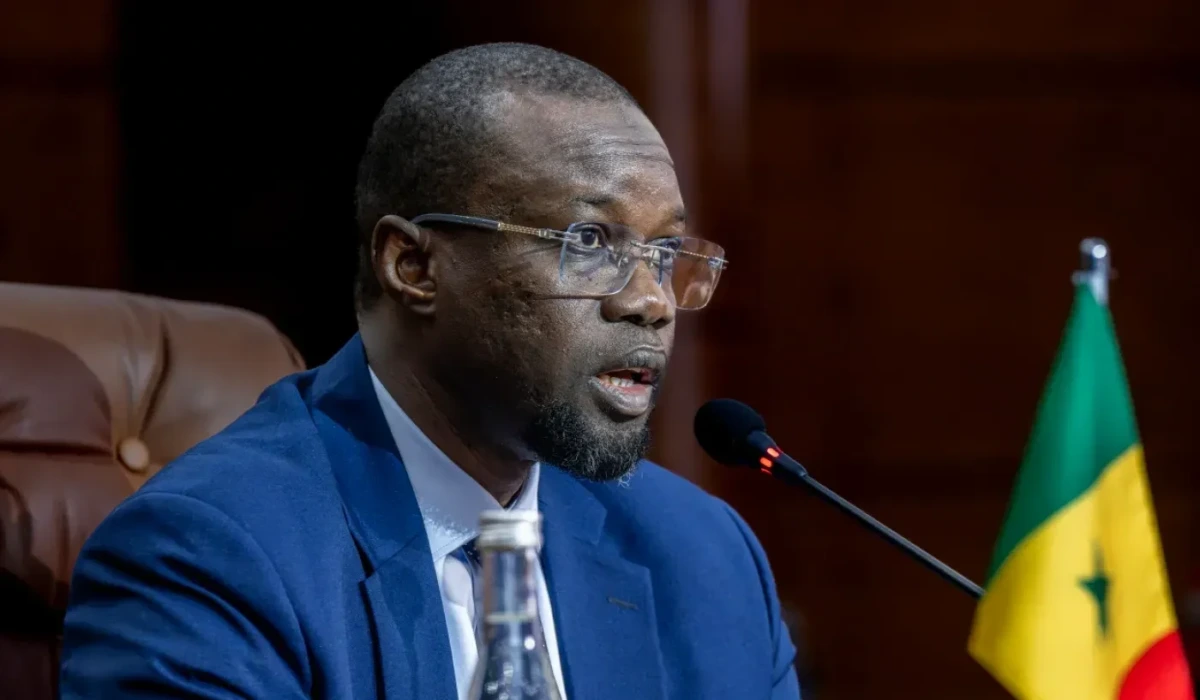
The Pastef parliamentary group, led by National Assembly President Ousmane Sonko, has formally requested the creation of a parliamentary commission to investigate alleged financial misconduct in the execution of the ‘One Student, One Laptop’ program since 2017. The program, administered by the Ministry of Higher Education, Research and Innovation, has accumulated expenditures of approximately 48 billion FCFA over its eight-year lifespan, with annual commitments nearing six billion FCFA.
The investigation targets potential violations of public procurement regulations, including contracts executed without competitive bidding for amounts exceeding 50 million FCFA—a clear breach of Article 53 of the Public Procurement Code. Additional irregularities include the absence of mandatory prior control by the Central Public Procurement Directorate (Dcmp), non-registration of the program in the ministry’s procurement plan, and failure to obtain required ministerial approvals for contracts exceeding 300 million FCFA.
Sonko’s parliamentary bloc has uncovered evidence suggesting the state was forced to make duplicate payments totaling 1.25 billion FCFA due to irregular contract executions. The investigation also reveals allegations of embezzlement exceeding one billion FCFA, with patterns of misconduct persisting across multiple editions of the program.
An unexplained 2 billion FCFA guarantee fund deposited with Ecobank
During the eight editions of the program, investigators have identified several alarming financial irregularities. Notably, a 2 billion FCFA guarantee fund was deposited with Ecobank without proper documentation regarding its origin, management structure, or intended use. The probe has also uncovered the existence of 13 bank accounts and sub-accounts linked to the program, despite official records initially indicating only three accounts. Unexplained transfers totaling 864,857,800 FCFA were dispersed across these accounts, while approximately 800 computers purchased with public funds remain undistributed at the Cheikh Anta Diop University, many showing technical defects.
The parliamentary group has compiled evidence from the 2023 program edition showing a payment of 1.446 billion FCFA for 7,055 computers to a non-contracting private entity. This transaction occurred without any formal agreement between the Higher Education department and the supplier, raising serious questions about financial oversight and procurement compliance.
Key officials and institutions targeted in the investigation
The scope of the parliamentary inquiry encompasses all officials and institutions involved in the program’s administration since 2017, including:
- Ministry of Higher Education, Research and Innovation
- Ministry of Finance and Budget
- General Directorate of Higher Education
- Directorate of Higher Education Financing (Dfees)
- Central Public Procurement Directorate (Dcmp)
- Public Procurement Regulatory Authority (Arcop)
- All public, semi-public entities and financial institutions involved
The Pastef group argues that the documented irregularities—spanning financial mismanagement, procurement violations, and unexplained fund movements—demand thorough parliamentary scrutiny. They emphasize the program’s economic and social significance, noting that its irregular implementation since 2017 has potentially exposed the state to substantial financial liability.
The parliamentary commission’s findings could have significant implications for current and former officials, as well as the future governance of public procurement processes in Sénégal.