
Sonara’s 700 billion CFA bluff: misleading President Biya?
Seven years after the devastating fire at the Sonara refinery, its managing director made a grand announcement, claiming the company was reborn […]
Seven years after the fire: a grand announcement
Seven years after the devastating fire that crippled the Sonara refinery, its managing director took the stage this past Monday, declaring to global media outlets that the company was reborn. Yet, rather than presenting a signed memorandum of understanding with a financial partner, the announcement came after a closed-door meeting led by four ministers to assess reconstruction costs and financing models.
The chosen financing model, Design-Build-Finance-Maintain (DBFM), promises to cover design, construction, financing, and long-term maintenance of the refinery’s infrastructure. But with seven years having passed since the fire, one must ask: how long will it take to secure a partner willing to sign an agreement—only to then seek financing from banks using Cameroonian methods?
This pattern mirrors what has been observed with mining partners, in stark contrast to international practices.
Kribi’s shadow: SNH and its rising star
The timing of this announcement is striking. Just days earlier, Cameroonian employers’ federation president Célestin Tawamba publicly praised the National Hydrocarbons Corporation (SNH) and its managing director, Nathalie Moudiki, for their progress on the Kribi refinery—a project executed with notable efficiency and now under construction.
Political undertones: a calculated move?
Upon closer inspection, yesterday’s announcement appears to be a calculated communication stunt aimed at misleading the President as he reviews the performance of his appointees during an official visit to Switzerland.
The Sonara statement cleverly included a reference to a new hydrocracker unit, claiming it would process Cameroonian crude. Yet this project was already underway before the fire and is already accounted for in the Kribi refinery’s expansion plans.
Kribi refinery under attack
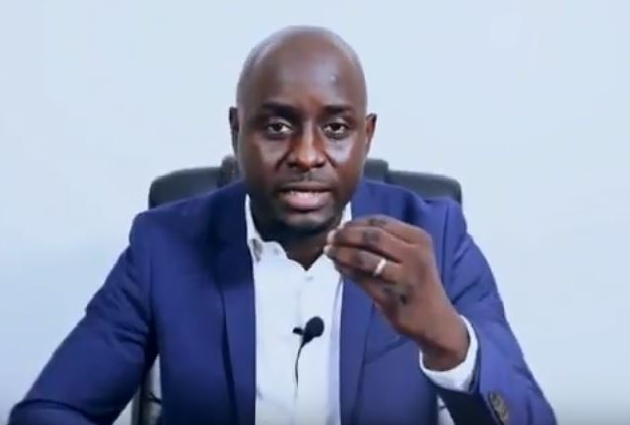
“When anonymous whistleblowers emerge to target key figures behind major projects, pause and reflect,” the statement implied. Since yesterday, Boris Bertolt has been vocal in his criticism of the SNH’s refinery project, making baseless claims to tarnish Nathalie Moudiki’s reputation. Why attack the Kribi refinery project on the same day Sonara makes its grand announcement?
Meanwhile, at SNH, officials commend Sonara as a historic national enterprise. Yet, in 2020, a high-level Russian delegation from Lukoil visited Yaoundé with a detailed reconstruction plan and modern equipment proposals—only for the government to reject the offer outright.
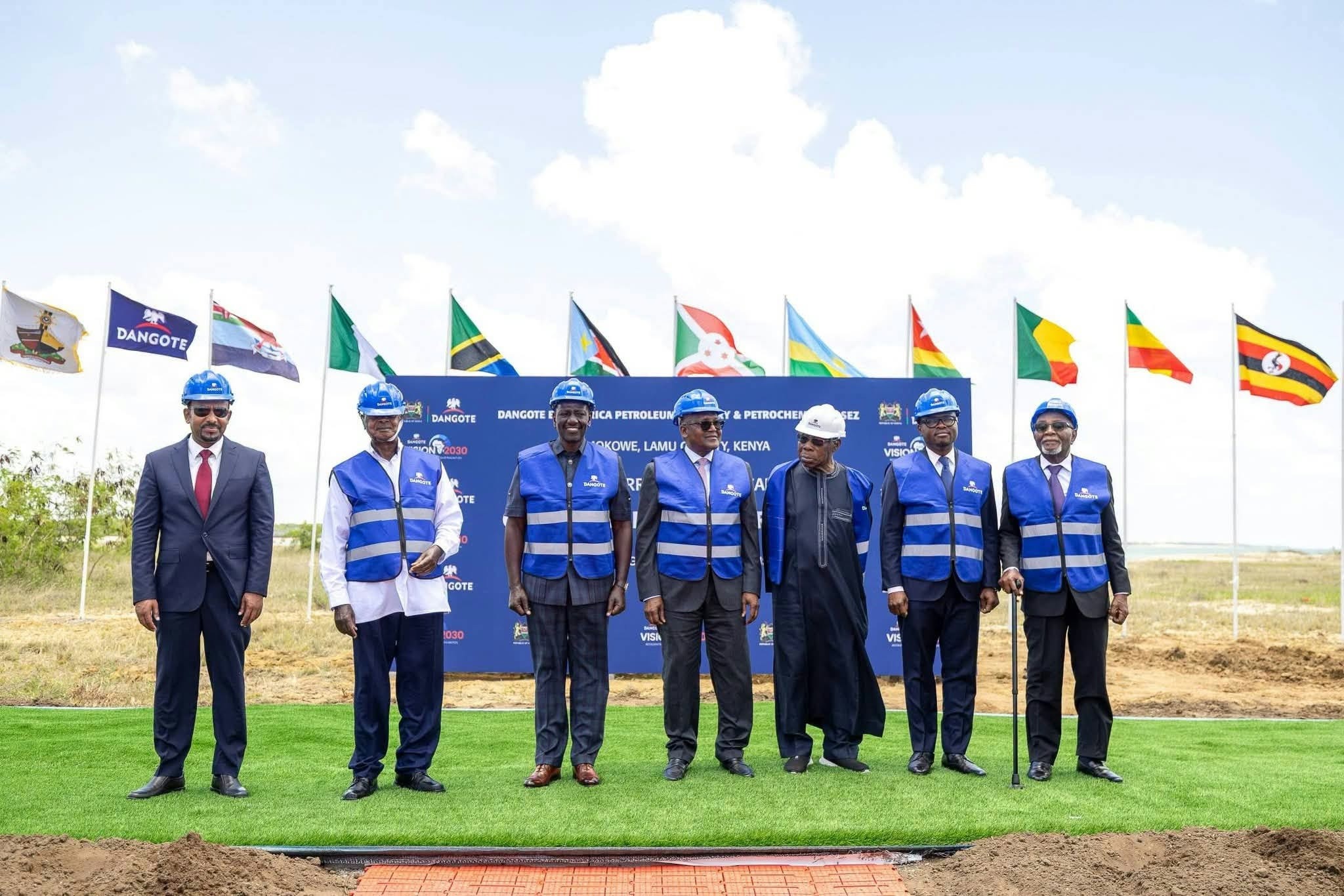
Pro-regime voices, favoring oil imports through traders, cite “sovereignty” concerns to justify rejecting potential partners. Yet, Africa’s largest private refinery—operated by Dangote in Nigeria, the continent’s second-largest oil producer—refines over 60% of the country’s crude without state ownership.
Why, then, is the SNH gas model not being applied to Sonara’s oil operations? Angola’s Lobito refinery was built by China. Zambia’s Copperbelt refinery was also constructed by Chinese firms. Uganda’s first refinery was built by Russia, with another planned in Congo.
Cameroonians, let us pray.
Be the first to comment




Comments