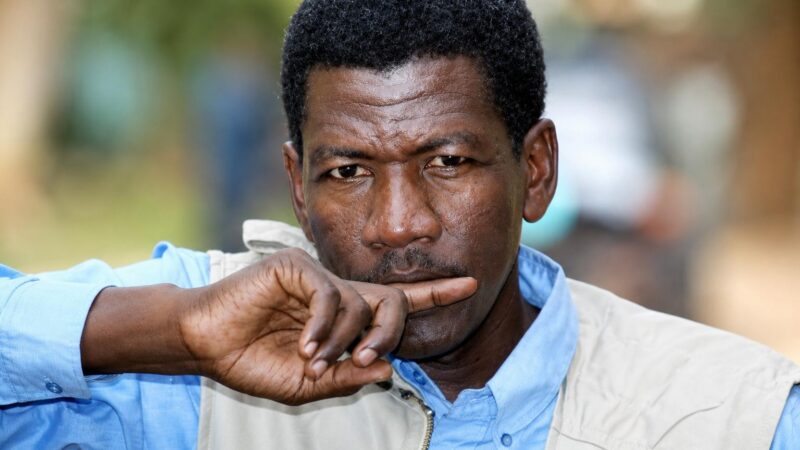
Senegal’s veteran diplomat cheikh niang pushes for stronger AES ties

Senegal’s diplomatic leadership is taking bold steps to redefine its role in the Sahel. At the heart of this strategy stands Cheikh Niang, a seasoned diplomat whose expertise is now focused on bridging gaps with the Alliance of Sahel States (AES). His mission? To restore dialogue, foster trust, and pave the way for deeper regional collaboration in a time of shifting alliances.
With decades of experience in international relations, Niang brings a wealth of knowledge to this critical juncture. His appointment as Minister of African Integration, Foreign Affairs, and Senegalese Abroad positions him as a key architect of Senegal’s vision for a more cohesive Sahel. His approach is rooted in pragmatism—balancing Senegal’s strategic interests with the urgent need for regional stability.
Why Senegal’s diplomacy matters in the Sahel
The Sahel region faces complex challenges, from security threats to economic instability. Senegal, though not a member of the AES, has emerged as a neutral yet influential voice. Niang’s efforts are part of a broader strategy to position Senegal as a bridge between conflicting blocs, ensuring that Dakar remains a hub for dialogue and cooperation.
His initiatives focus on three core pillars:
- Strengthening diplomatic channels: Niang is spearheading efforts to revive communication lines with AES member states, emphasizing mutual respect and shared objectives.
- Promoting economic resilience: By advocating for regional trade agreements and infrastructure projects, he aims to reduce dependency on external actors and boost intra-Sahel commerce.
- Enhancing humanitarian cooperation: Addressing the plight of displaced populations and fostering cross-border solidarity are central to his agenda.
A diplomat’s vision for the Sahel’s future
Niang’s leadership is not just about short-term fixes; it’s about shaping a long-term vision for the Sahel. He envisions a region where borders are not barriers but bridges, where collective action outweighs fragmentation. His recent engagements with AES counterparts reflect a commitment to turning this vision into reality.
As Senegal navigates its role in the evolving Sahel landscape, Niang’s diplomatic acumen will be pivotal. His ability to navigate delicate political terrain while maintaining Senegal’s sovereignty sets a precedent for how West African nations can engage constructively in regional affairs.
For stakeholders across the Sahel, Niang’s initiatives offer a glimmer of hope. In a region often defined by division, his work underscores the power of dialogue and the importance of sustained engagement. The path forward is fraught with challenges, but with leaders like Niang at the helm, the prospects for a more stable and integrated Sahel are within reach.