Cameroon leadership in question as president biya remains absent
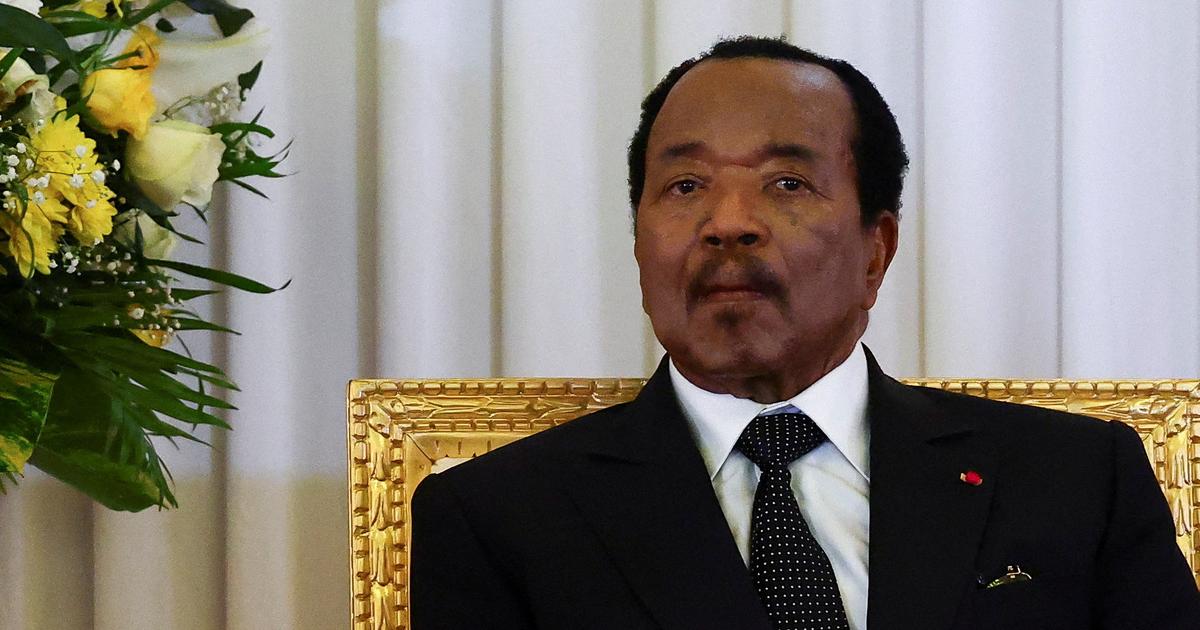
Where has President Paul Biya vanished to? This question lingers as civil society groups and opposition parties in Cameroon raise concerns not just about his whereabouts but his very presence. Now 93 years old, the veteran leader—reelected in 2025 amid disputed elections—currently holds the title of the world’s oldest serving head of state.
Since departing Yaoundé on June 7, Biya has been operating from Geneva, Switzerland, under the guise of a “brief private visit.” This marks the first instance in his 44-year presidency that he has spent over 50 days abroad on personal grounds. Critics highlight the absurdity of the situation: “Cameroon functions as if it’s upside down—a nation led by the world’s oldest president, who spends more time abroad than in his own palace,” remarked a local editorial.
Government functions continue despite the void
Even in his prolonged absence, the presidency continues issuing official decrees under Biya’s name. Most recently, on August 3, a series of presidential orders issued from Geneva reshuffled the military leadership, appointing key figures to strategic roles. This move has intensified questions about who truly wields power and what decisions are being made in the president’s name.
Symbolic gestures or real authority?
The timing and nature of these decrees—signed far from Cameroon’s capital—raise eyebrows. While the presidency frames the actions as routine administrative procedures, skeptics argue they underscore a leadership vacuum. With Biya’s advanced age and extended absence, the line between symbolic gestures and substantive governance blurs, leaving citizens and analysts alike to wonder: who is steering the country?