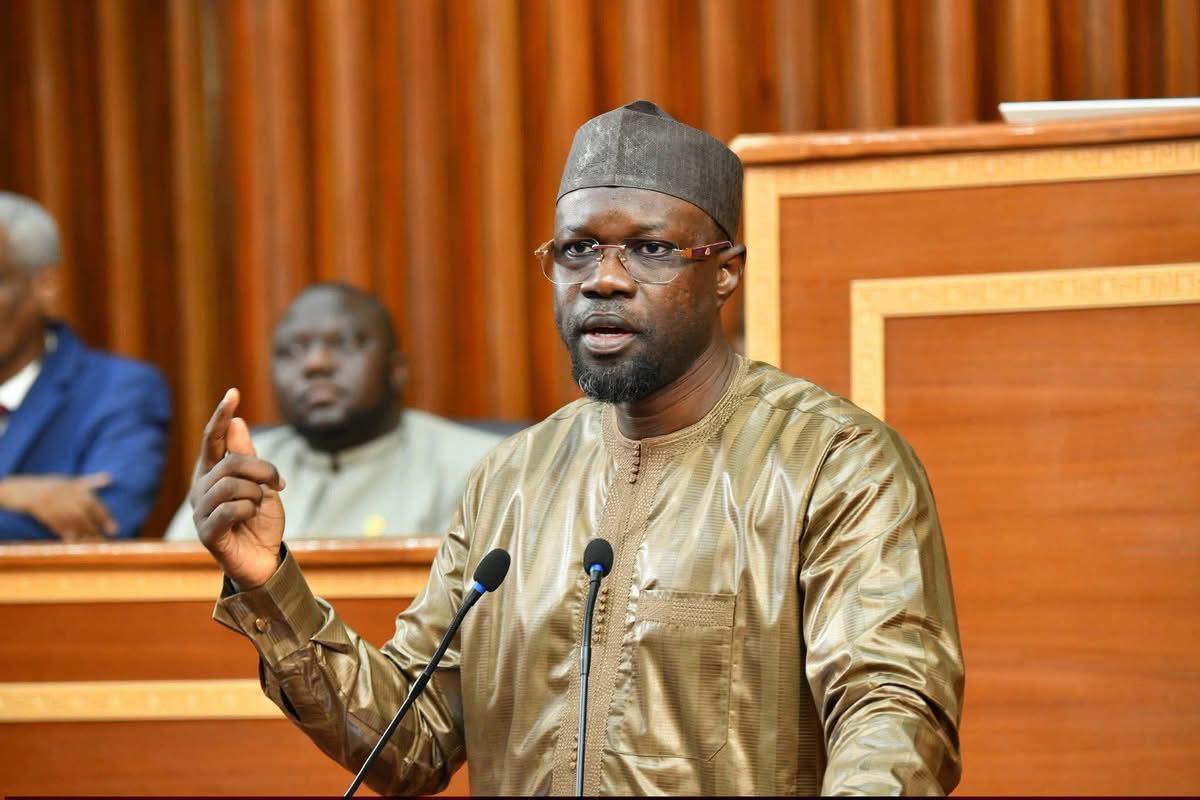
In a sequence of events marked by meticulous political maneuvering, the leader of the Patriotes movement has swiftly ascended to the presidency of the National Assembly, confirming his unrelenting pursuit of institutional dominance. The question now arises: is this a prelude to a paralyzing standoff at the heart of the Senegalese state?
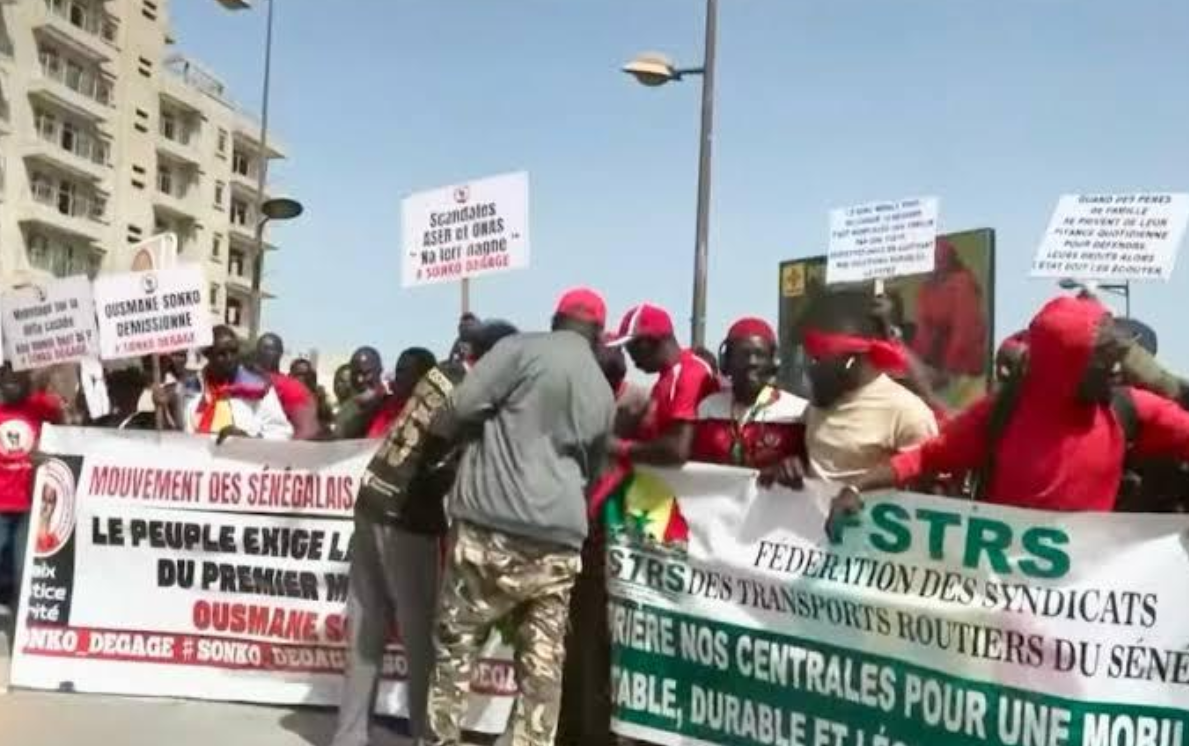
The unfolding scenario raises eyebrows. Ousmane Sonko, recently dismissed from his prior government role, has not languished in political obscurity. His swift transition to the helm of the National Assembly—following the abrupt resignation of the sitting president—has left observers questioning the transparency of the process. Within days, the former opposition figure found himself perched in the speaker’s chair, wielding legislative authority.
Critics argue that this maneuver grants him unprecedented influence over the legislative machinery. By occupying the presidency of the Assembly, Sonko now commands the legislative agenda, budgetary decisions, and the passage of laws—tools that could be weaponized to obstruct executive initiatives and destabilize governance.
A calculated bid for institutional supremacy
With this appointment, Sonko positions himself as a direct rival to the executive branch. Analysts warn that the stage is set for a contentious cohabitation, where legislative paralysis could become a deliberate strategy. The new Assembly president now holds a decisive lever in the political equation, capable of stalling or reshaping the government’s agenda.
« This is no longer politics as usual; it is a calculated attempt to asphyxiate the state apparatus, » remarked a political observer who requested anonymity. « The battle for institutional control has entered a critical phase. »
Power or principle?
Opponents paint Sonko’s ascent as the work of an opportunist, cloaking personal ambition in the rhetoric of systemic change. Once a vocal critic of the establishment, he now occupies one of its most pivotal roles. To his detractors, this transformation reveals a leader who has mastered the art of political opportunism, leveraging crises to consolidate his own position.
Yet supporters argue that his rise reflects the will of a significant portion of the electorate, frustrated by entrenched governance and demanding a new direction. Whether his leadership will serve the public interest or deepen institutional fractures remains an open question.
One certainty lingers: Senegal’s political landscape has undergone a seismic shift. The battle for control of the state’s institutions has only just begun, and the repercussions of this power play will shape the nation’s trajectory for years to come.