Senegal’s public debt debate: exploring the ‘odious debt’ theory
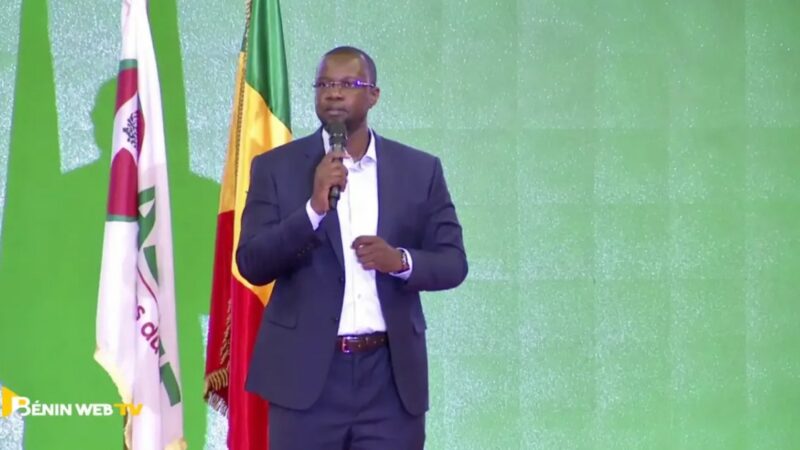
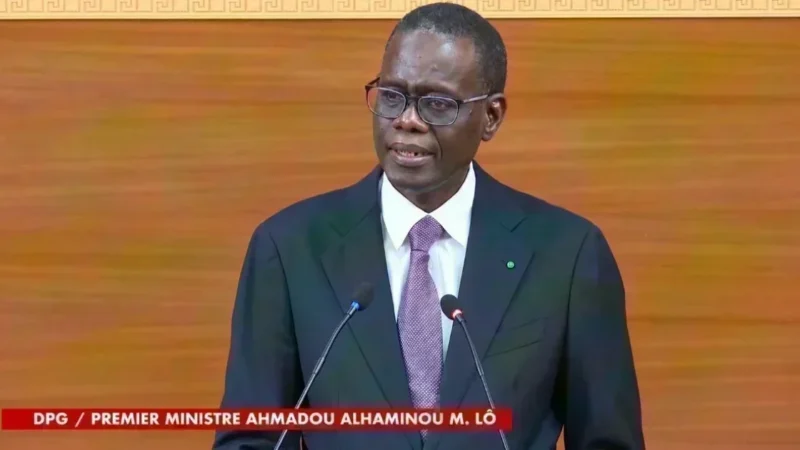
In a bold move that has reignited national discussions on economic governance, Ousmane Sonko, President of Senegal’s National Assembly, has brought the concept of ‘odious debt’ into the spotlight. The opposition leader, now a key figure in the country’s political arena, argues that portions of Senegal’s accumulated public debt may fall under this controversial legal framework.
During a high-profile appearance, Sonko emphasized the importance of transparency in public finances, positioning it as a cornerstone for rebuilding trust between the government and both citizens and international stakeholders. He framed this transparency not merely as a policy choice but as a strategic necessity to prevent further economic instability.
« We made the decision to start from a solid foundation, » he stated, warning that concealing financial realities could have weakened Senegal’s economic resilience in the long run.
While acknowledging the principle that sovereign states must honor their financial commitments, Sonko proposed that certain debts—particularly those accumulated under questionable circumstances—warrant a thorough review. He advocated for an international dialogue on how to classify and address such debts, highlighting the need for a nuanced approach rooted in international law.
The ‘odious debt’ doctrine, though not universally recognized, refers to borrowings made without benefit to the population or under contested conditions. Its application remains a subject of intense debate among legal scholars and economists worldwide.
Reflecting on his brief tenure as Prime Minister, Sonko admitted that institutional constraints at the time limited his ability to fully explore this issue. However, he revealed a shared vision with President Bassirou Diomaye Faye on the importance of prudent fiscal management and sustainable economic policies.
In a firm stance against abrupt debt restructuring, Sonko cautioned against measures that could undermine Senegal’s financial credibility, particularly in negotiations with multilateral institutions like the International Monetary Fund (IMF). He stressed that resolving the debt crisis requires a balanced approach—one that combines fiscal discipline with economic sovereignty and structural reforms essential for long-term growth.
As global economic uncertainties and geopolitical tensions persist, the sustainability of Senegal’s public debt remains one of the most pressing challenges facing the nation today.