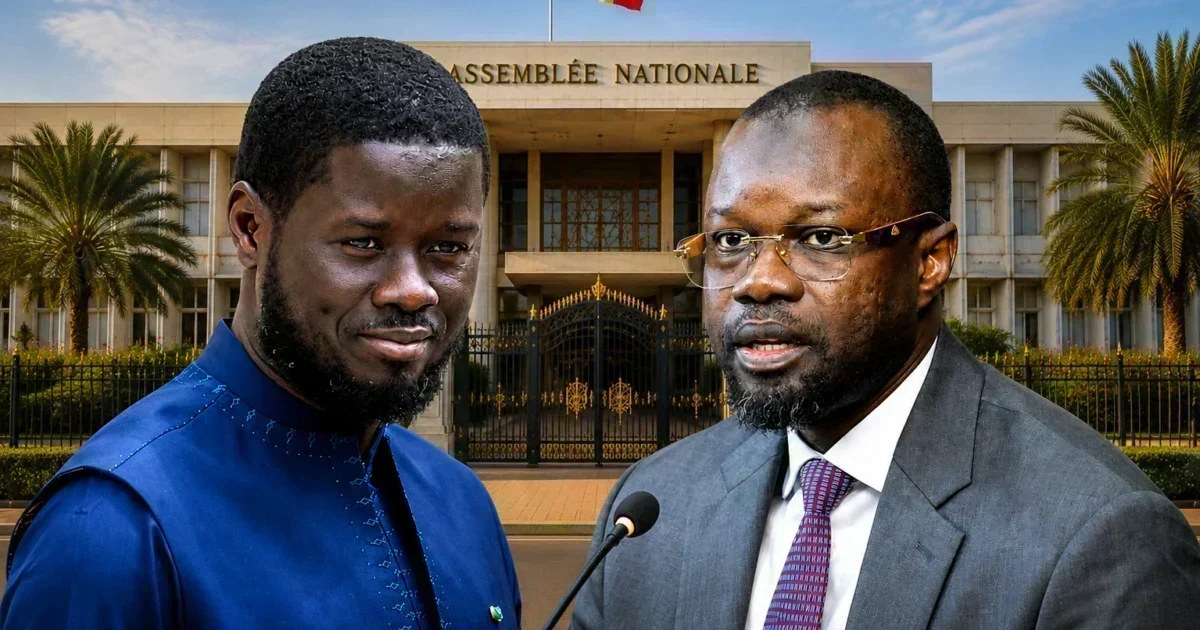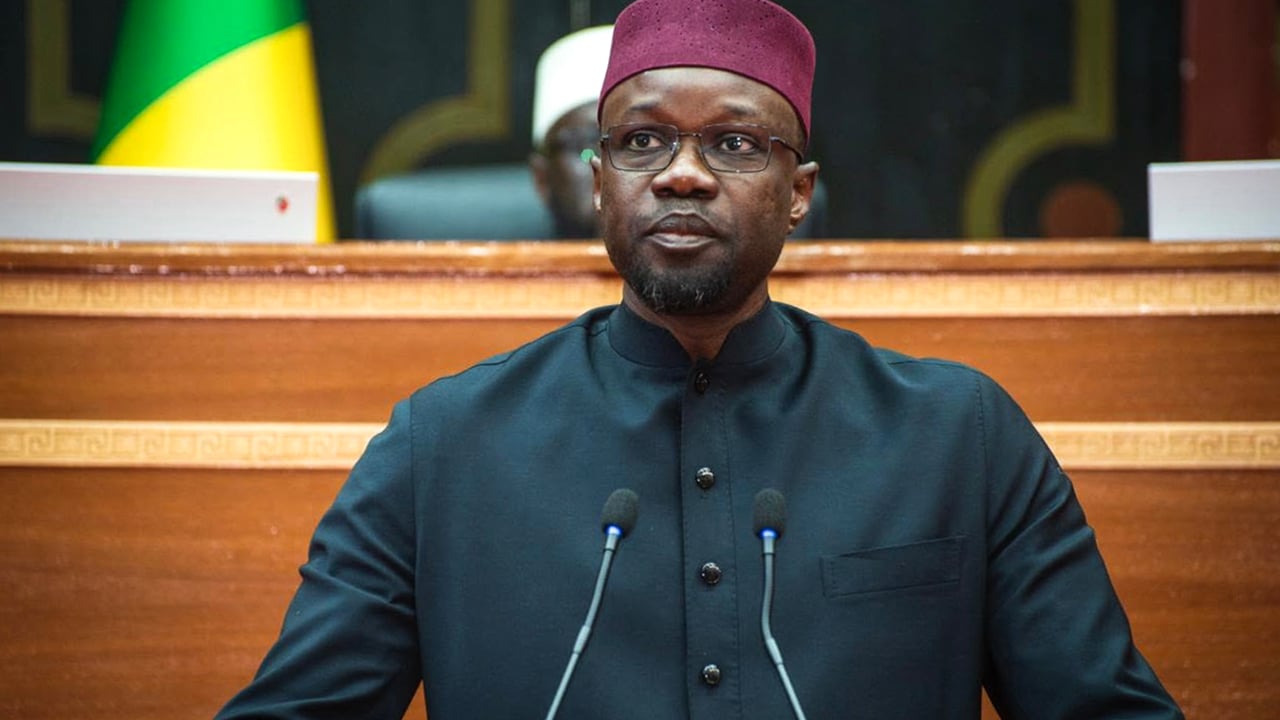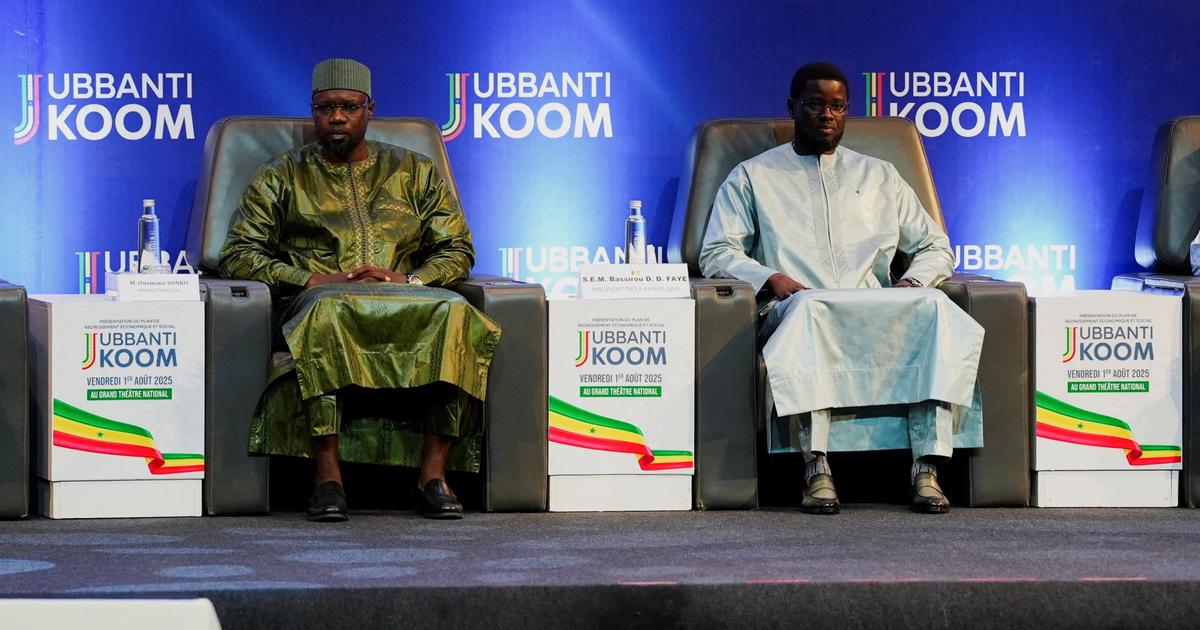
In Senegal, political tensions reached a boiling point with President Bassirou Diomaye Faye’s decision to dismiss Prime Minister Ousmane Sonko. The move, announced on May 22, capped months of escalating disputes between the two leaders, once allies turned adversaries in the heart of the Teranga.
Immediately after the dismissal, National Assembly President Malick Ndiaye announced his resignation from the parliamentary leadership—though not from his seat—setting the stage for Sonko’s potential return to the legislative chamber as a deputy.
A pivotal vote on the horizon
The National Assembly is set to convene an extraordinary session on May 26 to elect a new president. Analysts anticipate Sonko’s swift election as the Assembly’s leader, given his strong influence within the ruling party, the Pastef (Patriotes africains du Sénégal pour le travail, l’éthique et la fraternité), which holds 130 of the 165 parliamentary seats.
This strategic shift would position Sonko as Senegal’s second-highest-ranking official and its constitutional successor, granting him leverage to challenge Faye’s authority. The question now looms: how far will the clash between the two leaders extend?
The stakes of institutional power
With Sonko poised to control the legislature, the risk of legislative gridlock grows. His ability to block government initiatives could plunge Senegal into a constitutional crisis, especially if he leverages his new role to undermine Faye’s agenda. The rivalry between the two men, once united in their opposition to former President Macky Sall, now threatens to fracture the party they helped build.
Sonko’s ambitions remain unchecked, fueled by his deep support within the Pastef and a revised electoral code that could pave the way for his 2029 presidential bid. Yet legal uncertainties persist, with the Constitutional Council yet to rule on his eligibility—a hurdle that may yet derail his aspirations.
A precarious balancing act
The electoral law changes, passed in early May, aim to clarify ineligibility criteria, but critics argue they serve as a tactical maneuver to reinstate Sonko and Faye after their own legal battles under Sall’s administration. The opposition warns of a political game where personal rivalries overshadow national interests.
As Senegal braces for a high-stakes showdown, the nation’s stability hinges on whether pragmatism will prevail over ego. The Pastef, once a symbol of unity, now risks self-destruction if its leaders fail to reconcile. The clock is ticking, and the outcome will shape Senegal’s political future.