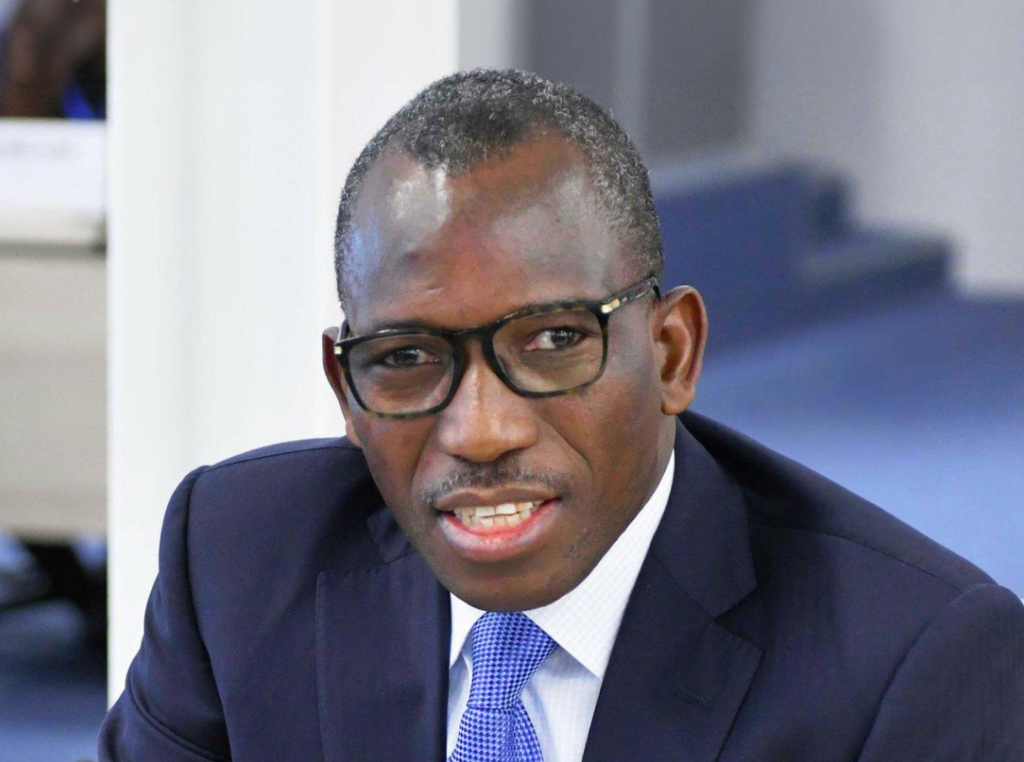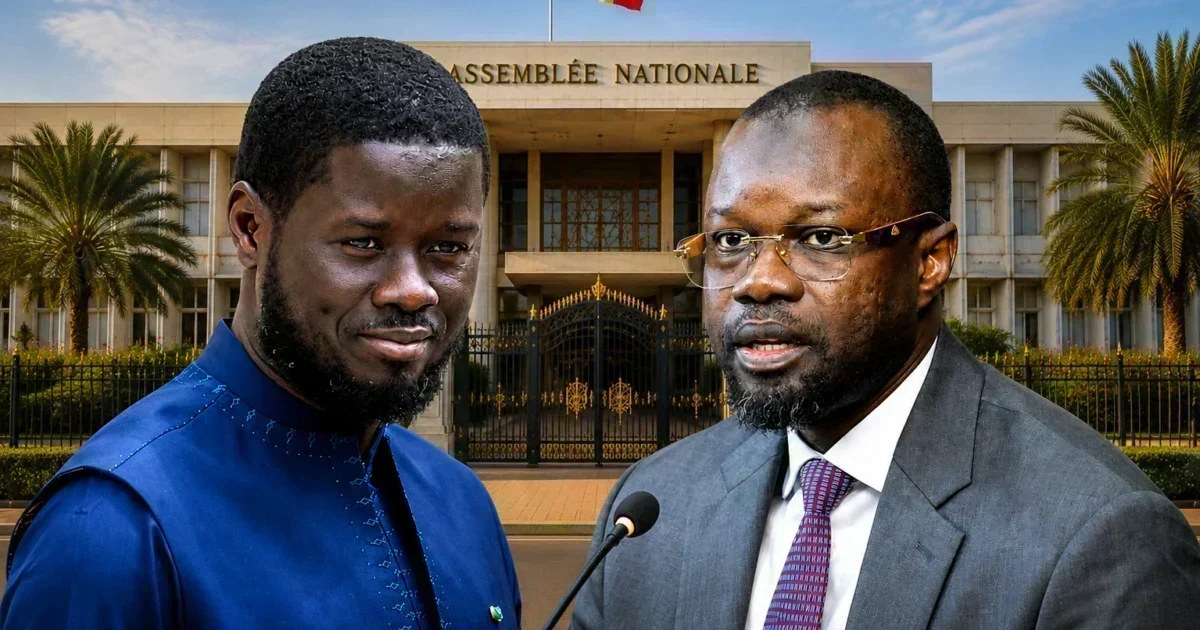
The revised Senegal electoral code has officially become law. President Bassirou Diomaye Faye, who took office in April 2024, signed the decree enacting the legislation passed by parliament, finalizing a legislative process closely monitored by political circles nationwide. At the heart of this reform lies a stricter framework for candidate ineligibility rules—a topic that sparked intense debates both in the legislature and among the public.
Senegal tightens candidate eligibility criteria
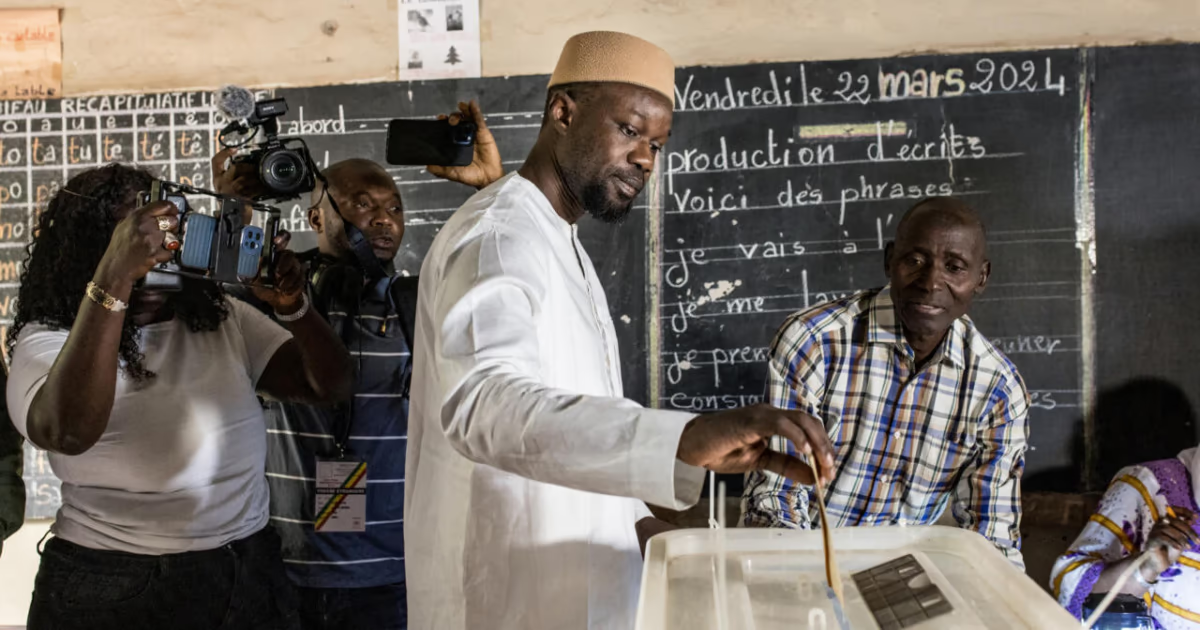
The updated electoral code introduces clearer guidelines on when a citizen may be barred from running for office. It defines stricter conditions for civil rights deprivation, establishes fixed durations for such penalties, and outlines appeal procedures. These measures directly influence candidate lists and aim to prevent recurring disputes that have marred past elections, including the February 2024 presidential vote, which faced delays before ultimately taking place in March.
Candidate eligibility has been a contentious issue in Senegal. Prominent political figures, including former presidential contenders, have had their candidacies blocked by judicial decisions interpreted in conflicting ways. By tightening these rules, lawmakers seek to minimize legal ambiguity and strengthen the constitutional council’s ability to validate candidacies transparently.
Reform driven by president’s ruling coalition
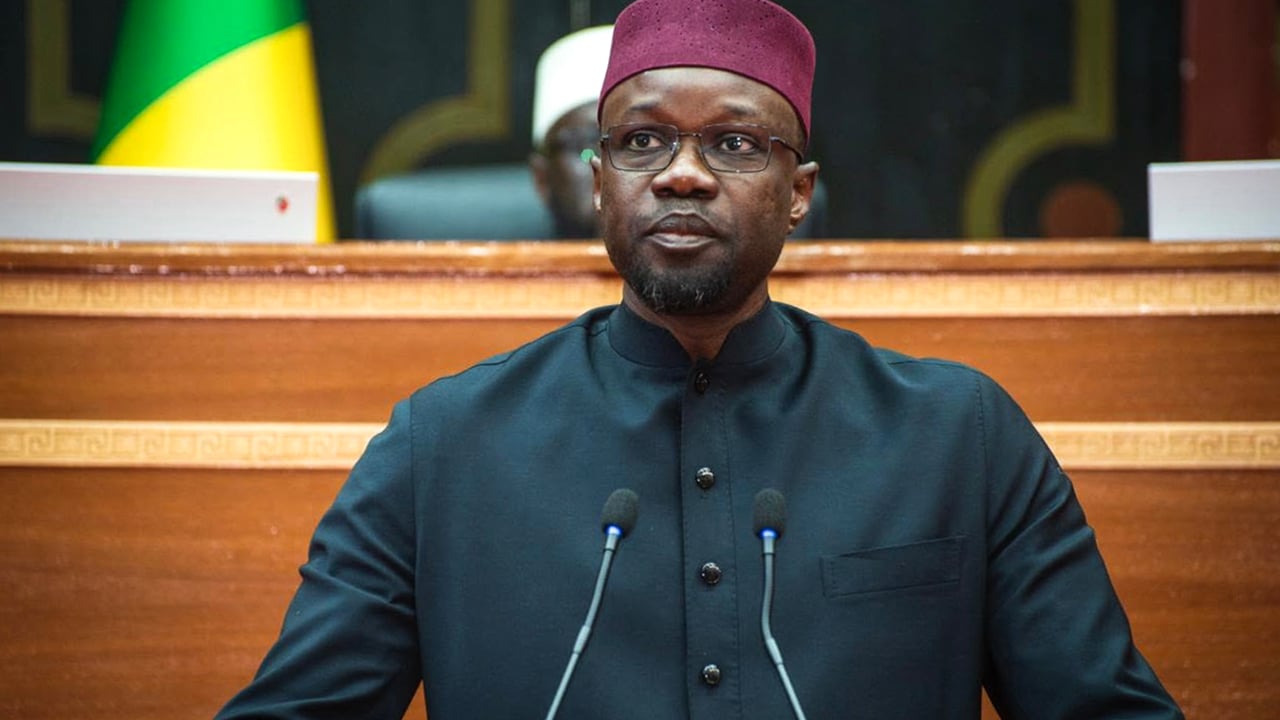
The changes align with the institutional roadmap of the governing coalition, led by the Pastef party founded by Ousmane Sonko. Following the November 2024 early parliamentary elections, which handed the presidential camp a commanding majority in parliament, the executive now has the political leverage to advance key legal reforms. The electoral code revision joins other initiatives, including judicial reform and updates to laws dating back a decade.
Proponents of President Faye argue that the new framework corrects past oversights where exclusions were perceived as politically motivated. Meanwhile, the opposition remains cautious, expressing concerns that revised thresholds and criteria could be exploited to sideline future dissenting candidates or critics of the government.
Impact on upcoming elections
The enactment paves the way for immediate implementation of the new rules in upcoming polls, starting with local elections expected in the coming months. Political parties will need to adjust their nomination strategies to comply with the updated framework. Legal experts anticipate that the constitutional council will closely examine the law’s consistency with the 2001 Constitution, which has undergone multiple amendments, during early legal challenges.
Beyond legal implications, the reform carries political significance. The government, which emerged from the March 2024 political transition, aims to institutionalize a new governance cycle distinct from the previous administration. The electoral code revision serves as a key milestone in fulfilling a campaign promise of a more predictable system, where access to elections no longer depends on opaque judicial interpretations. Its effectiveness will only become clear in practice.
Regional implications for West Africa
Amid political upheavals in neighboring Sahel countries like Mali, Burkina Faso, and Niger, Senegal’s commitment to maintaining a clear electoral calendar holds regional weight. Dakar remains one of the few capitals in West Africa to uphold pluralistic elections despite tensions in 2023 and 2024. By strengthening the legal safeguards of the electoral process, Senegal reinforces its democratic positioning, especially as the Economic Community of West African States (ECOWAS) faces existential challenges following the withdrawal of three Sahelian nations.
The coming months will reveal whether the reform achieves its intended effect of reducing disputes or instead fuels new rounds of political contention.