Senegal’s democratic backsliding raises alarm bells
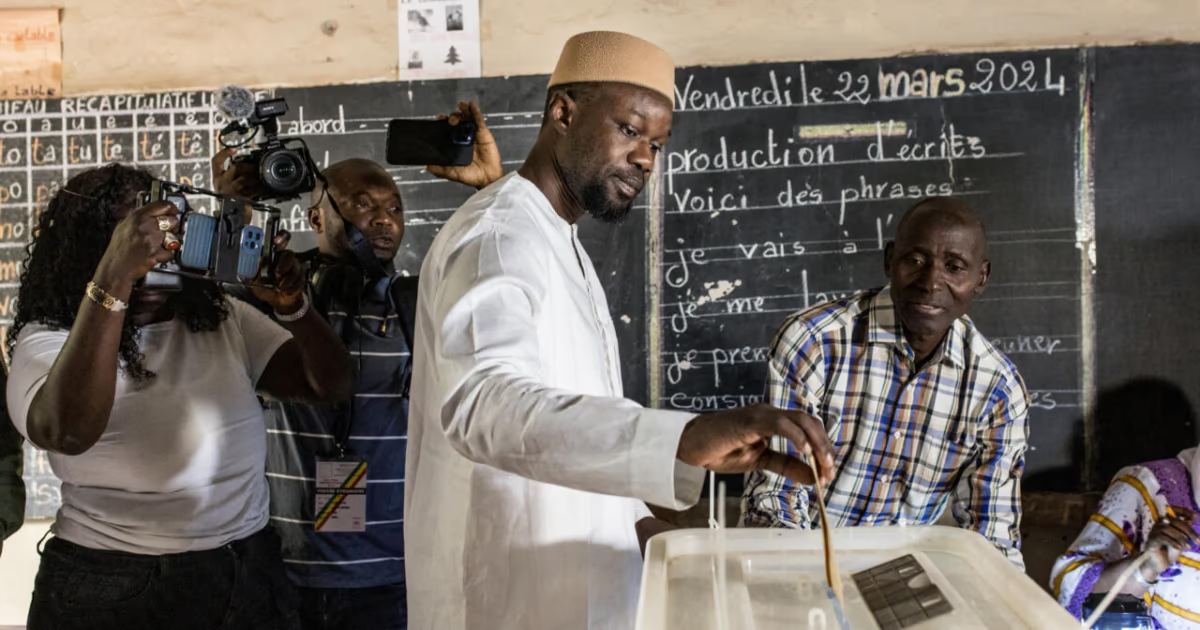
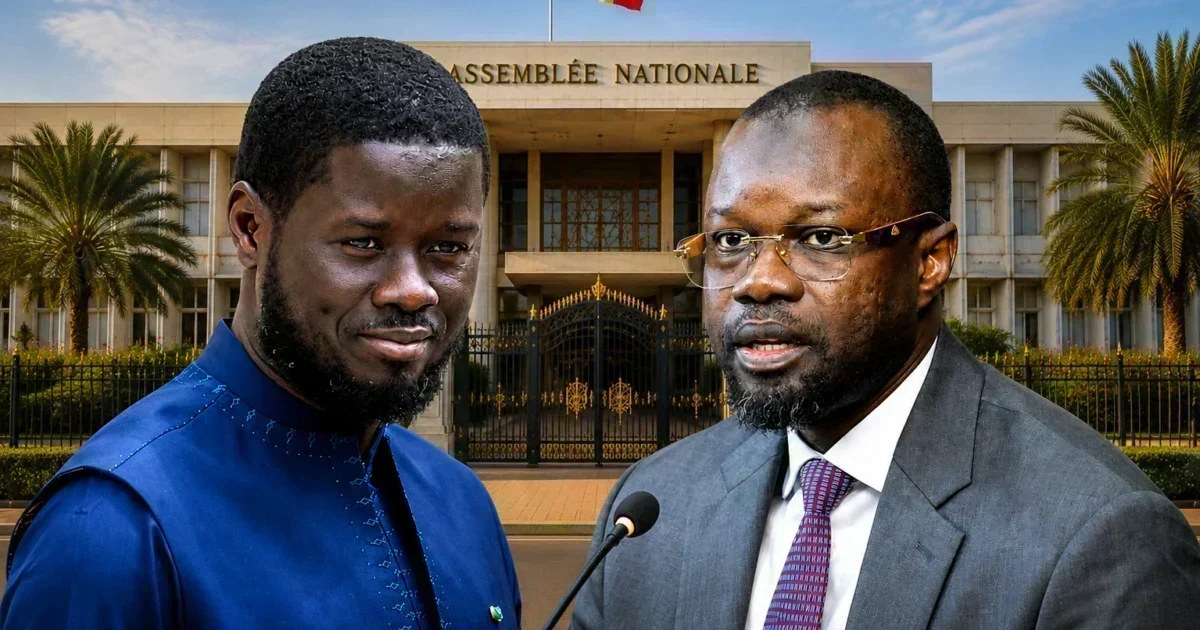
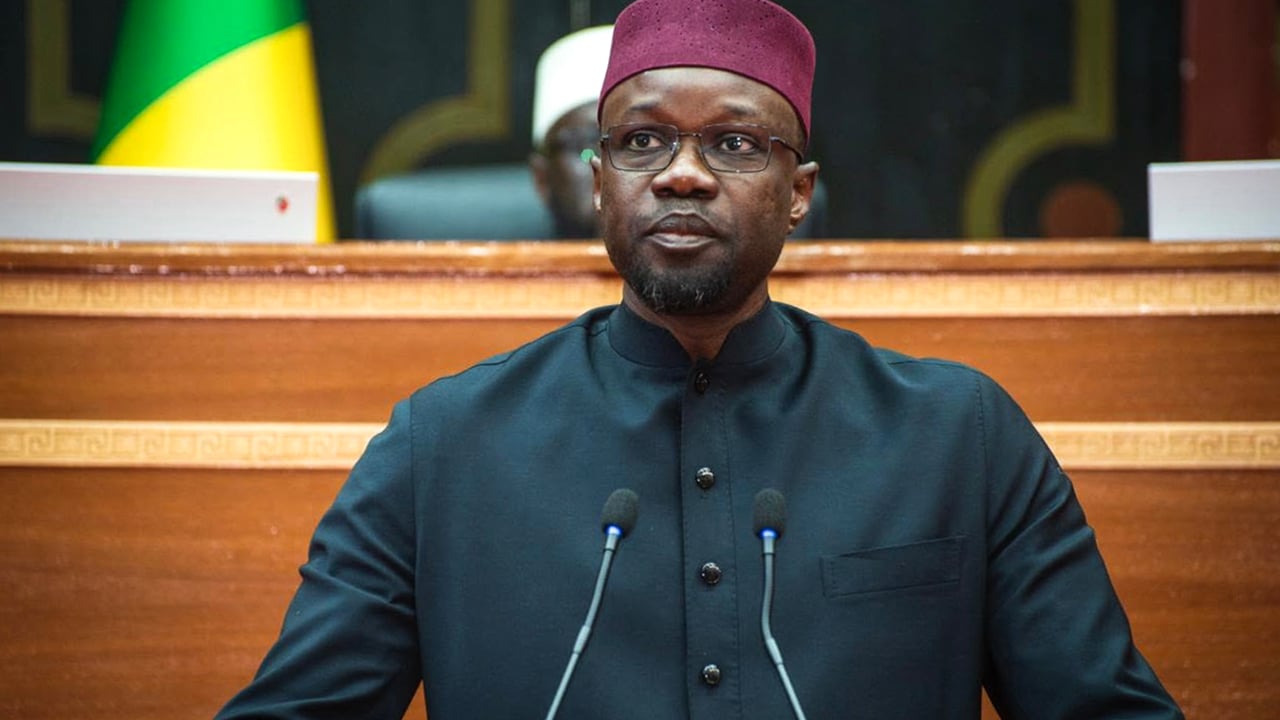
Recent legislative changes in Senegal have sparked widespread concern about the erosion of democratic norms. The country’s political landscape has become increasingly polarized, with the current administration under President Bassirou Diomaye Faye adopting authoritarian tendencies that prioritize a narrow, exclusionary national identity over inclusive governance.
Legislative shifts and their implications
The introduction of laws targeting specific social groups has drawn international attention. Most notably, legislation penalizing homosexuality has become a focal point of debate, reflecting broader trends in the country’s political climate. These measures are not isolated incidents but part of a pattern of policy decisions that raise questions about Senegal’s commitment to democratic principles.
Political polarization and authoritarian drift
Senegal’s political environment has grown increasingly tense, with public discourse becoming more divided. The current administration’s rhetoric has increasingly positioned Western values as incompatible with national identity, a stance that has resonated with certain segments of the population while alienating others. This ideological shift has contributed to a growing perception of authoritarian governance.
What this means for Senegal’s future
The trajectory of Senegal’s political evolution is cause for concern among observers both domestically and internationally. The combination of legislative changes and authoritarian tendencies suggests a country at a crossroads. The implications of these developments will likely extend beyond borders, affecting regional stability and Senegal’s standing in the global community.
Key takeaways:
- Recent laws targeting specific social groups have intensified concerns about democratic erosion in Senegal.
- The current administration’s rhetoric has fostered a climate of political polarization and exclusion.
- Senegal’s trajectory raises questions about its future as a democratic state and its regional role.