A significant judicial development has emerged concerning the 45 billion CFA franc arms contract, originally signed during former President Macky Sall’s previous five-year term. In Dakar, two individuals implicated in the case have been formally detained following a complaint lodged by the State Judicial Agency (AJE), the entity responsible for safeguarding Senegal’s public assets. This particular file, recognized as one of the most sensitive uncovered by the current administration, underscores its clear commitment to thoroughly scrutinizing strategic agreements from the preceding government.
State Judicial Agency Complaint Central to the Investigation
The procedural impetus for this case originates from the AJE, an institution whose influence has grown considerably since the Bassirou Diomaye Faye and Ousmane Sonko administration took office in 2024. Operating under the Ministry of Finance, this agency functions as the Senegalese state’s principal litigation arm, tasked with recovering public funds believed to have been improperly committed or misappropriated. By presenting the matter to an investigating judge, the AJE facilitated the initiation of a judicial inquiry and the questioning of key figures involved in the contract.
Following this initial stage, two implicated individuals were transferred to a detention facility, indicating that magistrates deemed the evidence sufficient to warrant their provisional incarceration. The substantial sum involved, 45 billion CFA francs (approximately 69 million euros), positions this case among the most significant financial disputes handled by the Senegalese judiciary in recent memory. The current government has escalated such judicial referrals since the 2024 release of the Court of Auditors’ report, which highlighted numerous prior budgetary discrepancies.
Arms Contract Signed During Macky Sall’s Presidency
The contested agreement pertains to the procurement of equipment for Senegal’s defense and security forces. Executed during Macky Sall’s presidential tenure, spanning from 2012 to 2024, this period saw a significant increase in security spending, driven by the deteriorating Sahelian situation and military operations along the southern border, particularly in Casamance. At that time, several arms contracts were processed through exceptional, classified defense procedures, thereby bypassing standard parliamentary oversight.
It is this very lack of transparency that the new administration, born from the political transition, aims to address. Investigators are scrutinizing several aspects: the actual delivery of goods, the alignment of unit prices with international benchmarks, and the potential presence of overbilling or clandestine commissions. The ongoing inquiry seeks to determine whether a portion of the 45 billion CFA francs was diverted from its stated purpose or if intermediaries illicitly profited from excessive, non-market margins.
Political Ramifications and Diplomatic Considerations
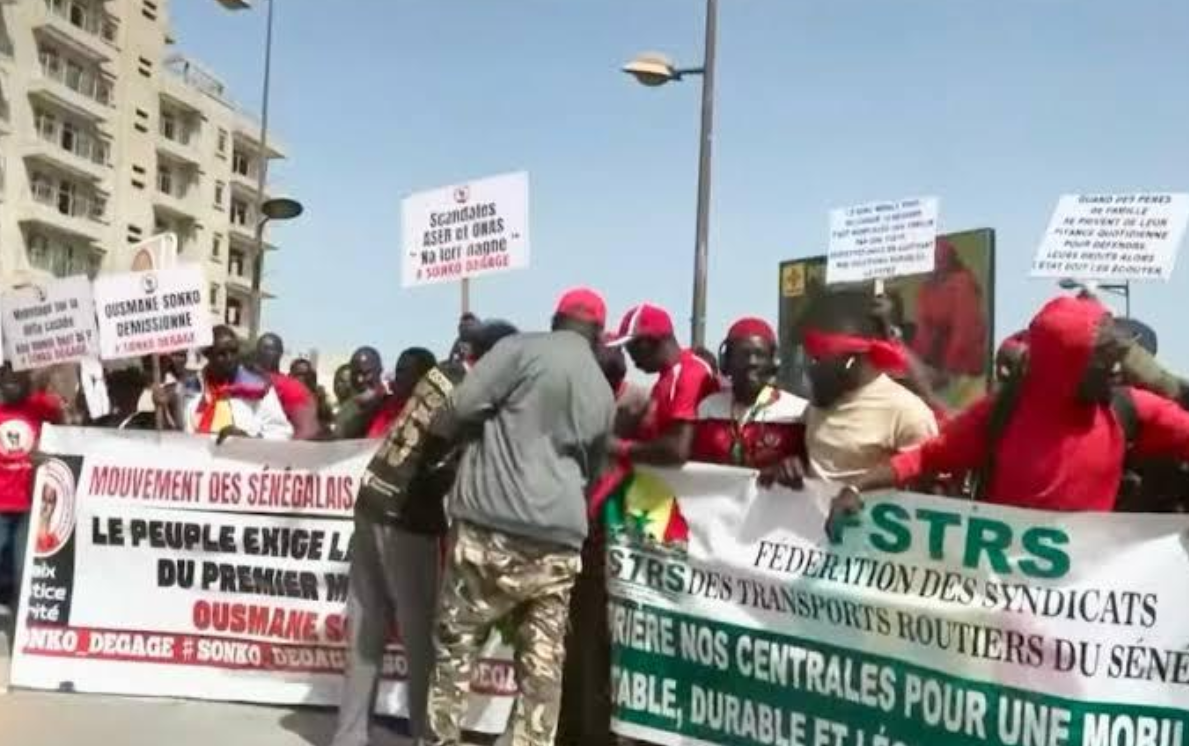
Beyond its purely legal dimensions, this case carries clear political weight. Ousmane Sonko’s government has positioned accountability as a cornerstone of its agenda, and the detention of individuals linked to public contracts from the previous administration reinforces a narrative of systemic change. Already, several former high-ranking officials have been questioned in related investigations concerning hydrocarbons, infrastructure, and land ownership.
However, the arms procurement aspect introduces an additional layer of sensitivity. Suppliers involved in such contracts are frequently foreign companies, occasionally backed by partner states, which could complicate international judicial assistance requests. Dakar must balance its demand for transparency with maintaining vital military cooperation channels, including its evolving relationship with Paris and partnerships forged in recent years with Turkey, Israel, and various Gulf nations.
The precise identities of the two incarcerated individuals and the judicial timeline to be set by the financial division remain undisclosed. The investigation itself could span many months, or even longer, given the intricate nature of the financial records and the potential need for international rogatory commissions to be executed beyond national borders. The proceedings are now entering an in-depth investigative phase.