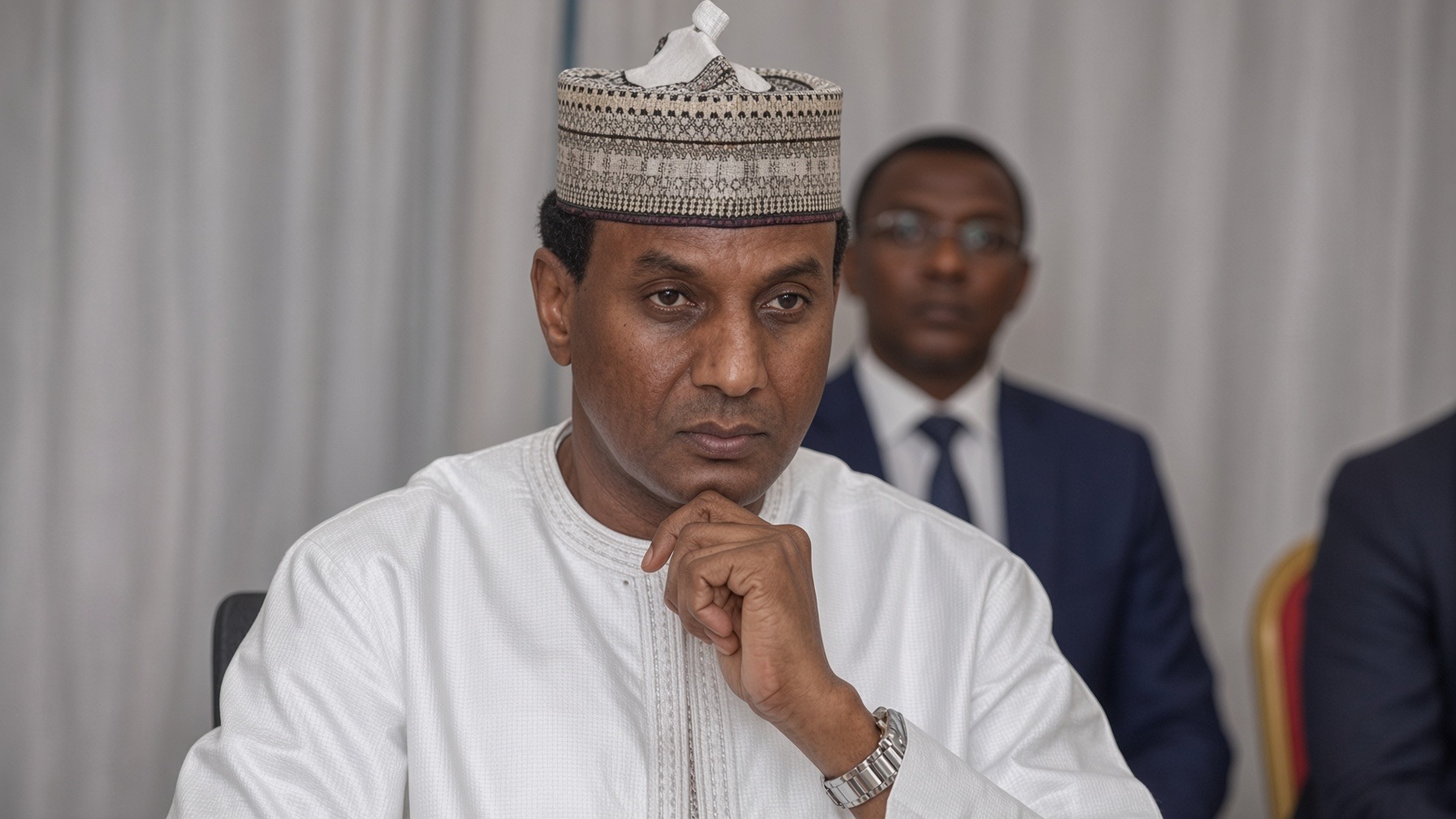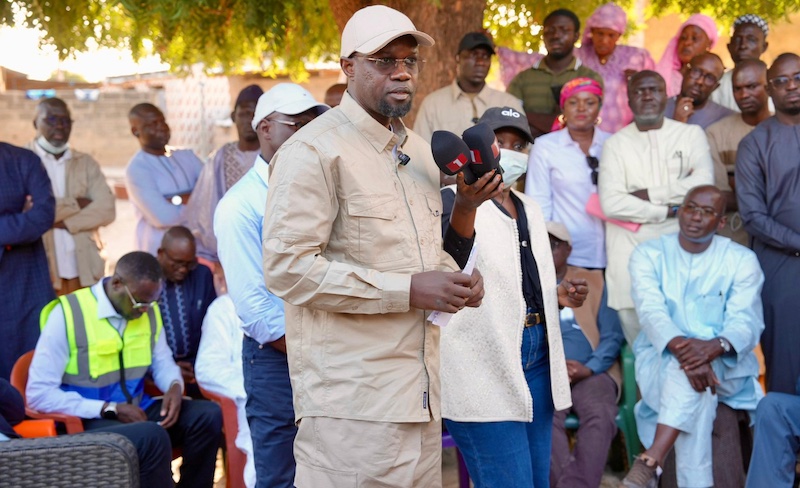
Prime Minister Ousmane Sonko has placed the upcoming 2026-2027 rainy season agricultural campaign at the heart of his latest cabinet meeting discussions. While acknowledging the progress made by key national institutions like the Senegalese Institute for Agricultural Research (ISRA) and Chemical Industries of Senegal (ICS) in producing certified seeds and fertilizers, the head of government delivered a candid assessment of the sector’s current challenges.
The Prime Minister highlighted persistent structural weaknesses that continue to hinder the country’s progress toward achieving food sovereignty goals. These obstacles include recurring seed autonomy deficits, quality inconsistencies from previous harvests, and inefficiencies in producer targeting systems.
Critical challenges: seed quality, credit access and storage infrastructure
The government has identified several urgent priorities to address these issues. First, reducing reliance on imported seeds by strengthening local seed production capacities. Second, improving the agricultural credit system to ensure more farmers can access necessary financing. Third, expanding storage infrastructure across the country to minimize post-harvest losses.
To combat irregularities in input distribution and prevent diversion of agricultural supplies, the Prime Minister has mandated the acceleration of digital transformation within the agricultural supply chain. This initiative follows successful pilot implementations in Tivaouane and Nioro regions. In the interim period before comprehensive subsidy reforms are implemented, government agencies must ensure transparent pricing and timely delivery of agricultural inputs throughout Senegal.