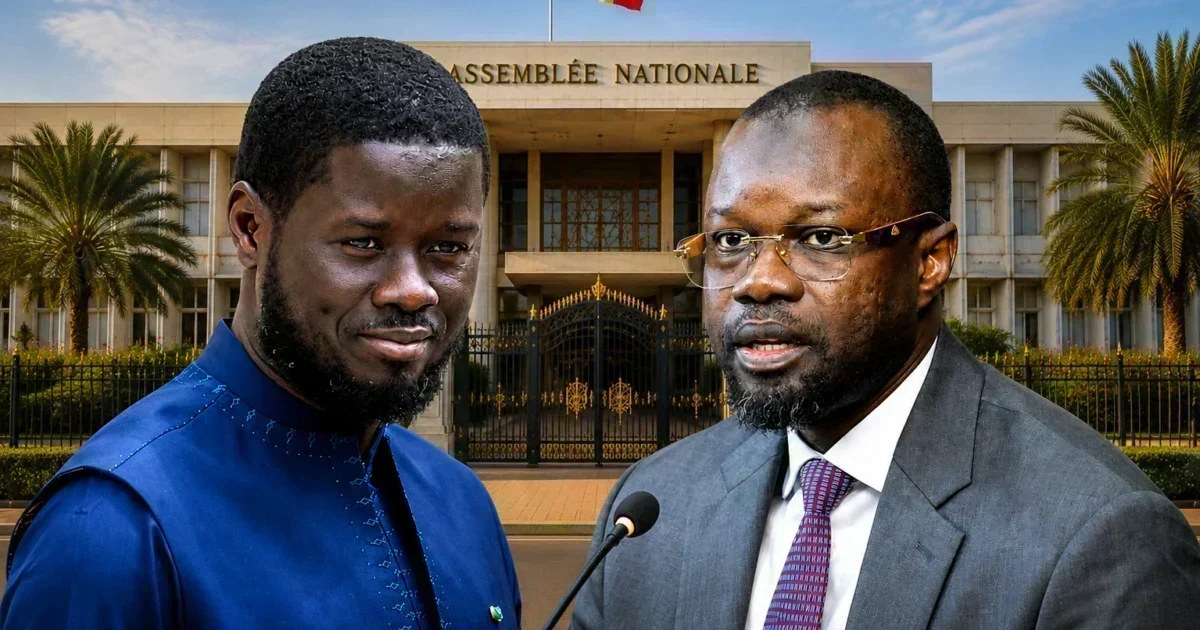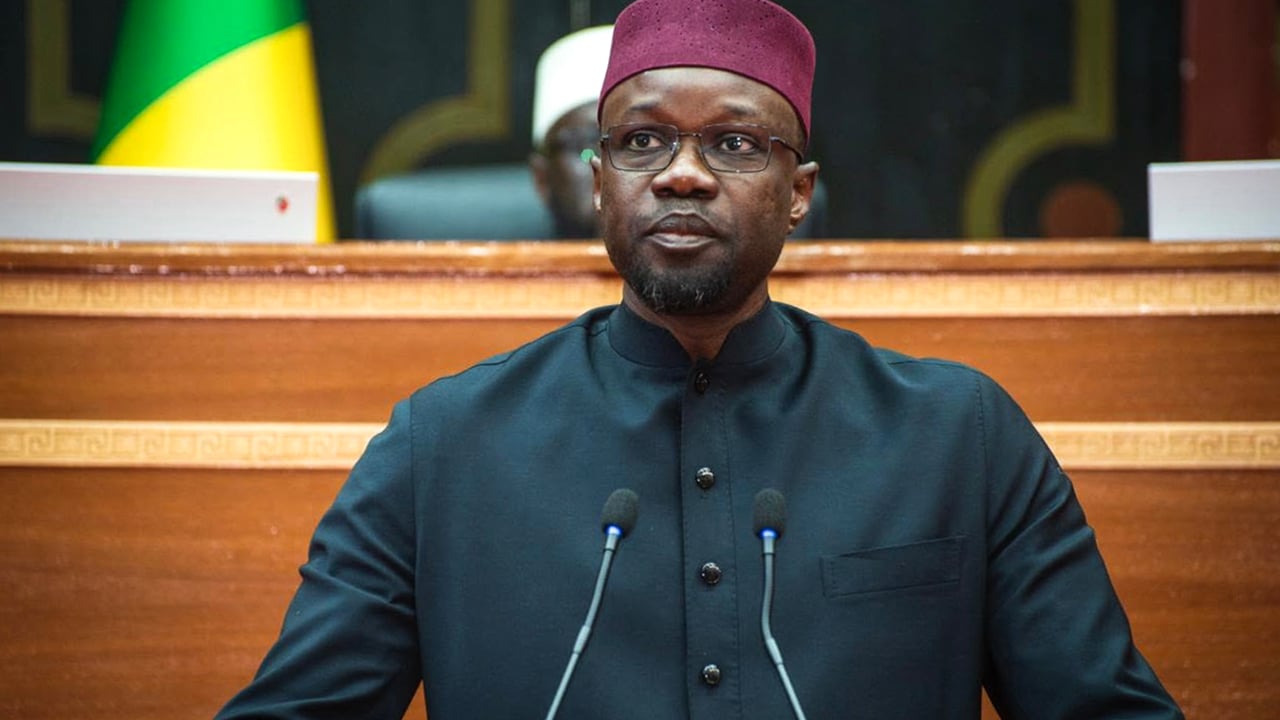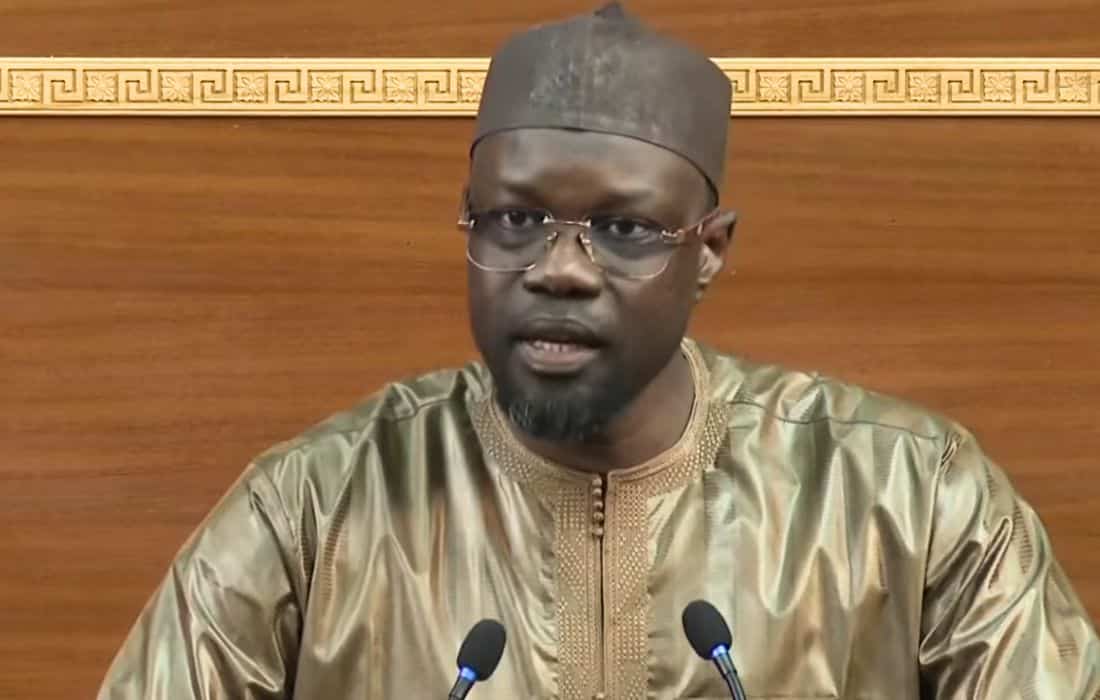
The Senegalese Prime Minister, Ousmane Sonko, has strongly criticized what he describes as Western « diktat » and « tyranny » during a parliamentary address on May 22, accusing foreign powers of attempting to « impose homosexuality » worldwide. This statement reflects a growing political narrative in Senegal that frames the issue of LGBT rights as a battleground between national sovereignty and human rights, particularly as the country intensifies its legal crackdown on same-sex relations.
The Prime Minister’s remarks come amid a broader political climate where Western pressures are increasingly rejected in the name of national autonomy, with LGBT rights serving as a symbolic point of contention in geopolitical tensions.
In early 2026, Senegal further tightened its laws against same-sex relationships, increasing penalties to between five and ten years imprisonment. This legislative shift coincides with a surge in public visibility of the issue and a social climate marked by stigma, discrimination, and reported arrests by human rights organizations.
LGBT rights debate in Senegal: a distorted public discussion
The debate surrounding LGBT rights in Senegal is often overshadowed by polarizing rhetoric, particularly on social media, where statements like « no one will dictate our laws », « these are our values », and « mind your own business » dominate. Beneath these slogans lies a persistent tension between the defense of national sovereignty and the promotion of universal human rights.
In this context, discussions about LGBT rights are frequently dismissed as foreign interference, while legal restrictions are justified in the name of culture, tradition, or national identity. This narrative shift diverts attention from the lived realities of LGBT individuals in Senegal.
Senegal’s strict legal framework against same-sex relations
The Senegalese Penal Code criminalizes same-sex relationships, a stance that was reinforced in 2026 with harsher penalties, including up to a decade in prison. Beyond the legal implications, human rights advocates warn of severe social consequences—stigma, arbitrary arrests, and violence—facing LGBT individuals in the country.
The public debate extends far beyond legal technicalities, touching on the daily lives, safety, and dignity of those affected by these laws.
Why Senegal’s LGBT rights matter beyond its borders
A recurring question arises: why do international organizations engage with Senegal’s LGBT rights situation? The answer lies in the principle of universal human rights. When individuals face punishment or violence based on their sexual orientation, it transcends national concerns, becoming a matter of global human dignity and security.
Ignoring these violations would imply accepting that human rights protections end at a country’s borders, despite their intended universality.
Human rights: external imposition or self-imposed commitments?
Contrary to common misconceptions, human rights are not an externally imposed standard but rather a set of principles to which Senegal itself has voluntarily committed. The 2001 Senegalese Constitution explicitly references the Universal Declaration of Human Rights, affirming the country’s dedication to non-discrimination and fundamental freedoms.
In this light, advocating for LGBT rights is not about imposing a foreign model but upholding existing legal and moral obligations. The debate in Africa, including Senegal, should focus on protecting individuals at risk rather than resisting perceived external pressures.
LGBT identities are not foreign to Senegalese society
Another persistent myth claims that LGBT identities are alien to African societies, a notion contradicted by historical and contemporary realities. LGBT individuals exist across all societies, including Senegal, where they are born, live, and contribute to the nation’s fabric.
Historical records also document diverse gender and sexual expressions in West Africa. For example, the goor-jigeen in Senegal represent a long-standing social reality that predates modern categories. These examples underscore that discussions about LGBT rights are not about importing foreign concepts but addressing enduring human experiences.
A debate shaped by multiple tensions
The discourse on LGBT rights in Senegal is entangled with broader issues: colonial legacies, domestic political struggles, social dynamics, and outright hostility toward LGBT individuals. In this environment, advocacy for human rights is often framed as foreign interference, while legal repression is justified under the guise of cultural preservation.
Public rhetoric sometimes escalates to alarming extremes, with terms like « threat » or « cancer » used to describe LGBT individuals. Such language does not merely reflect disagreement—it dehumanizes those at the center of the debate, reducing their identities to problems to be eradicated.
Defending rights without imposing values
Advocacy organizations emphasize that their mission is not to impose Western values but to ensure no individual faces punishment, exclusion, or violence due to their sexual orientation. Behind debates on sovereignty or cultural relativism lies a stark reality: real people endure danger because of who they are. This is unacceptable by any standard.
Human rights violations are not confined to Senegal. They occur globally, from Russia to China, and organizations respond based on local context, available resources, and urgent needs. Attention to one crisis does not diminish others—it reflects specific calls for action where violations are most pressing.
Taking concrete action
In response to these challenges, initiatives are underway to provide direct support to LGBT individuals in Senegal. Campaigns offer legal assistance, emergency aid, and solidarity to those affected by criminalization, turning awareness into tangible relief for vulnerable communities.