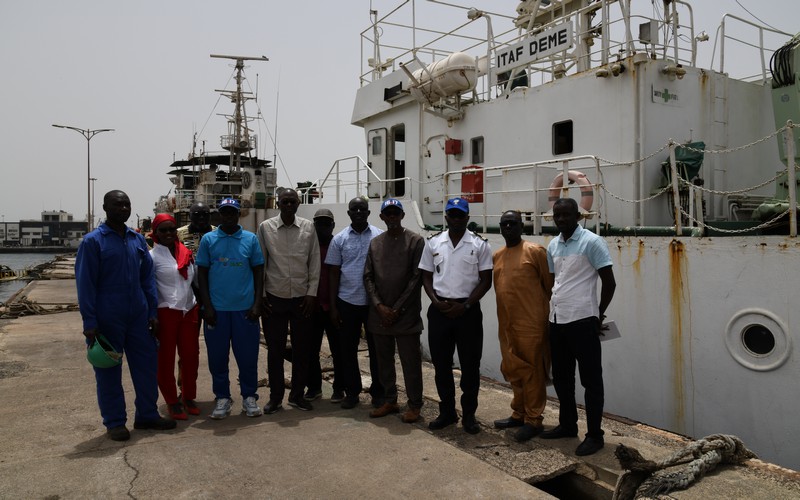
Senegal is taking bold steps to revitalize its maritime research capabilities with the upcoming rehabilitation of the ITAF Dème research vessel. The announcement follows a high-profile inspection by senior officials at the autonomous Port of Dakar, underscoring the nation’s commitment to strengthening both its scientific infrastructure and economic sovereignty at sea.
Since its operational halt in November 2022, this floating laboratory—operated by the Dakar-Thiaroye Oceanographic Research Center (CRODT) under the Senegalese Institute of Agricultural Research (ISRA)—has left a significant gap in the country’s scientific monitoring and fisheries management efforts.
The ITAF Dème: A cornerstone of Senegal’s blue economy and marine research
The vessel has long served as a vital platform for assessing fish stocks, monitoring marine ecosystems, gathering oceanographic data, and training technical and scientific personnel. Its role extends beyond research: it enhances Senegal’s maritime sovereignty by enabling the production of homegrown marine data, reducing reliance on foreign expertise, and reinforcing the country’s leadership in West African fisheries and oceanography.
However, its prolonged inactivity has disrupted critical scientific operations, particularly oceanographic surveys and routine fish stock assessments—both essential for sustainable marine resource management.
Ministerial inspection sparks hope for the vessel’s return
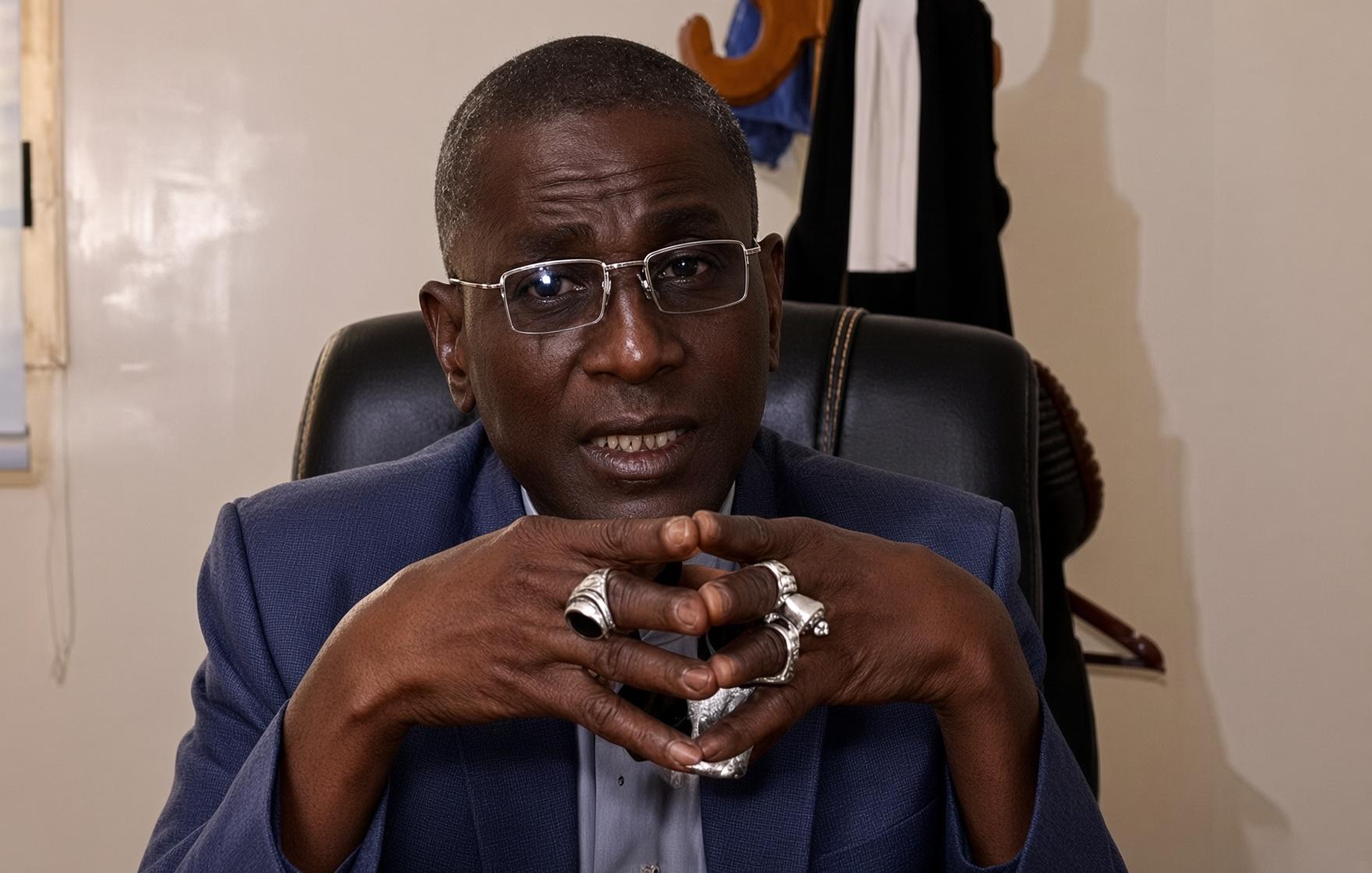
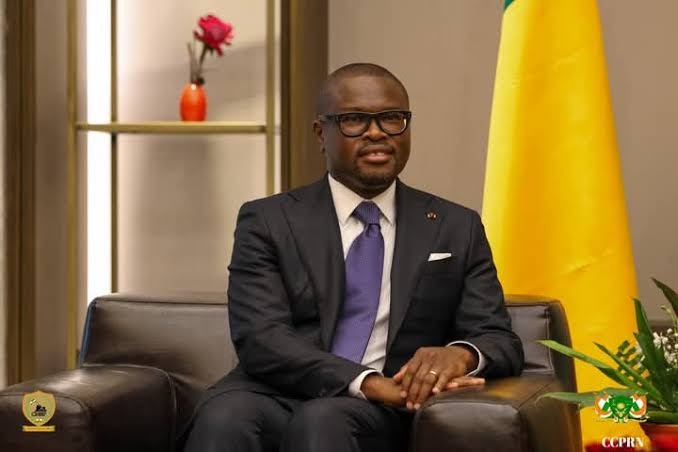
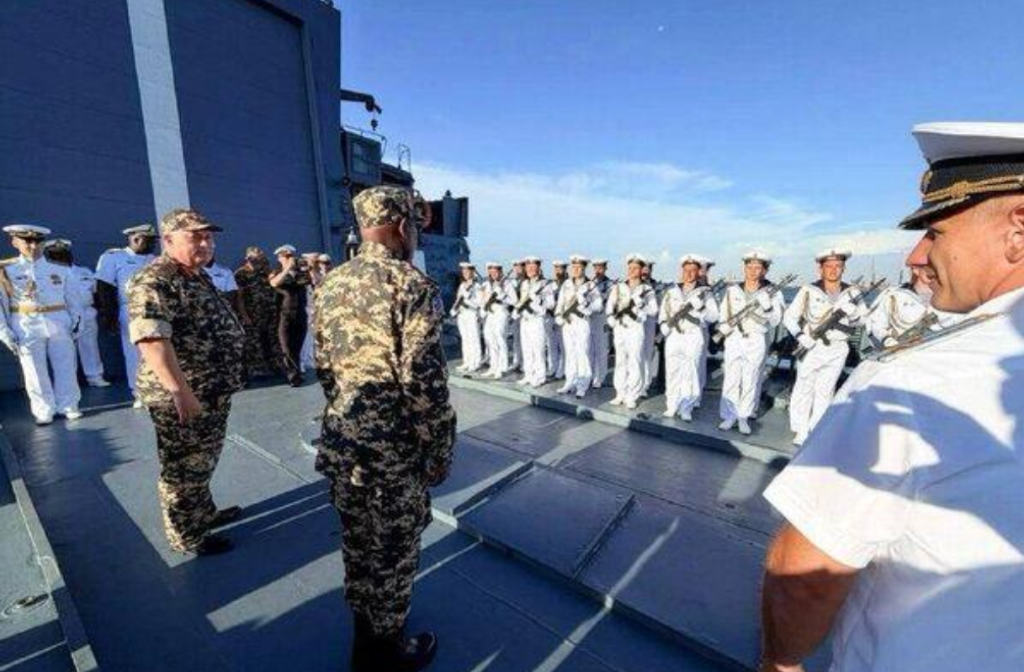
A recent official visit led by Dr. Mamadou Abibou Diagne, Secretary-General of the Ministry of Fisheries and Maritime Economy, brought renewed momentum to the rehabilitation project. The inspection included high-ranking officials such as Dr. Moustapha Guèye (ISRA Director General), Youssoupha Bâ (ISRA Secretary-General), and Dr. Ismaïla Ndour (CRODT Director), along with the vessel’s commander, Seydina Hamza Amar.
During the assessment, Commander Amar provided a detailed technical update, confirming that the ITAF Dème remains structurally and operationally viable. His assessment indicated that targeted rehabilitation work could restore the vessel to full functionality, allowing it to resume its vital scientific missions.
Government reaffirms commitment to fisheries research and blue economy growth
Following the inspection, Dr. Diagne reaffirmed the government’s dedication to enhancing national marine research capabilities. He emphasized that alongside ongoing plans to acquire a new research vessel, the rehabilitation of the ITAF Dème is a strategic priority. The goal is to establish it as a key asset in managing marine resources sustainably and advancing Senegal’s blue economy agenda.
Dr. Diagne also highlighted the central role of the fisheries sector in the national economy, justifying the government’s strong focus on restoring the vessel’s operational status.
CRODT warns of far-reaching impacts of the vessel’s downtime
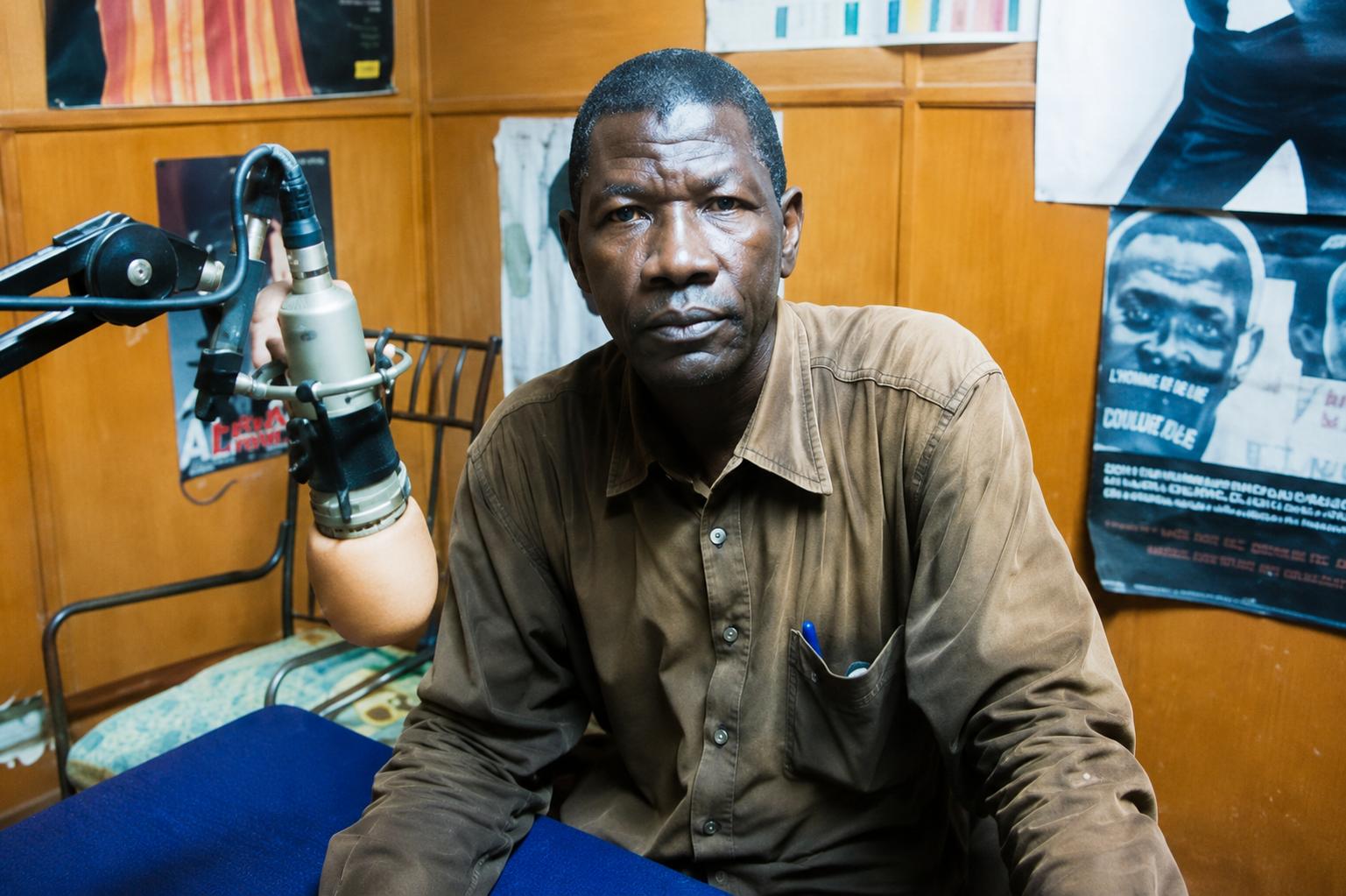
Dr. Ismaïla Ndour, Director of CRODT, welcomed the ministerial visit as a positive signal for fisheries and oceanographic research. He stressed that the high-level presence on board the ITAF Dème reflects growing recognition of scientific research in shaping national fisheries and maritime policies.
He also warned of the severe economic and scientific consequences stemming from the vessel’s immobilisation. With the ITAF Dème currently the only national platform for fisheries research, key activities—such as determining fish stock surpluses required for profitable fishing agreements—have been severely hampered.
Additionally, Senegal’s regional leadership in fisheries and oceanographic research has been significantly weakened due to the suspension of scientific campaigns that the vessel previously conducted across West Africa.
Dr. Ndour concluded that the renewed government engagement signals promising progress toward addressing long-standing challenges in marine research, particularly in upgrading scientific equipment, operational capacity, and marine resource monitoring systems.