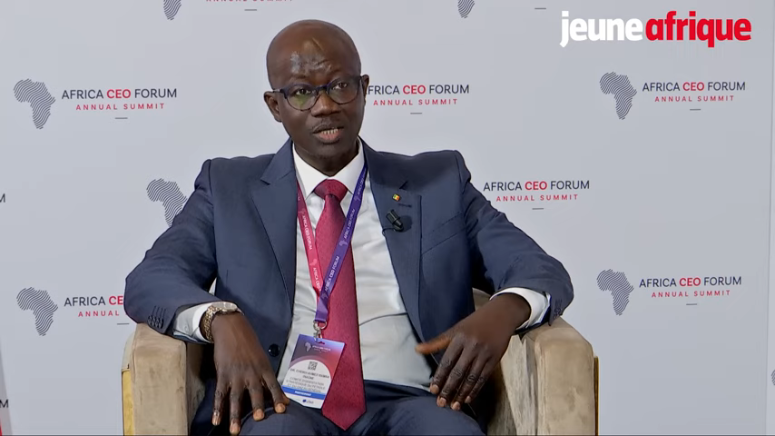
The tensions between Senegal and major oil companies are escalating. Khadim Bamba Diagne, Permanent Secretary of the Strategic Orientation Committee for Oil and Gas, announced at the Africa CEO Forum on May 14 that Dakar is not ruling out any measures—including international arbitration—to renegotiate contracts signed with BP and Woodside.
Diagne justified this firm stance by emphasizing the need to clarify exploitation terms early on. Companies are bound by contracts lasting 30 to 50 years, and correcting mistakes quickly is preferable to allowing them to persist indefinitely, he explained.
Senegal’s oil and gas reserves are located offshore, directly impacting the fishing sector, which employs between 600,000 and 700,000 Senegalese. Diagne stressed that a responsible state cannot accept an exploitation model that harms such a significant workforce without ensuring fair returns for the country.
The Permanent Secretary rejected the paradigm where African nations bear the brunt of negative externalities while companies reap the lion’s share of profits. The goal is to ensure that fishermen and the nation benefit from hydrocarbon price surges.
The current crisis, which has driven hydrocarbon prices to record highs, bolsters Senegal’s position. Diagne noted that companies are profiting handsomely from these price spikes, and Senegal must secure its fair share. All partners in the joint ventures must see equitable benefits in this new price landscape, he insisted.
Arbitration could establish legal precedents and clarify rights and obligations for decades to come. Senegal has just begun exploiting its oil and gas reserves but has no set timeline for when extraction will conclude—making it critical to establish robust foundations now.