While global attention focuses on conflicts in Ukraine and the Middle East, a worsening humanitarian crisis in the Sahel region remains largely overlooked. In 2026, over 24 million people across the Sahel will require urgent assistance, according to United Nations projections, making this one of the most severe and underfunded crises worldwide.
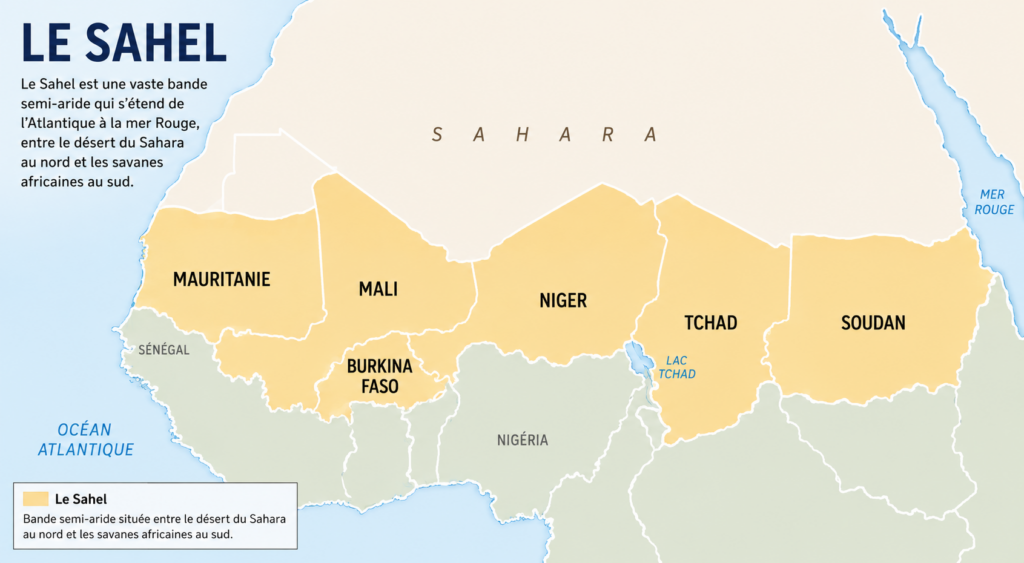
From Mauritania to Chad, spanning Mali, Burkina Faso, and Niger, communities are grappling with a compounding series of crises that erode their ability to cope. Armed conflicts, mass displacement, soaring inflation, climate change, and food insecurity are converging to push millions of families to the brink of survival.
The United Nations Office for the Coordination of Humanitarian Affairs (OCHA) has released stark figures. Between June and August—the lean season before harvests—nearly 15.5 million people could face food crises or worse. Among them, over 1.5 million may slip into emergency food insecurity, requiring immediate intervention.
Behind these numbers lie stark realities: families skipping meals, farmers unable to afford fertilizers or seeds, children losing access to education, and entire communities uprooted by violence.
International aid dwindles amid growing needs
One of the most alarming developments is the sharp decline in humanitarian funding. In 2025, only 29% of the required funds for regional operations were secured—an unprecedented low. This shortfall has forced aid agencies to scale back interventions, suspend critical programs, or withdraw from highly vulnerable areas.
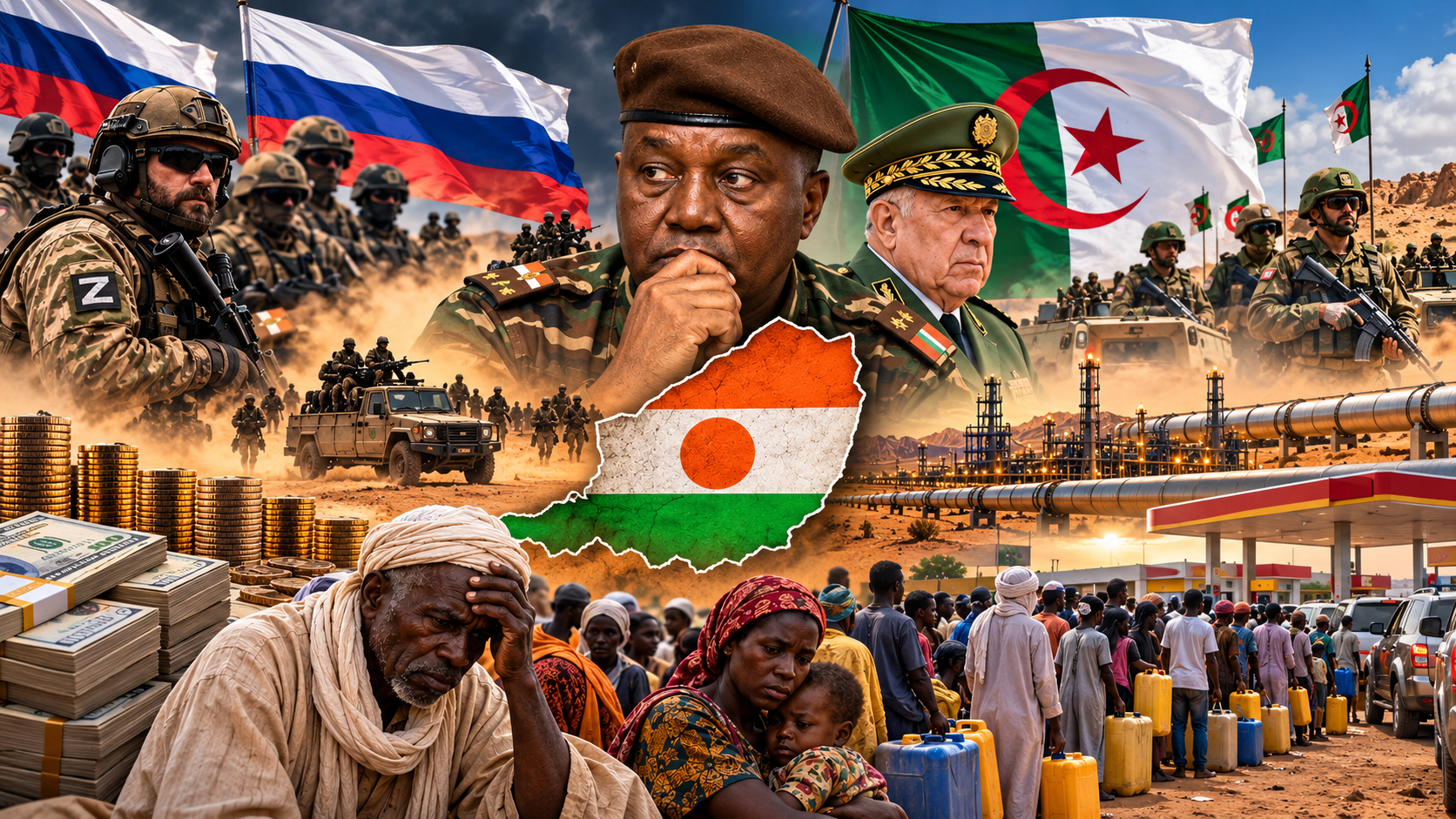
This funding gap coincides with rising needs. Global economic strains, particularly from tensions in the Middle East, have driven up energy, transport, and agricultural input prices. These increases disproportionately impact already struggling populations. For the United Nations, every reduction in funding directly translates into human consequences: less food aid, reduced protection for women and children, and diminished access to healthcare and education.
Expanding insecurity deepens the crisis
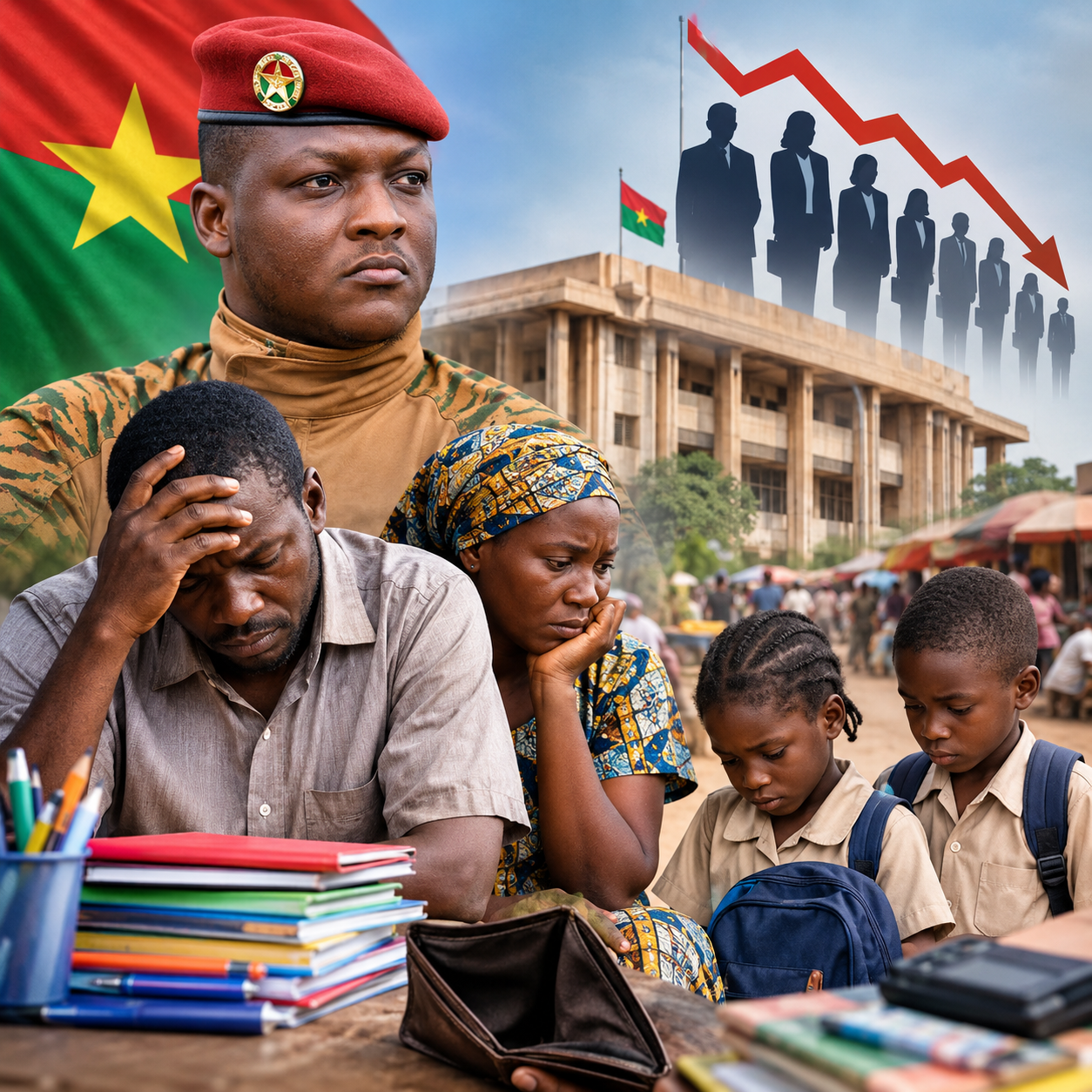
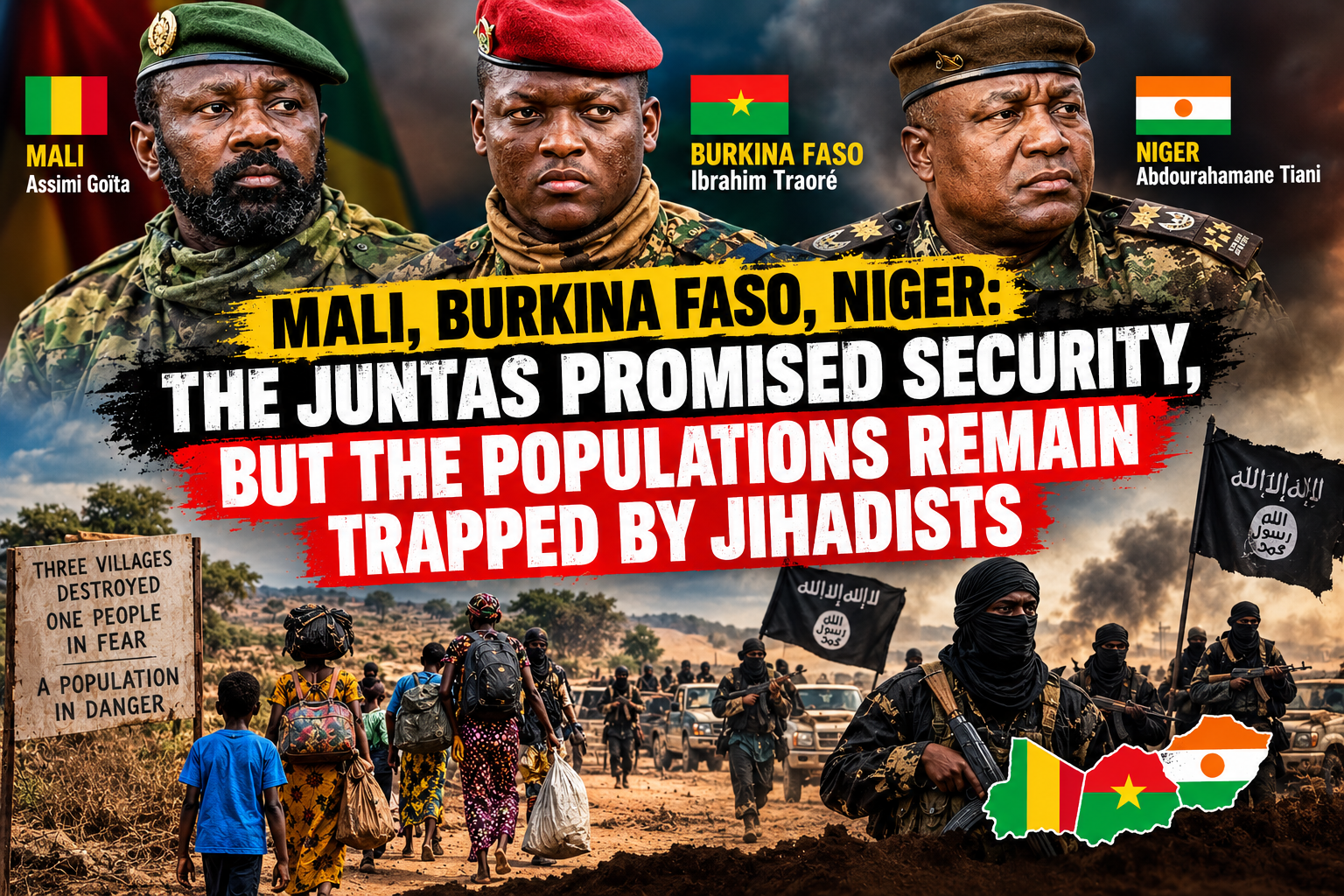
The food crisis reflects a broader security deterioration. Once confined to the central Sahel, violence now spreads toward West Africa’s coastal nations. Armed groups continue to expand their influence, triggering mass displacement and shutting down essential services. Nearly 12,900 schools have closed, depriving over 2.3 million children of education.
Humanitarian experts warn that the loss of schooling poses a long-term threat. An entire generation risks growing up without education in regions where economic prospects are bleak and armed groups often prey on vulnerable youth.
Climate change compounds the challenges
Political instability and insecurity are compounded by climate shocks. Since the start of the year, nearly 590,000 people have been affected by flooding, while droughts and desertification steadily shrink available resources.
The Sahel, one of the regions least responsible for climate change, bears some of its harshest consequences. The convergence of global crises has placed this region at the epicenter of a mounting humanitarian emergency.
In response, the United Nations is urging international donors to ramp up support urgently to prevent further deterioration. Solutions exist, but without increased funding, millions could face a dramatic worsening of living conditions in the coming months.