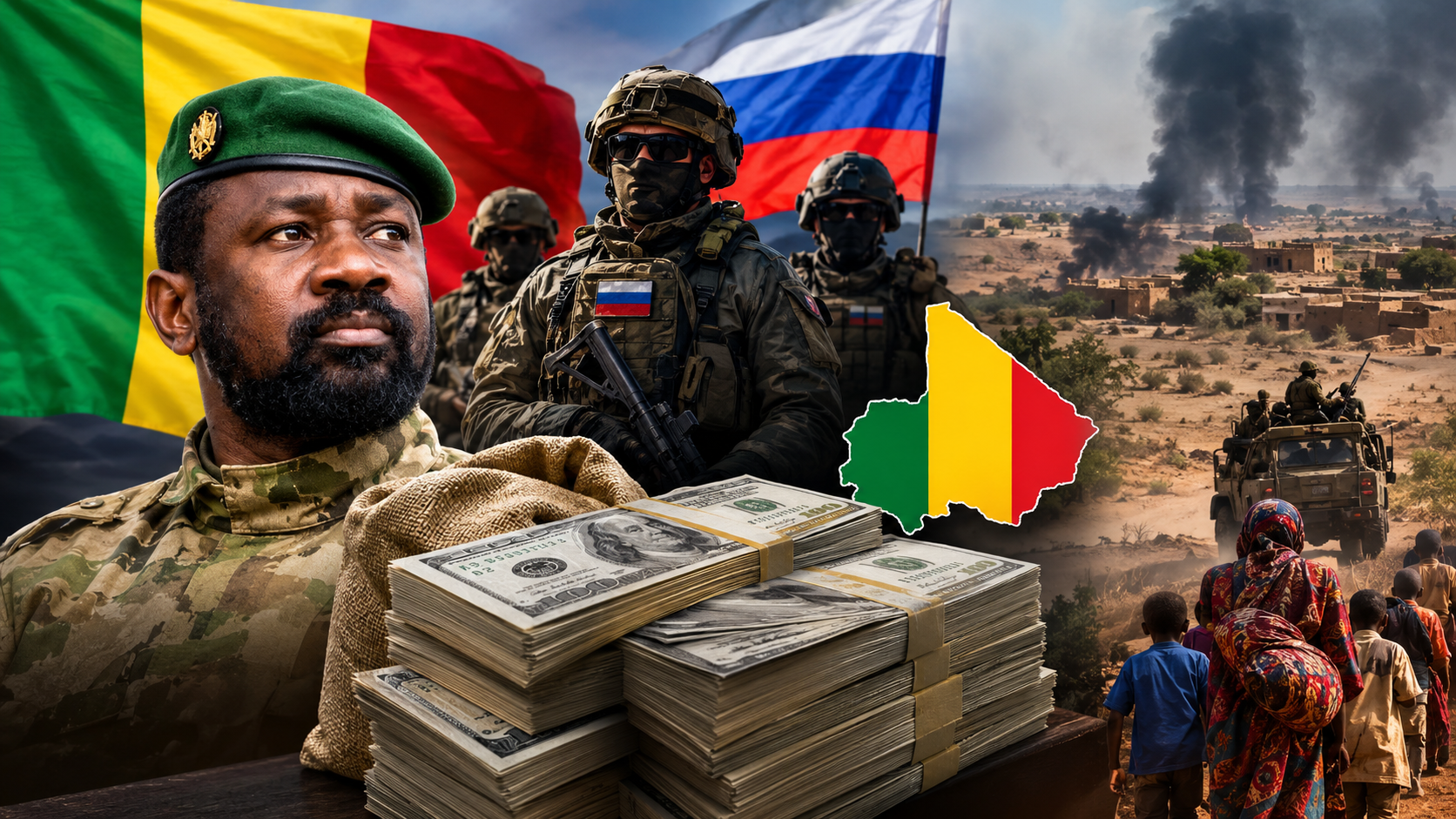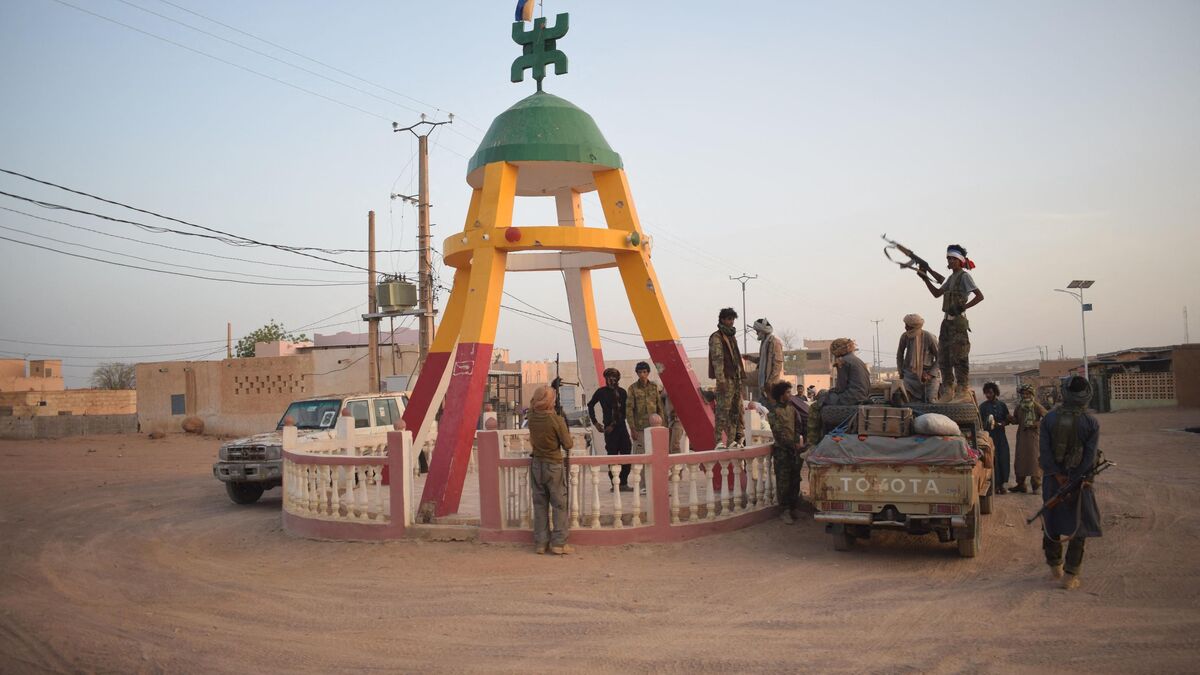
In a dramatic turn of events, Mali’s strategic stronghold of Kidal fell this past weekend to a coalition of jihadist factions and Touareg rebels, forcing the withdrawal of Africa Corps, the Kremlin-backed paramilitary force that had held the city under tight control for years. The retreat marks a rare setback for Moscow’s expanding military footprint in the Sahel, though Africa Corps remains a pivotal player in the region’s volatile security landscape.
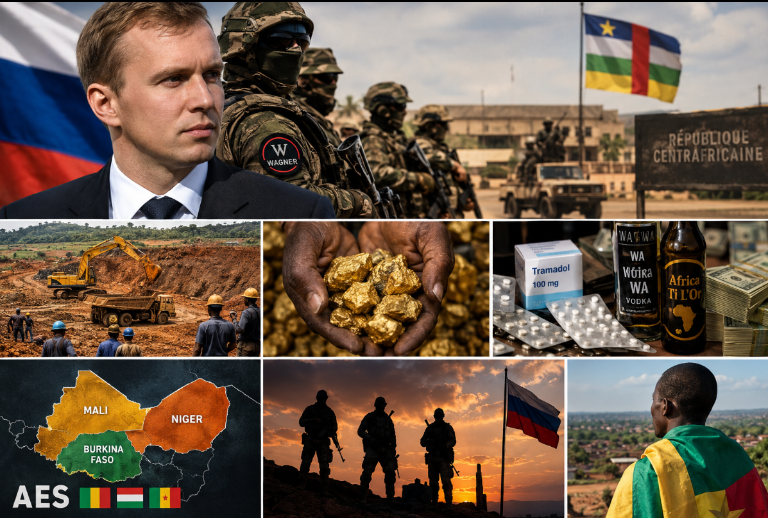
Africa Corps, often described as one of Russia’s most clandestine overseas military operations, emerged in late 2023 as a successor to the now-defunct Wagner Group. While Wagner’s legacy was marred by accusations of brutal tactics and war crimes, Africa Corps has sought to present itself as a more disciplined and state-aligned force, directly overseen by the Russian Ministry of Defense. This shift reflects Moscow’s strategy to institutionalize its African engagements under official channels, reducing reliance on rogue mercenary structures.
Roots and reorganization
The formation of Africa Corps was first hinted at in November 2023, when military blogger Deux Majors disclosed its creation on Telegram, citing statements from Igor Korotchenko, a former Russian colonel and Kremlin-aligned commentator. Korotchenko revealed that the new group was placed under the command of Younous-bek Evkourov, Russia’s Deputy Minister of Defense. This move followed the mysterious deaths of Wagner’s founders, Evgueni Prigojine and Dmitri Outkine, in a 2023 plane crash—a development that accelerated the Kremlin’s efforts to consolidate control over its African operations.
Unlike Wagner, which operated with significant autonomy, Africa Corps is designed to be more centralized and integrated into Russia’s broader military and geopolitical strategy. Its name is no coincidence: it draws inspiration from the Afrikakorps, the Nazi-era German expeditionary force that operated in North Africa during World War II. The choice underscores a deliberate attempt to project military might while echoing historical imperial ambitions.
Clear objectives and regional ambitions
From its inception, Africa Corps has articulated a bold agenda: to conduct large-scale military operations across Africa, helping allied governments break free from Western neocolonial influence, expel foreign military presence, and secure full sovereignty. According to Korotchenko, the group’s mission is to provide “comprehensive support” to partner regimes, including troop deployments, weapons systems, and strategic advisory roles—all in exchange for long-term political and economic concessions.
While Africa Corps has avoided the overt brutality associated with Wagner, it has not escaped international scrutiny. In 2024, the United Kingdom imposed sanctions on the group, accusing it of “systematic human rights abuses” and “exploiting natural resources” in multiple African nations. The accusations highlight the paradox of Russia’s approach: promoting itself as a champion of anti-colonialism while engaging in extractive practices that mirror Western exploitation.
Mali: a critical battleground
Mali remains the epicenter of Africa Corps’ operations in the Sahel. Since 2024, the group has deployed hundreds—possibly thousands—of fighters to bolster the Malian junta in Bamako. The loss of Kidal, however, demonstrates the fragility of Moscow’s position. Rebels, including jihadists and Touareg separatists, have capitalized on the vacuum left by Wagner’s dissolution and Africa Corps’ repositioning, posing a direct challenge to the junta’s control.
Russia’s involvement in Mali is not merely military. By propping up the current regime, Moscow seeks to counter Western influence—particularly France’s withdrawal following Operation Barkhane—and secure access to lucrative mineral resources. The Sahel’s gold deposits, uranium reserves, and strategic transit routes have become critical to Russia’s broader African strategy, which now extends from Libya and Sudan to the Central African Republic, Niger, and beyond.
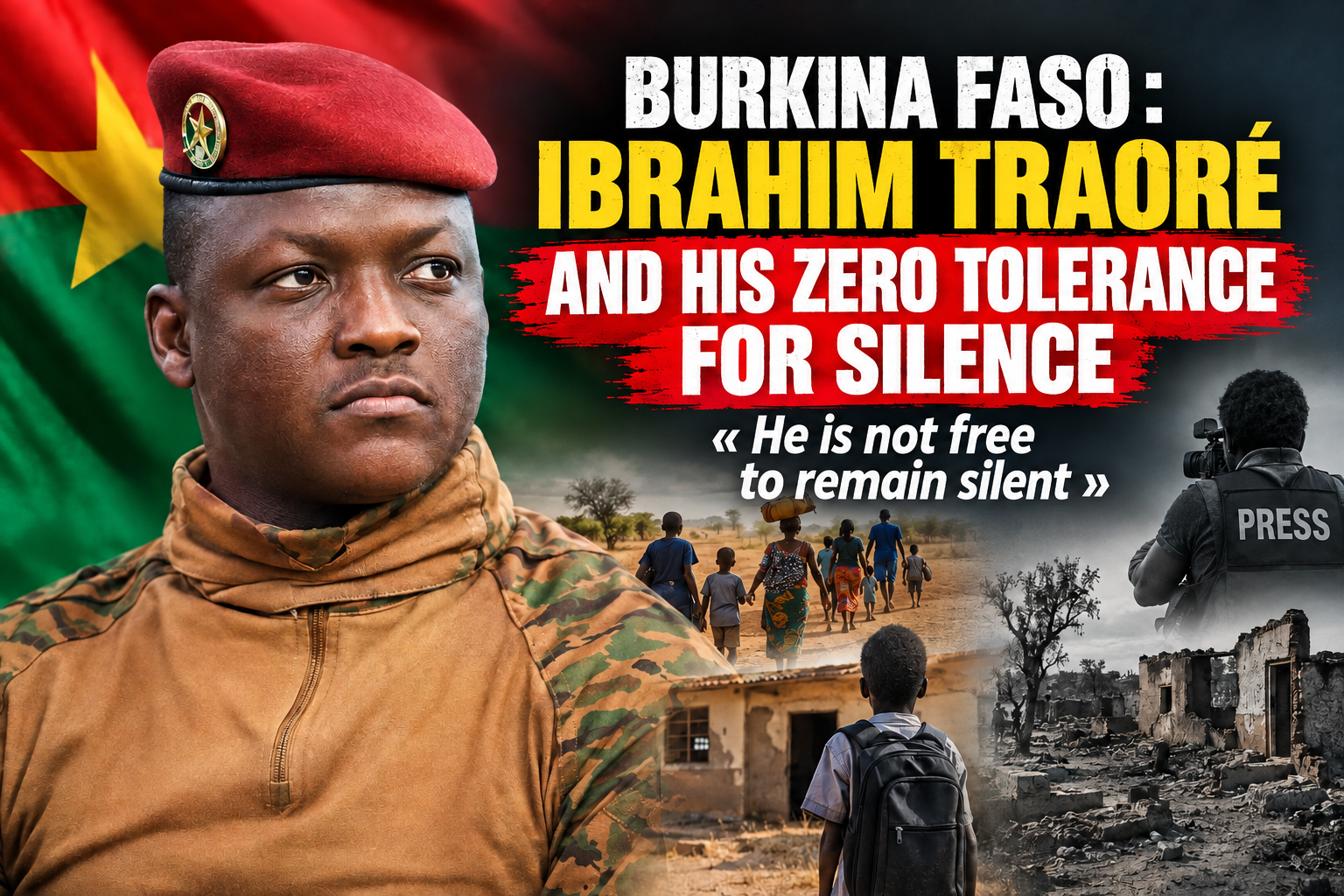
Africa Corps has also expanded into Burkina Faso, where it has reportedly trained local forces and provided logistical support amid escalating Islamist insurgencies. The group’s presence in these countries reinforces Russia’s narrative of being a reliable partner in Africa’s fight against terrorism—a narrative that resonates with authoritarian regimes seeking alternatives to Western partnerships.
Looking ahead: resilience amid challenges
Despite setbacks like the loss of Kidal, Africa Corps remains a formidable force in the Sahel. Its ability to adapt, integrate former Wagner operatives, and forge alliances with regional governments ensures its continued relevance. Yet, the group’s future hinges on several factors: the stability of its allied regimes, the intensity of rebel counteroffensives, and the Kremlin’s willingness to sustain its African engagements in the face of economic strain and international condemnation.
As the dust settles on the fall of Kidal, one thing is clear: Africa Corps is not merely a shadow of Wagner. It represents a new phase in Russia’s long-term strategy to reshape the power dynamics of the Sahel—and Africa at large.